REVIEW · COLOMBO
Colombo Social and Political Walk
Book on Viator →Operated by Planetwonk · Bookable on Viator
Politics gets real on these streets. This 2.5-hour Colombo walk turns headlines into lived context through interactive, documentary-style storytelling that moves from colonial-era echoes to current realities. I like that it’s information-heavy without feeling like a lecture, and I also like that the guide (Chami) brings crisp, practical explanations that make connections you might otherwise miss. One consideration: it’s not a casual stroll, so if you prefer light sightseeing only, this may feel like a lot of political and economic thinking packed into the evening.
You start near the Kingsbury area and end at BMICH, with stops that map the city’s power centers: Port City, Pettah, the Good Market, the Dilmah Tea Avenue building, the World Trade Center, Old Parliament, Independence Square, and BMICH. The focus is social and political history plus today’s situation, with a stated goal of staying balanced and letting you form your own view.
Because the theme is urgent (shortages of food, fuel, and electricity disrupting businesses and healthcare), the walk has a serious undertone. If the weather is poor, it can be rescheduled or refunded, so I’d watch the forecast for your chosen day.
In This Review
- Key highlights worth showing up for
- A Street-Level Timeline of Colombo’s Politics
- From Port City to Pettah: Trade, Power, and Daily Life
- Good Market and Tea Avenue: When Branding Meets the State
- World Trade Center to Old Parliament: Economics Meets Governance
- Independence Square and BMICH: Where Sri Lanka Holds a Mirror
- Timing, Pace, and What to Expect at 5:00 pm
- Price and value: What $35.99 buys you in Colombo
- Who this Colombo political walk is for (and who should skip it)
- Should you book this Colombo Social and Political Walk?
- FAQ
- How long is the Colombo Social and Political Walk?
- What time does the walk start, and where does it end?
- How much does the tour cost?
- Is this walk a guided experience, and who operates it?
- Where does the tour go during the walk?
- What kind of ticket will I receive?
- How big is the group?
- Is the tour suitable for most people?
- What happens if the weather is bad?
- What is the cancellation policy?
Key highlights worth showing up for
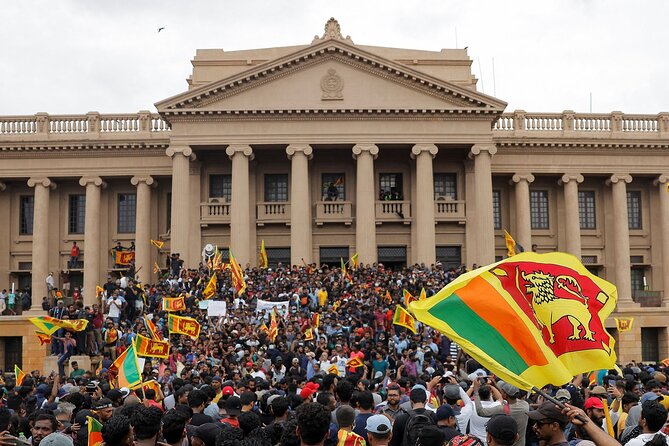
- Documentary-style storytelling that connects history to current events, not just stop-and-photo sightseeing
- Guide Chami brings strong background and clear explanations so you can follow the bigger story
- Colombo’s “real” layers, from Pettah markets to big institutions like Old Parliament and the World Trade Center
- A balanced framing, aimed at helping you form your own opinions instead of pushing one line
- A route that makes economics visible, tying trade, public life, and governance together
- Small groups (up to 25) that work well for questions during the walk
A Street-Level Timeline of Colombo’s Politics
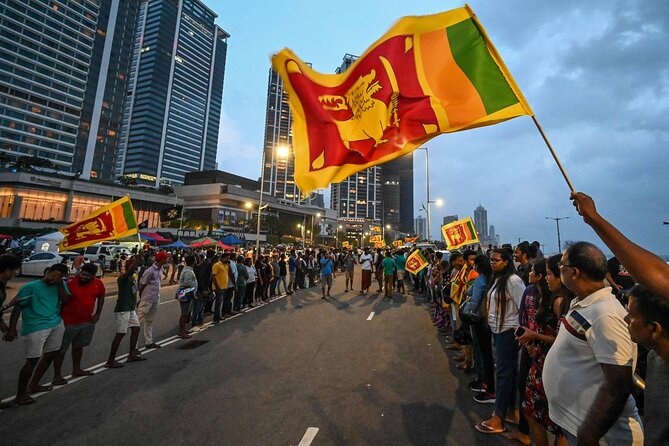
If Sri Lanka politics feels abstract from afar, this walk helps you pin it to street corners and building facades. The format matters: it is interactive storytelling with the feel of a documentary, built to flow site-to-site while you absorb the why behind the what. You’re not just watching landmarks; you’re learning how power, economics, and everyday life can pull in the same direction.
What makes this especially relevant right now is the framing around crisis and disruption. The walk acknowledges shortages of essential supplies like food, fuel, and electricity, and how that ripples through businesses and healthcare services. That gives the political discussion weight. You start to see how national pressures can land in normal routines, even if your day plan includes markets and monuments.
I also like the promise of balance and non-bias. In practice, that means you can expect historical and current events to be presented as a set of causes and effects, so you can decide what you think as you go. That approach is a good fit if you travel to understand, not to collect slogans.
You can also read our reviews of more walking tours in Colombo
From Port City to Pettah: Trade, Power, and Daily Life
The route starts at the Kingsbury Colombo area and heads toward Colombo Port City. This is a good opener because it signals the city’s economic logic early. You get the sense that Colombo is not only a government capital; it’s also a trade and investment crossroads. In a walk about social and political change, that early link to commerce helps you understand why decisions and policies often show up first in the flow of goods and services.
From there, you move into Pettah market territory. Markets in Colombo are more than shopping stops. They’re living systems where prices, supply, and demand can change fast, and where social networks matter as much as the transactions. When a country faces shortages, the street-level effect can be obvious. Walking through this area during the storytelling portion is a practical way to connect macroeconomics to micro realities.
You’ll want to keep your senses open. Pettah-type streets can be busy and visually intense, and that’s part of why this stop works. The politics you hear about doesn’t float above the city; it lands on the ground you’re walking on.
Good Market and Tea Avenue: When Branding Meets the State
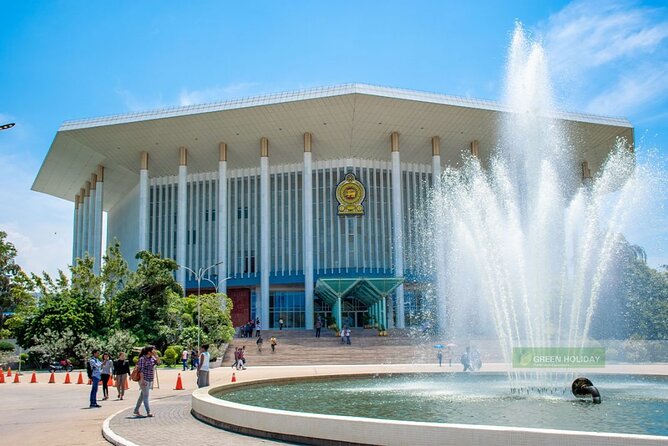
Next comes the Good Market stop, another place where everyday commerce becomes a clue. The point of including markets on a political route is that politics shows up in supply chains and in who gets access to what. You can think of these stops as the walk’s reality check: theory is fine, but prices, availability, and daily habits tell their own story.
Then the walk shifts to Tea Avenue and the Dilmah Building. This stop is useful if you want your political understanding to include the way Sri Lanka positions itself through major brands and global-facing business identity. Tea is not just a product; it’s also part of how a country imagines its place in the world, and that affects how people talk about employment, exports, and national economic direction.
In a tour like this, a corporate building can feel like a left turn if you came for pure street history. But that left turn is the point. It reminds you that governance and the economy are tied together, and that big commercial identities don’t exist in a vacuum.
World Trade Center to Old Parliament: Economics Meets Governance
At the World Trade Center, you shift closer to the formal spaces where economic narratives get shaped and displayed. This is one of those stops where you can start to connect the dots between international business pressures and domestic policy choices. If you’ve ever wondered why political debates keep coming back to trade, finance, and employment, this is where the walk starts making those threads feel logical.
Then you head to Old Parliament. This is the moment where the route turns from economic forces to governance mechanics. The buildings matter here, even if you’re not going inside. Their presence helps you frame the story of the modern state and how institutions have evolved over time. In other words, it’s easier to understand why people argue about legitimacy, representation, and the rules of power when you’re standing near the seats of those ideas.
I especially like how the walk is described as both historical and current. You’re not only hearing what happened long ago. You’re also hearing how earlier structures and decisions can echo into today’s constraints—exactly the kind of context that helps you avoid one-dimensional interpretations.
Independence Square and BMICH: Where Sri Lanka Holds a Mirror
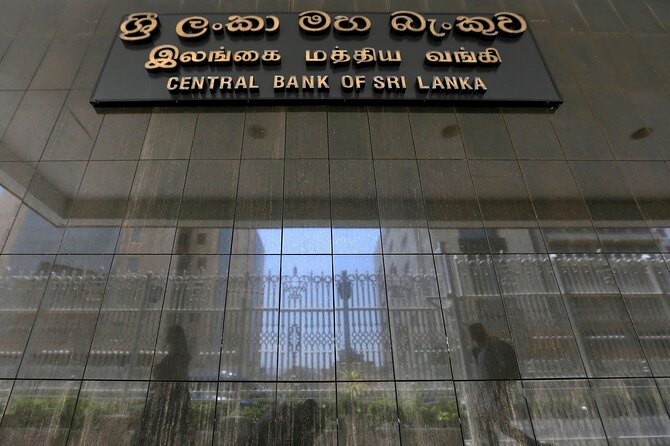
Independence Square is the emotional anchor for many visitors, and for a social and political walk, it’s an obvious stop. Independence-themed places tend to compress a lot of meaning into one visible space, and the storytelling here helps you understand what that symbolism costs, and what it tries to protect. This is where national identity becomes more than a phrase; it becomes a lived expectation people carry in their day-to-day lives.
After that, the walk ends at BMICH (Bandaranaike Memorial International Conference Hall). BMICH fits the theme because conference and public-event spaces often reflect how countries organize conversations—about policy, economy, and public life. Ending here gives you a sense of closure: you’ve moved through trade and markets, business identity, governance history, and the civic identity story. The last stop helps you leave with the big picture, not just a list of sites.
If your evening plans include dinner right after, plan to take a breath first. When you’ve just been absorbing politics and economics on foot, it helps to give yourself a little quiet time before you switch back to casual tourist mode.

Timing, Pace, and What to Expect at 5:00 pm
The walk starts at 5:00 pm and runs about 2 hours 30 minutes. That timing is practical in Colombo because it can let you avoid the harshest late-day sun, and it lines up well with how the city’s life changes through the evening. Still, this is not a stop-and-chat coffee tour. It’s designed to cover multiple sites and keep the information moving.
The group size is capped at 25 travelers, which is a sweet spot for a walk like this. You’ll likely have enough attention to ask questions, but you won’t feel swallowed by a huge crowd.
Weather matters too. The experience requires good weather, and if it’s canceled for poor conditions, you’ll be offered another date or a full refund. Even if the forecast looks fine, I’d pack for mixed conditions—some areas along market streets can get unpredictable with crowds, shade, and wind.
Price and value: What $35.99 buys you in Colombo
At $35.99 per person, this isn’t priced like a quick sightseeing add-on. You’re paying for a guided route that’s explicitly built as a documentary-style learning experience, linking political and economic context to specific locations across Colombo. For me, the value comes from the structure: the walk isn’t only moving your feet; it’s moving your understanding.
You also get a mobile ticket, which keeps things easy on the ground. And since confirmation is received at booking, you can plan without lingering uncertainty. If you’re the type who wants your travel to connect to real questions—why a country looks the way it does right now—this price starts to make sense because you’re getting interpretation, not just access to sights.
If you’re traveling with someone who prefers purely visual highlights, this may cost more than it’s worth. But if you’re going to put effort into learning, the cost feels more like a professional guided briefing delivered through walking.
Who this Colombo political walk is for (and who should skip it)
This walk suits people who genuinely want politics and economics explained in a way that sticks. If you like understanding how history becomes current headlines, and you’re curious about the social side too (not only the power side), you’ll likely enjoy the mix.
It’s also a good fit if you’re curious but worried about bias. The walk is set up as balanced and non-biased, with the explicit goal of helping you decide what you think. That matters because this subject is emotionally charged for many people.
One group that might struggle: anyone expecting a relaxed, low-effort evening. The format is information-heavy, and it’s built around answering surprising questions. That’s rewarding, but it’s not the same as winding through photo stops.
Should you book this Colombo Social and Political Walk?
Book it if you want your Colombo visit to make sense beyond landmarks. The best reason is the pairing of sites that normally sit in different travel boxes—markets, business icons, governance spaces, and national-symbol places—connected through a narrative about the modern state and today’s crisis conditions.
Skip it if you want a purely light sightseeing evening, or if you’re not ready for a lot of political and economic context in a short window. Also consider the weather requirement: if conditions look rough, you may need to adjust plans.
If you do book, I’d go in with one mindset: bring questions, not assumptions. This kind of walk works best when you let the city’s details challenge your first impressions.
FAQ
How long is the Colombo Social and Political Walk?
It runs for about 2 hours 30 minutes.
What time does the walk start, and where does it end?
The start time is 5:00 pm. The tour ends at BMICH (Bandaranaike Memorial International Conference Hall).
How much does the tour cost?
The price is $35.99 per person.
Is this walk a guided experience, and who operates it?
It’s offered by the experience provider Planetwonk.
Where does the tour go during the walk?
It includes stops at Colombo Port City, Pettah market, Good market, Tea Avenue (Dilmah Building), World Trade Center, Old Parliament, Independence Square, and BMICH.
What kind of ticket will I receive?
You’ll receive a mobile ticket.
How big is the group?
The tour has a maximum of 25 travelers.
Is the tour suitable for most people?
Most travelers can participate.
What happens if the weather is bad?
The experience requires good weather. If it’s canceled due to poor weather, you’ll be offered a different date or a full refund.
What is the cancellation policy?
You can cancel for free up to 24 hours before the experience start time for a full refund. Cancellation within 24 hours does not receive a refund.