REVIEW · COLOMBO
Explore Colombo by Tuk Tuk – All Entry Fees Included
Book on Viator →Operated by Travel with Lenin · Bookable on Viator
Four hours in a tuk-tuk shows Colombo fast. This private half-day ride is an efficient way to hit the city’s big-name temples, colonial-era landmarks, and the energy of Pettah, with an easy morning or afternoon departure and all the entry fees handled. You’re also kept comfortable with hotel pickup, snacks and bottled water, and a route designed for seeing a lot without doing the planning math yourself.
What I like most is how private means your driver can tailor the pace, and how the tour includes the costs that usually surprise you later. My second favorite part is the mix: calm temple stops like Gangaramaya and Sri Ponnambalam Vanesar Kovil, then you land in the middle of daily life at Pettah markets and the Fort rail area.
One consideration: the day packs in many stops in a short window, and it can feel time-pressured depending on traffic and how long you want to look around.
In This Review
- Key things I’d plan around
- Value and the real cost of seeing Colombo’s highlights
- Morning or afternoon: how to choose your best timing
- What the tuk-tuk format is really like
- Temple and monument highlights: from Gangaramaya to Independence Memorial Hall
- Pettah Market: the heart of Colombo’s everyday shopping
- Fort rail-area history: Old Town Hall, Manning Market, and big views
- Colombo Fort Railway Station and Wolvendaal Church (Wolvendaal Church / Christian Reformed Church)
- The small things that make the tour feel smoother
- Who this tour suits best (and who might want a different plan)
- Tips to get better photos and a better mood
- Should you book Explore Colombo by Tuk Tuk?
- FAQ
- What’s included in the $33 per person price?
- Is hotel pickup included?
- Do I need to choose a date, or can I pick morning vs afternoon?
- How long is the tour?
- What are the main stops on the route?
- Are entrance fees included for attractions and temples?
- What if the weather is bad or I need to cancel?
Key things I’d plan around
- All entrance fees included: you pay less at each stop and spend more time looking
- Two departure options: morning and afternoon make scheduling simpler
- Pettah market time is built in: enough duration to actually browse, not just pass through
- Fort and rail-area landmarks: Colombo Fort Railway Station plus nearby historic points
- Some stops are quick hits: a few are under 20 minutes, so bring your top priorities
- Snacks and water help on-the-go: useful in heat, especially during market time
Value and the real cost of seeing Colombo’s highlights
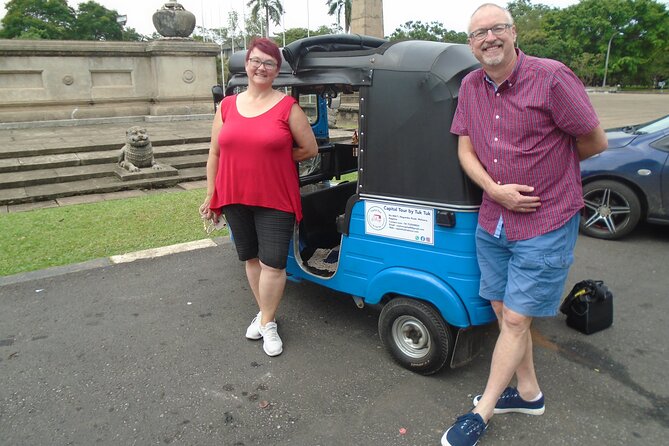
At $33 per person for about 4 hours 30 minutes, this tour lands in the category of practical value: you’re not just buying transport, you’re buying fewer hassles. The big win is that all fees and taxes are included, along with bottled water and snacks. In a city like Colombo, where you’ll often stop at multiple places back-to-back, entrance fees can add up quickly, and they’re the easiest part to forget when you’re comparing prices.
Also, this is a private tuk-tuk experience. That matters more than it sounds. With a group tour, you’re stuck moving at the pace of the slowest moment. With a private setup, you can spend extra minutes at one place and spend less at another—especially helpful when you’re doing temples one moment and markets the next.
One more value point: the tour includes pickup in Colombo. That saves time and energy—two things you need when you’re mixing car/tuk-tuk movement with short walking bursts at each stop.
You can also read our reviews of more tours and experiences in Colombo.
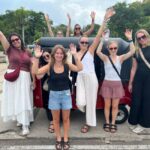

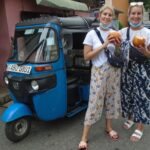
Morning or afternoon: how to choose your best timing
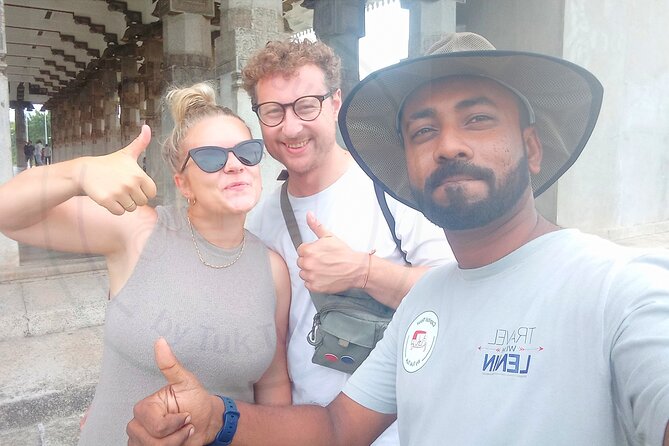
The tour offers morning and afternoon departures, and your choice can shape how the route feels.
If you pick the morning, you’ll often get cooler air and a better chance of clear views around outdoor points like Viharamahadevi Park and the lighthouse area. If you pick the afternoon, you may catch more street activity around Pettah later in the day, but you’ll want to pay attention to heat and how long you feel like browsing.
Here’s my practical rule: if Pettah markets are high on your list, choose the departure that matches when you prefer to shop and people-watch. If temples and photo stops are your main focus, go when the light feels best for you and you can handle the sun.
What the tuk-tuk format is really like
A tuk-tuk is not just a fun transport choice here—it’s how you see the city. Colombo’s highlights aren’t all far apart, but traffic can make longer trips annoying if you’re trying to hop between places on your own.
On this route, you’ll be moving from:
- heritage sites and religious landmarks
- a major neighborhood market zone
- Fort-adjacent stops and rail scenery
Between stops, you’ll get short ride segments that keep you from losing the day to transit. The tour also includes bottled water, which helps you stay comfortable even when the day runs warmer.
If you’re the kind of traveler who likes to linger, remember that the tour has a set rhythm. A few of the stops are listed at around 20 minutes, with others at roughly 10–15 minutes. You’ll still have time to look, but you should have a plan for what you want to notice at each place (signboards, carvings, views, market products, or architecture details).
Temple and monument highlights: from Gangaramaya to Independence Memorial Hall
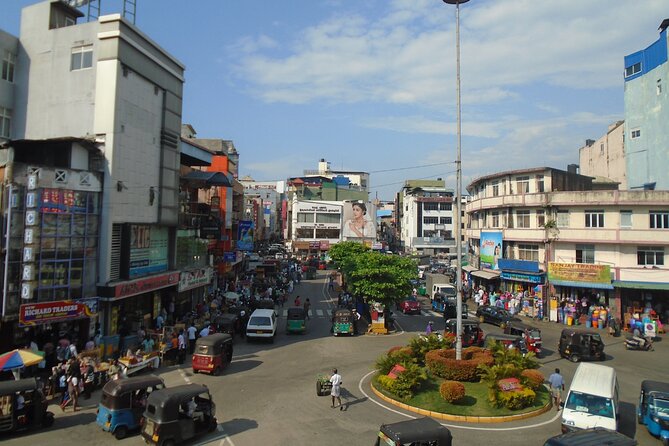
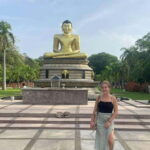
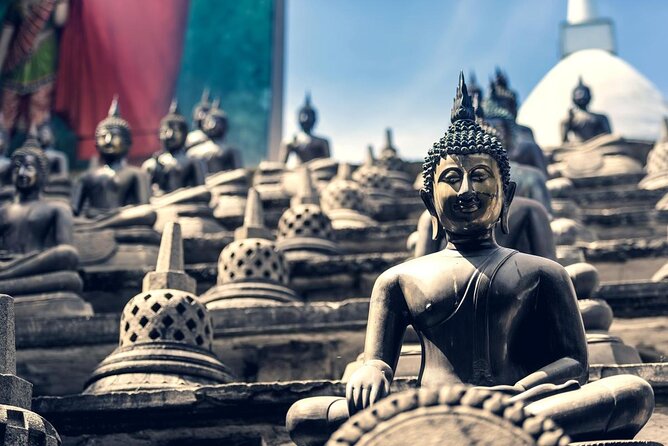
This is where the tour sets Colombo’s mood. The first major stop is Gangaramaya Temple, one of the older Buddhist temples in the city, begun in the late 19th century by the scholar monk Hikkaduwe Sri Sumangala Nayaka Thera. Even if you’re not a deep-study temple person, it’s a solid introduction because you can see how older religious places anchor daily city life.
Right after that, you’ll visit Sri Ponnambalam Vanesar Kovil (also tied to the Sri Ponnambalawaneswaram Temple name), built during British rule by Ponnambalam Mudaliyar. The temple’s story connects the religious site to a broader Sri Lankan historical thread—so you’ll see architecture, but also a reminder that this country’s identity and independence struggle run through everyday landmarks.
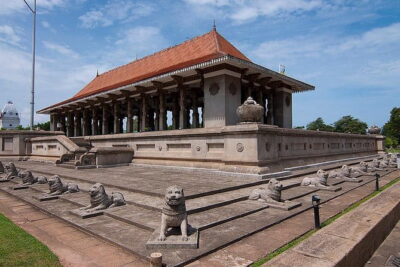
Then comes a more civic stop: Independence Memorial Hall, a national monument built to commemorate Sri Lanka’s independence from British rule and the restoration of full governing responsibility to a Ceylonese leader. It’s a short stop on paper, but it works well after temple visits because it shifts you from spiritual heritage to national memory without making you sit in traffic for long.
Practical note: temples can be a quick-change situation. Wear clothes that are comfortable for warm weather, but modest enough for religious spaces. If you’re carrying a scarf or light shawl, it can help you feel relaxed at multiple stops.
Pettah Market: the heart of Colombo’s everyday shopping
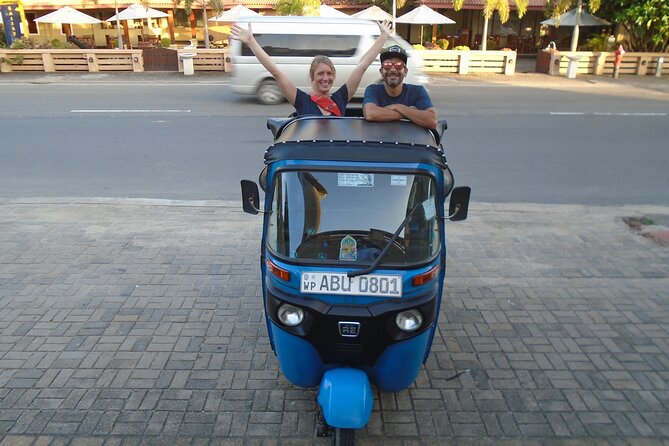
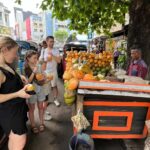
Most people come to Colombo and remember the markets. Here, Pettah is given real time—about 1 hour—so you can browse rather than just glance. Pettah sits east of the city center Fort area, and it’s known for a network of open-air bazaars and the energy that comes with local shopping.
During your Pettah stop, you’ll also have the option to visit the Red Mosque, formally known as Jami Ul-Alfar Masjid. It’s a striking contrast in color and design compared with the more traditional temple sites, and it’s one of the reasons this route feels like a true mix of Colombo rather than a single-theme circuit.
A special detail you’ll appreciate here: the route also includes time connected to a market area that was redeveloped starting around the year 2000 into a thriving floating market with almost 100 vendors. Even if you don’t spend ages there, having it on your route gives you a chance to spot how Colombo has blended older commercial habits with newer market life.
And if you love seeing food and produce culture, you should pay attention to Ceylon Tea Supermarket (admission listed as free). It’s only a short visit (about 20 minutes), but it lines up well with how Sri Lanka is known internationally for tea.
If you want to maximize Pettah, come with a small mission. For example: find one tea item, one local snack to try later, and one souvenir you actually want—not just what looks good in a photo.
Fort rail-area history: Old Town Hall, Manning Market, and big views
After Pettah, the tour shifts toward the Fort zone and nearby landmarks, which makes the architecture and streets feel different.
You’ll visit Old Town Hall, described as hidden behind hawker stalls inside the busy Pettah Market area. It was built in 1873 and associated with British architect J. G. Smither. This stop is only around 15 minutes, but it’s a good reminder that some colonial-era buildings survived not by becoming museum-clean, but by blending into daily commerce around them.
Then you’ll pass by or view President’s House at Janadhipathi Mawatha. The key value here is perspective: you’re seeing how modern Sri Lankan governance sits near much older layers of the city.
Next is Manning Market, about 15 minutes and focused on Sri Lanka’s fruit and veg wholesale side. I especially like this stop because it’s not just about looking at a building. It’s about seeing ingredients and how trade works at a scale you usually don’t get in smaller tourist areas. The market vibe also gives your eyes a break after temple details.
A couple of other Fort-edge points round it out:
- Kayman’s Gate, tied to the old Colombo Fort entrance area, with a historic bell tower still standing at the site
- Colombo Lighthouse, a short free stop near Galbokka Point on the waterfront along the port area (about 5 minutes)
If you’re sensitive to crowds, Pettah and market areas can get busy. But I found the combination of short durations at each site keeps things from becoming too overwhelming.
Colombo Fort Railway Station and Wolvendaal Church (Wolvendaal Church / Christian Reformed Church)
One of the most memorable parts of this route is the stop at Colombo Fort Railway Station, listed as about 15 minutes and served by Sri Lanka Railways. It’s a real rail hub with inter-city and commuter trains, so it’s not a staged tourist stop. You’ll see a piece of how the city actually moves.
After the station, you’ll head to Christian Reformed Church of Sri Lanka, also referred to here as Wolvendaal Church. This is described as a Dutch colonial-era building in Pettah, among the oldest Protestant churches still in use in the country. Like the other historic stops, it’s a place where details matter—lines, stonework, and the sense that the structure has been part of Colombo’s story for a long time.
The small things that make the tour feel smoother
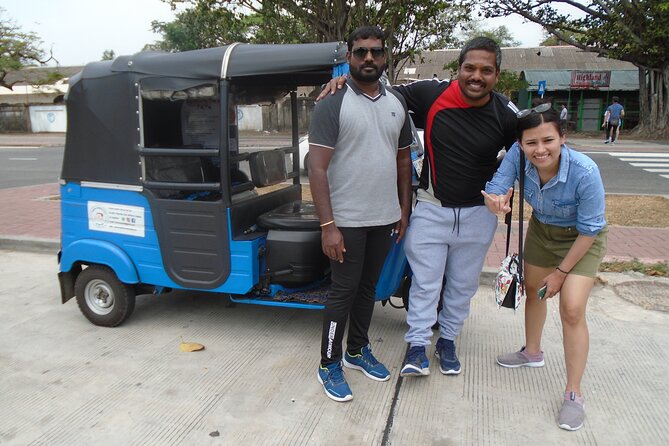
A few details in the experience design help it work as a half-day plan.
- Snacks and bottled water included: you won’t have to stop for purchases just to keep energy up.
- Mobile ticket: you can keep things simple on your phone.
- Most travelers can join: the day is generally approachable, and the route is short bursts rather than a marathon.
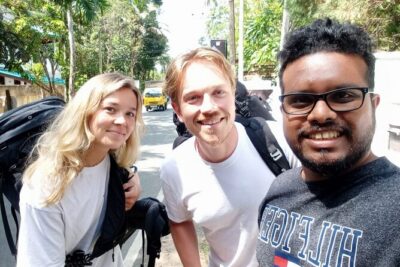
- Your guide can set the pace: one guide example included a friendly welcome with coconut juice, which makes the start feel personal right away.
The main practical advice from my side: treat this as a highlights sampler. If you love one stop more than the others, spend your extra time there and let the rest stay pleasantly brief.
Also, keep your expectations aligned with the structure. A few places are listed around 10–20 minutes. If you prefer slow travel, you might want to pick your top 3 stops before you start. Then, when you’re in the moment, you’ll know where to linger.
Who this tour suits best (and who might want a different plan)
I think this is an excellent choice for:
- first-timers who want a solid cross-section of Colombo in one half day
- travelers who dislike shopping for tickets and entrances mid-route
- families with kids who need frequent short breaks (market time can be fun, but it’s also a lot for small legs)
- people who want private transport without the stress of self-planning
You might choose something else if:
- you want long time inside fewer sites
- you expect zero schedule pressure and to spend 45+ minutes at every stop
- you dislike busy market zones (Pettah is a core part of the route)
Tips to get better photos and a better mood
- Wear modest clothes for temple stops, but choose light breathable fabric for Colombo warmth.
- Bring a small power bank or make sure your phone battery is ready for the mobile ticket.
- In Pettah, slow down and aim for one section at a time; it’s easier than trying to see everything in a loop.
- If you’re sensitive to rushing, tell your driver you want more time at Pettah or at one historic site. With a private tour, it’s easier to adjust.
Should you book Explore Colombo by Tuk Tuk?
Yes, if your goal is efficient, organized Colombo highlights without worrying about entry fees. The price makes sense specifically because it includes the stuff that usually adds friction: private tuk-tuk transport, hotel pickup, bottled water, snacks, and entrance fees across multiple stops.
I’d book it if you want temples plus markets plus Fort-era sights in one afternoon or morning, and you’re happy with short, well-paced visits. If you’re the type who likes to linger for ages in every location, consider booking a longer tour or choosing fewer priorities.
Bottom line: for a half-day window, this is a practical way to get your bearings fast and then come back later to the places you liked most.
FAQ
What’s included in the $33 per person price?
The tour price includes bottled water, snacks, private transportation, and all fees and taxes. Alcoholic beverages are not included.
Is hotel pickup included?
Yes. Convenient hotel pickup is offered within Colombo.
Do I need to choose a date, or can I pick morning vs afternoon?
You can choose between morning and afternoon departures, which makes it easier to fit into your schedule.
How long is the tour?
The duration is about 4 hours 30 minutes.
What are the main stops on the route?
You’ll visit highlights such as Gangaramaya Temple, Sri Ponnambalam Vanesar Kovil, Independence Memorial Hall, Pettah, Old Town Hall, Manning Market, Colombo Lighthouse, Colombo Fort Railway Station, and Wolvendaal Church, plus other nearby sights in the Fort/Pettah area.
Are entrance fees included for attractions and temples?
Yes. The tour includes all entrance fees (and a couple of stops are listed as free, like the tea stop and the lighthouse).
What if the weather is bad or I need to cancel?
The experience requires good weather. If it’s canceled due to poor weather, you’ll be offered a different date or a full refund. You can also cancel for a full refund up to 24 hours before the experience starts.