REVIEW · COLOMBO
08 Nights in Magical Sri Lanka
Book on Viator →Operated by Mahaweli Tours and Holidays · Bookable on Viator
Negombo to Galle in one trip sounds perfect. This “Magical Sri Lanka” route blends temples, safari time, and tea-country train views with simple logistics.
I especially like the private chauffeur-guide setup (one team from start to finish, and the guide stays in the same hotel). I also like that the trip builds in the scenic reserved-seat train rather than leaving you to figure it out on your own. One consideration: a bunch of the best stops have entrance fees not included, so you’ll want to budget for tickets along the way.
In This Review
- Key things I’d focus on before you book
- Sri Lanka in one smooth circuit: Negombo to Galle
- Colombo airport to Negombo: landing gently, not jet-lagging hard
- Negombo morning rituals: fish market, Dutch tunnel lagoon rides, and village life
- Sigiriya rock fortress and Pidurangala: the views feel worth the effort
- Minneriya National Park safari: elephants, 4WD time, and real nature
- Dambulla caves and spices: temple awe plus the practical Sri Lanka
- Kandy nights and cultural shows: Sacred Tooth Relic, market energy, and views
- Kandy relax time: botanical gardens, batik work, and Athur’s Seat at golden hour
- Tea country morning to Ella by reserved train: Damro, Ramboda, and the upcountry vibe
- Ella sunrise and the Nine Arches Bridge: waterfall breaks plus optional hikes
- Mirissa to Unawatuna to Galle: whales by season, beach time, and Dutch fort sunset
- Hikkaduwa turtles and a Colombo quick tour: finish strong before your flight
- Price and value for $690: what’s included, what costs extra
- Who this Sri Lanka loop fits best (and how to make it smoother)
- Should you book this Magical Sri Lanka route?
- FAQ
- How many days is the tour?
- Where does the tour start and where do you end?
- Is the scenic train ride included?
- Are breakfasts included?
- Are entrance tickets included for the attractions?
- Is airport pickup or drop-off included?
Key things I’d focus on before you book
- Private chauffeur-guide the whole way: one car, one guide, and a steady rhythm between regions
- Reserved seats on the scenic train: you get the route without last-minute stress
- Smart pacing for first-timers: early stops, but also long enough breaks to actually enjoy the views
- Iconic sights + everyday Sri Lanka: caves and forts, but also fish market mornings, village life, and local food areas
- Comfort support built in: air-conditioning, bottled water, free Wi-Fi, and hotel pools
Sri Lanka in one smooth circuit: Negombo to Galle
This tour is a classic Sri Lanka “greatest hits” route—just organized in a way that keeps you from constantly switching plans. You’re in an air-conditioned car with a chauffeur guide, and you’re not juggling public transport times. It’s private, so your group sets the pace, and the guide can handle timing when one stop runs ahead or you want a quick photo detour.
Hotels are 3-star+ with daily breakfast, plus free Wi-Fi and swimming pools. That matters more than it sounds. After a morning rock climb, you want a real place to cool down, shower, and reset before the next drive.
The best part for me is the balance: big sights (Sigiriya, cave temples, sacred sites) paired with smaller, hands-on moments (fish market energy, a spice garden, batik work, tea factory process). It’s not just checklists. It’s also how people live.
You can also read our reviews of more tours and experiences in Colombo.

Colombo airport to Negombo: landing gently, not jet-lagging hard
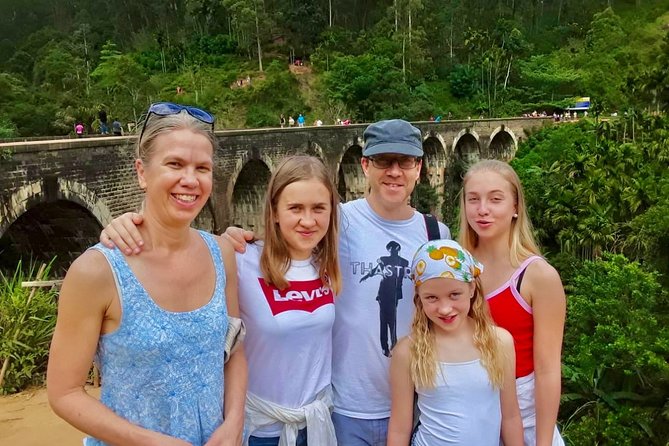
You start with an arrival transfer from Colombo airport to Negombo, which is the closest main city. That first move is smart. Instead of forcing a long crossing right after landing, you ease into Sri Lanka with a beach-side hotel location.
Negombo also gives you a built-in evening reset: the hotel is set up so you can relax on the beach without extra travel. This is the kind of “small” design that makes the whole trip feel less hectic.
If you arrive after a long flight, this is exactly what you want: straight to the room, quick walk, early sleep, then let Sri Lanka wake you up properly the next morning.
Negombo morning rituals: fish market, Dutch tunnel lagoon rides, and village life
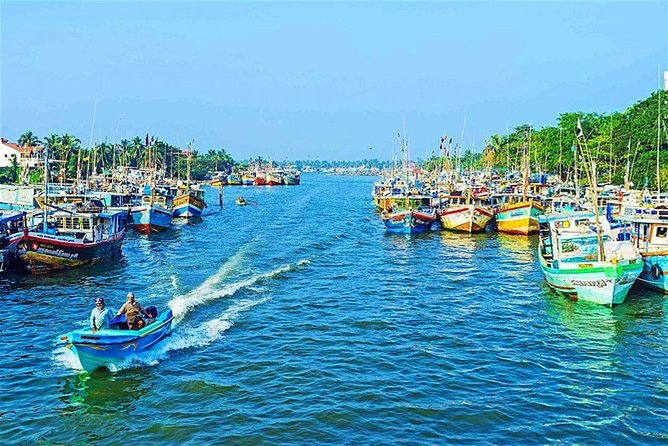
Negombo is famous for fishing, and you see why at the fish market. The action starts around 3:00 am and keeps going through the day. Even if you don’t make it for the earliest peak, going in the morning gives you a true working-city feel—boats, buyers, and the rhythm of the sea.
Then comes a totally different side of Negombo: the lagoon area with Dutch tunnel history. The tour includes a boat option on those tunnels to the Negombo lagoon (not included in the package price). It’s one of those experiences where you suddenly remember Sri Lanka’s layers of influence didn’t vanish—they became part of infrastructure.
Later, you step into traditional village life at Hiriwadunna, where you get a look at everyday activities and how food gets prepared. You’re not just watching from a distance. It’s the practical stuff: cooking, routine, and local how-things-work.
Sigiriya rock fortress and Pidurangala: the views feel worth the effort
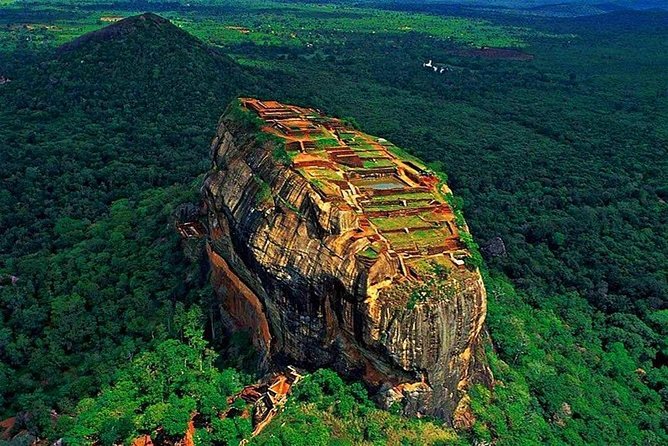
Sigiriya is the kind of stop that sets expectations. It’s often described as the 8th Wonder of the world, and the point isn’t only the fame—it’s the sheer presence. Plan for a hike up to the Ancient Rock Fortress, and if you’re choosing your timing carefully, you’ll want to follow the guide’s advice on the visit window (the tour encourages taking the best time into account).
Close by is Pidurangala Rock, another viewpoint with its own history and a strong pull for younger travelers who want dramatic panoramas without the same level of crowds you might expect at the main site. If you’re into photography, you’ll appreciate the extra angle on the landscape.
After the rocks, the tour offers a Pulathisi Arana Ayurvedic Centre visit for wellness and recovery. That’s a smart pairing. If you do Sigiriya first, your legs will appreciate a lighter day later.
Minneriya National Park safari: elephants, 4WD time, and real nature
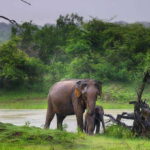
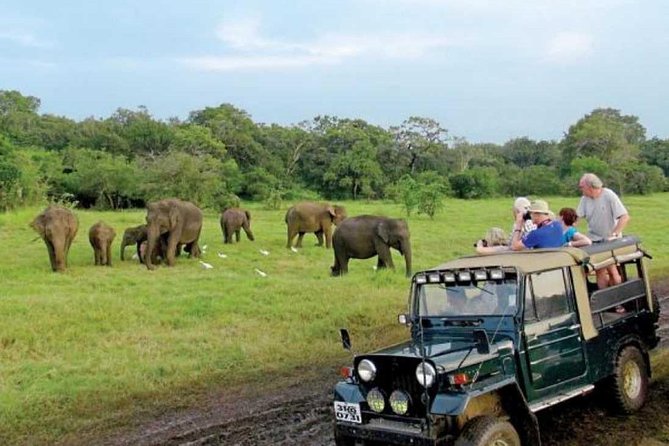
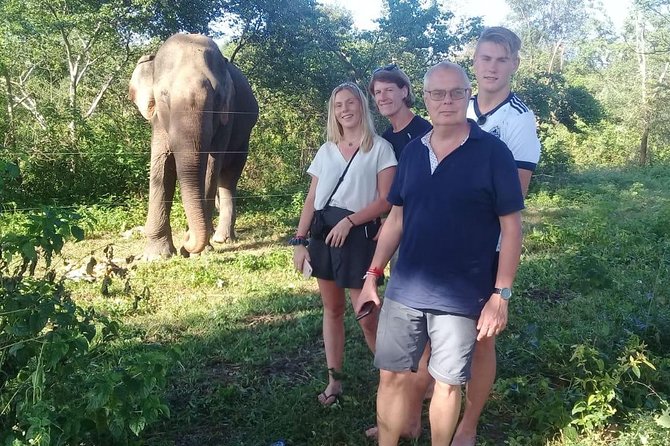
Sri Lanka’s elephant reputation isn’t marketing fluff. Here you head to Minneriya National Park for a wildlife experience. The tour notes that elephants are the main draw and that you’ll travel by separate 4WD for viewing in the park (admission not included).
This stop is where the itinerary shifts gears from ancient monuments to living wildlife. The key value is that it’s designed as a dedicated chunk of time, not a rushed drive-by.
One planning note: safaris depend on timing and conditions, so if you’re hoping for a perfect “action” scene, go with a mindset of patience. You’re seeing animals in their habitat, not in a zoo setting.


Dambulla caves and spices: temple awe plus the practical Sri Lanka
Your next stop brings Dambulla and two major sides of the region: a look at daily economic life and then the famous caves.
At the Dambulla Dedicated Economic Centre, you get a behind-the-scenes look at how farmers and traders interact—especially for vegetables and surrounding harvests. It’s brief, but it helps you understand what you’re eating later and how goods move locally.
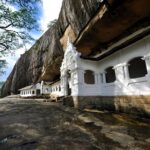
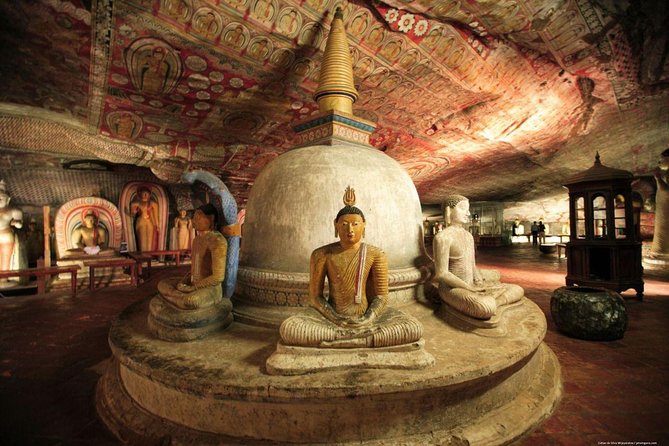
Then the star: Dambulla Cave Temple, described as one of the oldest cave temples and an iconic Buddhist site. This is a “slow down” stop. Even if you only stay the scheduled time, you’ll want a moment to take in the carvings and the religious atmosphere.
After that, you hit Ranweli Spice Garden. Sri Lanka is known for spices, and this is where you see plants tied to the flavors you’ll taste later. The practical win: you leave with more context than just smelling spices in a shop.
Kandy nights and cultural shows: Sacred Tooth Relic, market energy, and views
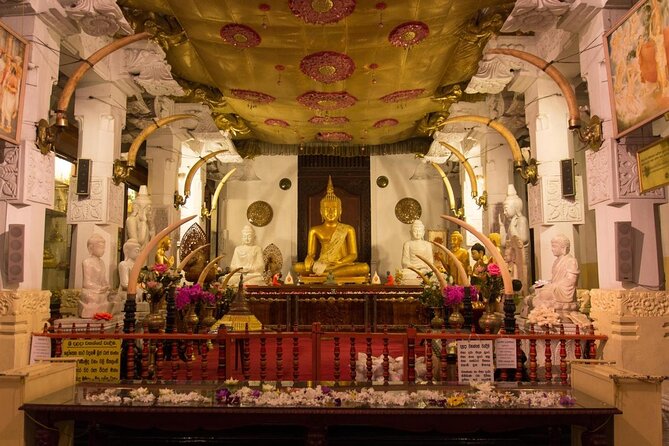
Kandy is where the trip turns more spiritual and more city-like. The tour includes the Temple of the Sacred Tooth Relic, a major Buddhist temple with a museum nearby. If you want the cultural context behind the sights, this is the anchor.
You also spend time at Udawattakele Lake—a forest reservation walk right within Kandy. It’s a nice contrast to the temple interiors: shaded green space where you can slow your pace between busy stops.
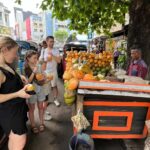
Kandy Market Hall is another high-value moment. It’s practical and sensory—fruits, vegetables, and street-food style browsing. This is a place where you can understand local life quickly, even on a short visit.
The itinerary also includes the Natural Gems and Gemmological Museum. Sri Lanka’s gemstone industry is a big source of income, and the visit is a direct look at the process and the world around gems like blue sapphire (admission not included).
If you’re into small but meaningful historical sites, don’t skip the Kandy War Cemetery stop. Even with limited time, it adds a different emotional tone to the day.
Kandy relax time: botanical gardens, batik work, and Athur’s Seat at golden hour
Kandy isn’t only temples. There’s time built in for breathing room.
The tour includes Royal Botanical Gardens, giving you a long stretch to sit, walk gently, and cool off. Then there’s Gunatilake Batiks, where you see a local craft industry in action. Batik work can look simple from far away, but this visit helps you appreciate the effort behind the patterns.
For a view of the city, you’re guided to Kandy View Point, also known as Athur’s seat. It’s especially great in evening light, and it’s close to spots where you can plan dinner afterward.
Finally, the tour places your hotel within walking distance of Kandy Lake. That matters. It turns an evening walk into an option, not a major activity. And in Kandy, a calm loop around the water helps your brain process the temples you just saw.
The quality of guiding shows up here too. In past experiences arranged by this provider, strong guide-driver teams were highlighted, including names like Harith with drivers such as Sanjay/Sanjit, praised for helpful tips and making the plan feel easy.
Tea country morning to Ella by reserved train: Damro, Ramboda, and the upcountry vibe
After Kandy, you head into the upcountry. First is Damro Labookellie Tea Centre and Tea Garden, including live tea plucking and a look at how tea is processed in the factory (admission not included). This is one of the most “real” parts of Sri Lanka tourism—because it connects the flavors you buy with actual hands-on work.
Next is Ramboda Waterfall. It’s short and easy, but it breaks up the day before the scenic rail section.
The tour also stops at Gregory Lake in Nuwara Eliya, plus Nanu Oya railway station for the train ride. Here’s the big logistical win: your seats are advanced booked with reserved reservations for the scenic train ride, and the train leaves at 12:40 pm. Then the vehicle waits for you at Ella railway station and transfers you to your hotel.
This is where you get that signature Sri Lanka look—hills, bridges, curves—without doing the stressful part yourself.
Ella sunrise and the Nine Arches Bridge: waterfall breaks plus optional hikes
Ella is a highlight zone, and the tour hits it from multiple angles.
You start with Little Adam’s Peak View Point. The itinerary notes you can go for sunrise if you leave the hotel around 5:30 am. If you’re not chasing sunrise, you can still go later for the viewpoint.
Then comes Nine Arches Bridge, one of Sri Lanka’s most photographed structures. Even if you’ve seen pictures, seeing it in person (especially with trains moving through) gives it scale.
You also visit Ravana Ella Falls and have the option of doing Ella Rock with a viewpoint hike. The way this is written matters: it’s not forced as a must-do. You choose based on energy and weather.
All day, you’re positioning yourself to transition from misty hill country to the southern coast—so Ella feels like a finale before beach time.
Mirissa to Unawatuna to Galle: whales by season, beach time, and Dutch fort sunset
From Ella you travel to Galle, where you check into a beach-area hotel. This part of the tour is about shifting pace: sea air, relaxed time, and history that you can actually enjoy slowly.
In Mirissa, you can go for whale watching at the sea (admission not included). The tour notes sightings depend on season, which is honest and useful. You’re not being promised miracles. You’re being offered the best chance based on timing.
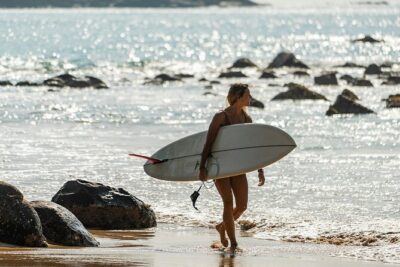
Then you have Unawatuna beach for a chunk of relaxation. Three hours at the beach sounds like a lot, but it’s exactly what you want after days of viewpoints and walking.
For history with a sunset payoff, you end up at the Galle Dutch Fort. You’ll spend time exploring around the fort area, and sunset is specifically mentioned as a great time to be there. This is one of those settings where wandering feels easy: shops, restaurants, and the fort walls doing their job.
Hikkaduwa turtles and a Colombo quick tour: finish strong before your flight
On the way out, you can stop at the Turtle Hatchery in Hikkaduwa. The best part here is flexibility. The visit can be adjusted based on your departure flight time, so you don’t end up rushing.
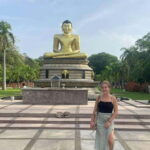
Then you head back to Colombo for a quick overview of major sights, including Gangarama Temple, Independence Square, Colombo Fort, the Red Mosque, and the Old Parliament complex. It’s not meant to be a deep-dive. It’s a way to get your bearings fast on your final day.
Finally, you’re dropped at Katunayake International Airport (Colombo Airport) or to your booked hotel. That keeps the end of the trip clean and low-stress.
Price and value for $690: what’s included, what costs extra
At $690 per person for an 8-night / 9-day package, the value comes from three things: private transport, hotel support, and at least one major ticketed component handled for you (the train).
What you get:
- Air-conditioned private vehicle with chauffeur guide
- Bottled water
- Accommodation in 3-star+ hotels with free Wi-Fi, air-conditioning, and swimming pools
- 8 breakfasts
- Scenic train tickets with reserved seats
What costs extra:
- Entrance tickets for many stops (the tour explicitly says they’re not included). Examples from the plan include places like the Sigiriya area ticketing, Minneriya safari, Dambulla cave temple, Royal Botanical Gardens, and whale watching and turtle hatchery.
So the real budgeting question is simple: are you comfortable paying for sites once you’re there? If yes, this price is easier to swallow because the heavy lifting is already handled. If you’d rather have every ticket bundled, you might find the add-ons start to feel noticeable.
One more value tip: the tour is often booked about 74 days in advance on average. That timing tends to help with the reservation parts (like the train seating).
Who this Sri Lanka loop fits best (and how to make it smoother)
This works best if you want:
- A first-time Sri Lanka overview that still includes a few “people life” moments
- A plan where you don’t have to coordinate drivers, tickets, and intercity travel
- Scenic variety: rock fortresses, cave temples, tea estates, train views, beaches, and a fort
It may not be the best fit if you want a slow travel style where you can linger for long hours in just one place. This itinerary moves through many regions, so you’ll be making decisions every day: what to do, what to skip, and when to rest.
Practical advice to get more out of it:
- Wear shoes you trust for rock steps and uneven paths, especially around Sigiriya and optional Ella Rock
- If you care about sunrise views, plan for the early departure around Little Adam’s Peak
- Assume you’ll need to pay some site fees and keep cash or card ready for them
- Use the hotel pool and morning comfort breaks. It’s not extra; it’s part of how you enjoy the next day
The human side is also worth noting. Names like Janaka and Harith come up in strong feedback for professionalism and calm problem-solving, including support that extends beyond just driving from place to place.
Should you book this Magical Sri Lanka route?
I’d book it if you want a structured tour that still feels human: one car, one guide, and a route that mixes headline sights with everyday Sri Lanka. The reserved-seat train plus beach-time in Galle and Unawatuna are the big “why this” reasons.
I’d pause if you’re trying to keep entrance fees to a strict budget, or if you hate early mornings and packed days. Since many ticketed stops are not included, your total cost can rise if you end up doing every paid activity.
If the idea of waking up early for the Negombo fish market, then later cheering yourself up with tea-country train views and a Galle sunset sounds like your kind of trip, this fits.
FAQ
How many days is the tour?
It’s listed as 9 days (about 8 nights).
Where does the tour start and where do you end?
It starts in Colombo with airport pickup/transfer to Negombo, and it ends with drop-off at Katunayake International Airport (or your booked hotel) back in the Colombo area.
Is the scenic train ride included?
Yes. Train tickets with reserved seats for the scenic train ride are included.
Are breakfasts included?
Yes. Breakfast is included for 8 days.
Are entrance tickets included for the attractions?
No. Entrance tickets to sites and attractions are not included, though some stops are free.
Is airport pickup or drop-off included?
Pickup is offered, and near the end you’re dropped at Katunayake International Airport (Colombo Airport) or your booked hotel.