REVIEW · COLOMBO
Colombo Walking Tour with Ajeet De Soyza
Book on Viator →Operated by Ceymondu Escapes · Bookable on Viator
Colombo on foot changes everything. This 3 to 4 hour small-group walk with Ajeet De Soyza turns Colombo’s colonial Fort, busy Pettah streets, and seafront scenes into one easy story, with snacks and bottled water included.
I like the way this tour gives you real street time, not just photo stops. I also like that Ajeet’s explanations connect old Sri Lanka to what you see today, so the buildings and neighborhoods make sense fast.
One thing to consider: if you prefer a brisk walk with minimal talking, this route can feel more like a guided history talk than a full-on power walk—especially on a warm day.
In This Review
- Key points worth knowing before you go
- Why walking Colombo beats the quick-drive version
- Meet Ajeet De Soyza, and why his style matters
- Price and value: what $30 really buys in Colombo
- The one extra payment to expect
- Galle Face Hotel: the smart place to start and end
- Fort Colombo: Dutch Hospital, the Clock Tower, and colonial power
- King Sri Wickrama Rajasinghe Prison Cell
- Dutch Hospital Shopping Precinct
- Colombo Fort Clock Tower
- Currency, retail history, and the Central Bank building
- Central Bank Currency Museum
- Cargills Department Store (Cargills & Millers Buildings)
- Grand Oriental Hotel and the “big city” face of Colombo
- Religious Colombo: the Red Mosque and Gangaramaya’s mixed influences
- Jami Ul-Alfar Mosque (the Red Mosque)
- Gangaramaya Buddhist Temple (with a donation ticket)
- Pettah Bazaar and Old Town Hall: where history meets real shopping
- Old Town Hall in the Pettah business quarter
- Pettah Bazaar
- Fort Railway Station and the seafront finale at Galle Face Green
- Colombo Fort Railway Station
- Ending at Galle Face Hotel and Galle Face Green
- Pacing, heat, and what to do if you feel the talk is too much
- Who should book this Colombo walk (and who might not love it)
- Should you book the Colombo Walking Tour with Ajeet De Soyza?
- FAQ
- How long is the Colombo walking tour?
- How many people are in the group?
- Where do we meet, and where does the tour end?
- What is included in the $30 price?
- Is there any admission fee during the tour?
- Do I need a printed ticket?
- Is bottled water provided during the walk?
- Who can join this tour?
- Will the tour run in bad weather?
- Is there free cancellation?
Key points worth knowing before you go
- Small group (max 8): more time for questions and fewer people blocking the view.
- Galle Face start and finish: you get oriented fast and end back where the city feels most alive.
- Ajeet De Soyza’s pacing: patient, question-friendly commentary that links past and present.
- Fort + Pettah in one outing: colonial-era landmarks mixed with market energy and everyday life.
- Most stops have no entry fee: you only need to plan for a small donation at the temple.
- Bring comfort items: water and snacks help, but good shoes matter on uneven sidewalks.
Why walking Colombo beats the quick-drive version
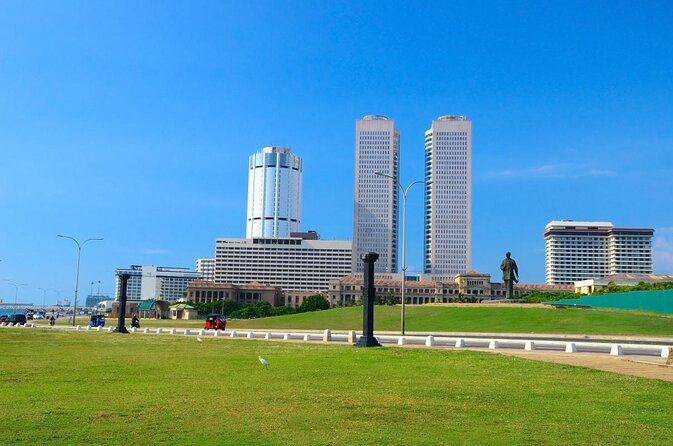
Colombo can look like a blur from a bus window. On foot, it slows down in the best way. You notice textures: peeling paint on older buildings, the way shopfronts spill onto sidewalks, and how neighborhoods shift from government-and-business corridors to marketplaces in a short distance.
This tour is set up for that kind of seeing. You start at the Galle Face Hotel area, where the city opens toward the sea, then you work inward through the Fort side of town and out toward the Pettah markets. Along the way, you’re not stuck behind glass, and you get time to ask questions instead of rushing from one landmark to the next.
The small group size also helps. With a max of 8 people, the walk stays human-sized. If you’re traveling solo or you like to stop and look twice, this format fits.
You can also read our reviews of more walking tours in Colombo
Meet Ajeet De Soyza, and why his style matters
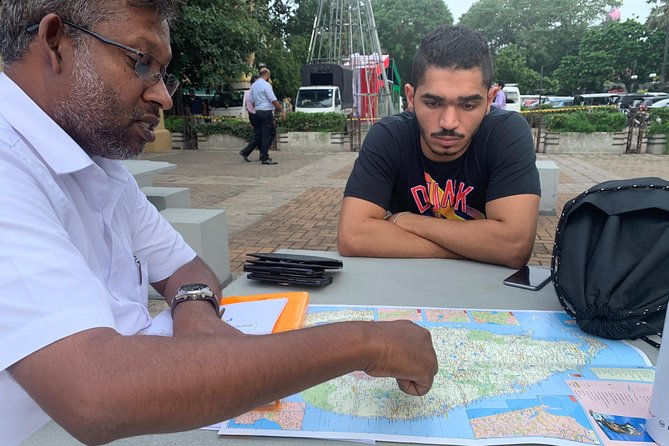
A walking tour lives or dies by the guide’s voice. Ajeet De Soyza’s approach is built around stories you can connect to what’s in front of you. You’ll be listening to more than dates. He tends to explain what power looked like under colonial rule, how religious communities shape city identity, and how modern Colombo functions today.
You’ll also appreciate the practical side. The tour includes private transportation, so you’re not stuck fighting long distances just to reach the next key site. And before you even meet, communication is described as clear and easy to follow, which matters when you’re trying to get your bearings in a new city.
If you’re the type who asks a lot of questions, this tour rewards that habit. If you want silent sightseeing, you may find yourself wondering when the talking will stop. The best move is simple: tell your guide what you enjoy most—architecture, religion, politics, or daily life—and you’ll steer the conversation.
Price and value: what $30 really buys in Colombo
At $30 for a 3 to 4 hour walking experience, the value comes from a few smart inclusions, plus the fact that many major stops don’t require entry fees.
Here’s what the price covers:
- Bottled water
- Snacks
- Government fees
- Private transportation
Most of the listed sights are free to view during the stops, which keeps your budget from ballooning while you’re walking between neighborhoods. The one cost to plan for is the temple donation fee.
The one extra payment to expect
At the main Buddhist temple stop, the admission is handled as a donation. You’ll be issued a ticket there, and the fee is listed as $2.00 per person.
So yes, it’s a bargain—but only if you’re okay paying that small extra when you reach the temple.
Galle Face Hotel: the smart place to start and end
You begin at the Galle Face Hotel on Galle Road, and the tour ends in front of Galle Face Green. That matters more than it sounds.
Galle Face gives you an immediate sense of Colombo’s layout. One side is the sea-facing promenade and open green space. The other side is the city’s institutions and older colonial-style buildings that shape the skyline. By the time you finish, you’ve already walked the layers of the city, so the final seafront view feels earned rather than random.
It’s also convenient for your day. If you’re staying nearby, this start/end point makes it easy to go for lunch or regroup without complicated transfers.

Fort Colombo: Dutch Hospital, the Clock Tower, and colonial power
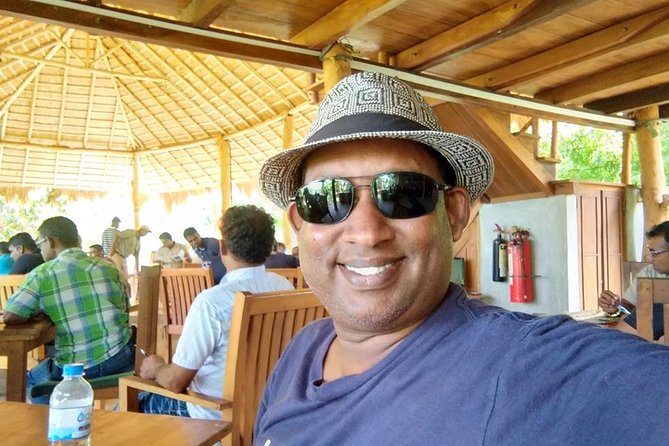
The Fort area is where Colombo shows you its “old administration” face. You’ll move through streets that are packed with colonial-era architecture, and the stops are chosen to show different kinds of influence—Dutch, British, and beyond.
King Sri Wickrama Rajasinghe Prison Cell
One of the first stops centers on the last King of Sri Lanka, Sri Wickrama Rajasingha. He was captured on 18 February 1815 in Madamahanuwara, then transferred to Colombo without entering Kandy. He and his escort later entered Colombo on 6 March 1815.
This isn’t just a trivia moment. It sets the historical tone for everything else you’ll see: Colombo wasn’t only a trading port. It was a place where control was exercised, and where major political events played out.
Dutch Hospital Shopping Precinct
Next you’ll look at the Dutch Hospital area, described as the oldest building in the Colombo Fort region, dating to the Dutch colonial era. Today it’s a heritage building used for shopping and dining.
I like this stop because it shows a pattern common in the city: older structures get repurposed instead of erased. You get to see how history survives by turning into something people use every day.
Colombo Fort Clock Tower
Then you’ll pass the Fort Clock Tower. The tour frames it as a unique city structure, set in the center of the central business district with colonial architecture all around.
It’s a good “orientation” stop. You get your bearings on what the Fort area feels like in real life: offices, shops, and the scale of streets built for the movement of people and goods.
Currency, retail history, and the Central Bank building
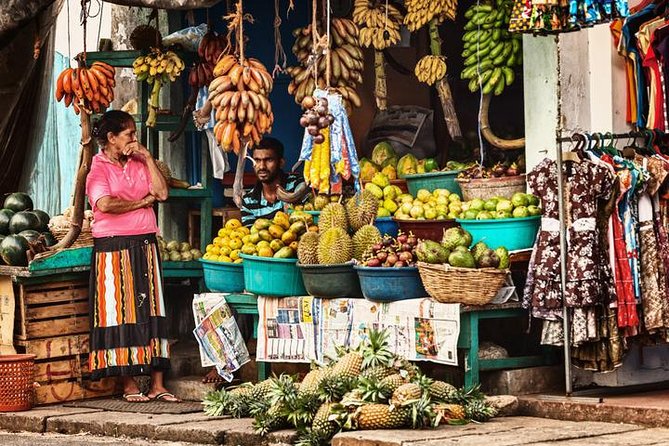
After the Fort landmarks, you head into the “institutional Colombo” zone—where buildings signal money, trade, and administration.
Central Bank Currency Museum
You’ll stop at the Central Bank Currency Museum building. Construction began in 1911, with the foundation stone laid then, and at opening it was described as the tallest building in Colombo. The style is Greco-Roman, including a colonnade with Corinthian columns.
Even if you’re not a museum person, the value here is visual. You’re seeing a style meant to project authority—then you’re walking through a neighborhood where that authority evolved into modern finance.
Cargills Department Store (Cargills & Millers Buildings)
You also pass the Cargills Department Store building. It’s described as one of the oldest department store buildings in Sri Lanka, and it has Dutch building roots on the same land.
This stop works best if you like how trade leaves physical traces. Department stores aren’t just shopping—they tell you that Colombo has long been tied to imported goods, urban consumer culture, and the rhythm of commerce.
Grand Oriental Hotel and the “big city” face of Colombo
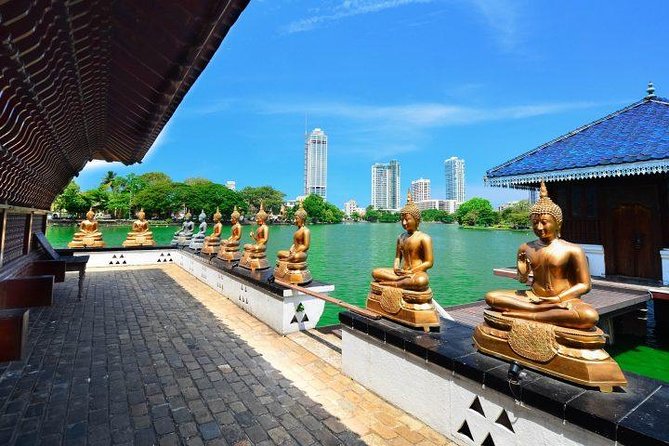
You’ll spend time around the Grand Oriental Hotel, a landmark with serious history. It was officially opened on 5 November 1875, with 154 luxury and semi-luxury rooms, and it’s described as the first of the modern type of imposing hotels erected in the East.
Even if you never step inside, the stop matters because hotels like this helped shape how visitors and colonial-era officials experienced the city. They weren’t only places to sleep. They were social hubs, status symbols, and a window into what Colombo wanted to appear like.
It’s also a reminder that Colombo’s story isn’t only temples and markets. It’s ports, institutions, visitors, and the infrastructure that supported them.
Religious Colombo: the Red Mosque and Gangaramaya’s mixed influences
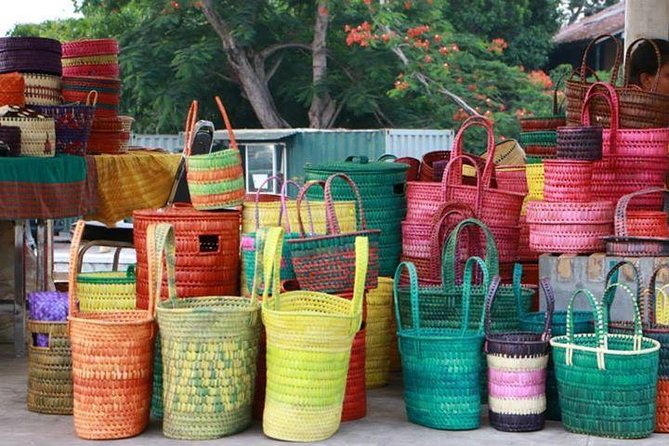
Colombo is a religious city, and the tour doesn’t treat religion as an optional add-on.
Jami Ul-Alfar Mosque (the Red Mosque)
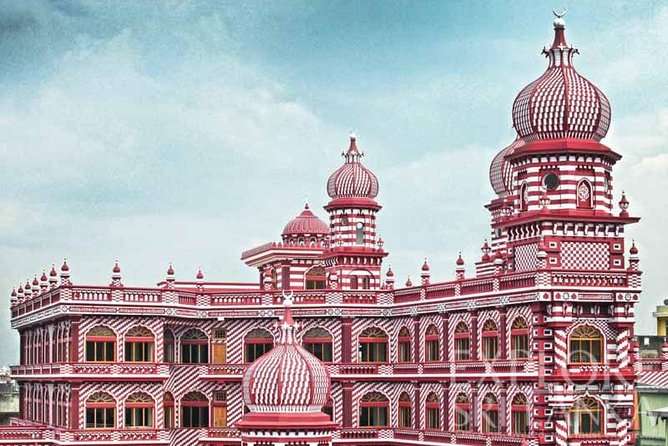
You’ll visit Jami Ul-Alfar Mosque, popularly known as the Red Mosque. The tour notes it as a unique masterpiece. Even from the outside, you’ll notice how identity and design work together—color, structure, and the sense of devotion visible in how the space is used.
This stop gives you a broader view of Colombo’s identity beyond any single cultural lane.
Gangaramaya Buddhist Temple (with a donation ticket)
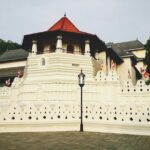
Later, you’ll reach Gangaramaya (Vihara) Buddhist Temple, described as the main temple in Colombo with unique architecture influenced by many cultures. This is also where you should budget the $2.00 donation for the temple ticket.
My practical advice: plan for the temple as a respectful stop, not a quick photo sprint. Move carefully, watch how people behave in and around the space, and give yourself a few minutes to simply look.
Pettah Bazaar and Old Town Hall: where history meets real shopping
If Fort is the “official” side of Colombo, Pettah is the “you are here now” side.
Old Town Hall in the Pettah business quarter
You’ll pause at the Old Town Hall, described as one of the lesser-known historic monuments. It’s a large gothic, church-like mansion in the old business quarter of Pettah.
What I like about this kind of stop is that it rewards curiosity. You’re not only seeing the obvious big sites. You’re spotting the kind of building that locals probably pass every day without thinking too hard about the past behind it.
Pettah Bazaar
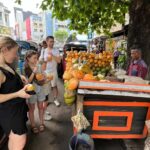
The tour then has time to explore the busy markets of Pettah Bazaar. This is where the city’s energy turns into sensory detail: street-level activity, shops packed close together, and a constant flow of daily life.
This is also the part where your pace matters. If you move too fast, you’ll miss the little things that make markets interesting—how people choose items, how stalls are set up, and how the streets function as a shared space.
Fort Railway Station and the seafront finale at Galle Face Green
Two final stops help you connect Colombo’s movement systems—past to present.
Colombo Fort Railway Station
You’ll visit the Fort Railway Station, built by the British and described as the major hub in Colombo city. Railway stations are always more than transit. They’re where schedules shape the day, where goods move, and where the city’s connections feel real.
In Colombo, that British-era infrastructure links back to the port city story: a place designed to route people and trade.
Ending at Galle Face Hotel and Galle Face Green
Then you end back at Galle Face Green. The tour route includes a look at what’s happening on the green depending on the time of day, plus a glimpse into the past through nearby iconic buildings like the Old Parliament and the Galle Face Hotel.
This is a smart closer. After temples, markets, and colonial structures, the open green space gives your brain a breather—and it also shows how Colombo enjoys public life in the open air.
Pacing, heat, and what to do if you feel the talk is too much
Colombo can be warm, and walking in the Fort-to-Pettah-to-seafront pattern means you’re out in the city for hours. A couple of practical points keep the experience enjoyable:
- Wear comfortable shoes. Sidewalks aren’t always flat.
- Use the provided water and snacks, then consider bringing a little extra if you get thirsty fast.
- If you start feeling overloaded by facts, steer the guide. Ask one question about what you just saw, then let that guide’s explanation guide the next few minutes.
There’s also a style consideration. Some people prefer a faster walk with fewer stops for long explanations. If you’re in that camp, tell the guide you want more time looking and less time lecturing. A good guide can often balance depth with your speed.
Who should book this Colombo walk (and who might not love it)
This tour is a great match if you want:
- A beginner-friendly way to understand Colombo’s major neighborhoods in one go
- Real context for colonial architecture, religion, and daily life
- A guided route that ends at a place you can continue your day easily, like Galle Face Green
- A small group with space for questions
It’s also a strong option if you’re short on time, like arriving by cruise and needing a practical orientation walk. Starting at Galle Face keeps things efficient.
You might think twice if you:
- Hate guided commentary and want silent walking
- Prefer only modern neighborhoods with no colonial context
- Struggle with walking for a steady 3 to 4 hours in heat
Should you book the Colombo Walking Tour with Ajeet De Soyza?
Book it if you want the city to make sense. For $30, you get snacks, water, lots of major sights, and an itinerary that connects Fort landmarks to Pettah street life and ends at the seafront. The stop selection does a good job showing how Colombo’s layers sit on top of each other.
Don’t book it if you want a quick checklist. This tour leans into explanation—sometimes a lot—so come ready to listen, or ask fewer photos and more questions.
FAQ
How long is the Colombo walking tour?
The tour runs about 3 to 4 hours.
How many people are in the group?
It’s a small group with a maximum of 8 travelers.
Where do we meet, and where does the tour end?
You start at the Galle Face Hotel (2 Galle Rd, Colombo 00300, Sri Lanka) and end at the same hotel, in front of Galle Face Green.
What is included in the $30 price?
The price includes bottled water, snacks, government fees, and private transportation.
Is there any admission fee during the tour?
Many stops are listed with admission free access. One temple stop has a donation ticket required, listed as $2.00 per person.
Do I need a printed ticket?
No. The tour uses a mobile ticket.
Is bottled water provided during the walk?
Yes, bottled water is included.
Who can join this tour?
The tour indicates that most travelers can participate.
Will the tour run in bad weather?
The experience requires good weather. If it’s canceled due to poor weather, you’ll be offered a different date or a full refund.
Is there free cancellation?
Yes. You can cancel for a full refund up to 24 hours in advance of the experience start time.