REVIEW · COLOMBO
Udawalawe National Park: Elephant Safari with Expert Guide
Book on GetYourGuide →Operated by Udawalawe Wild Safari Tours · Bookable on GetYourGuide
Udawalawe delivers elephant sightings fast. This safari is built around wild herds roaming open grasslands and water edges, plus a guide who knows where to look and how to keep space for the animals. I love the way the best jeeps slow down and keep distance near sightings, and I also love the mix of targets beyond elephants, like crocodiles and Sri Lankan junglefowl. One drawback to plan for: Udawalawe is big, so you may wait 10–15 minutes between animal moments.
This is also one of the few places where a single trip can feel like a mini wildlife survey. A great guide can make a huge difference—Gimhana, Jana, Lasindu, Udith, Jayashan, Gayan, and Deneth all show up in real-life trips with the same theme: calm driving, careful spotting, and lots of time for photos.
In This Review
- Key things I’d circle before you go
- Udawalawe National Park: why the elephants are the main event
- Price and what you should budget: tour cost plus park entry
- Your safari setup: private 4×4 Jeep and a guide who handles the animal physics
- What a 4–10 hour Udawalawe safari feels like in real time
- The start: pickup and getting into the park early
- During the drive: open grasslands, water edges, and quick repositioning
- If you choose the 10-hour option: longer time on wildlife and included food
- Elephants plus the rest of Udawalawe’s cast: crocodiles, deer, jackals, and birds
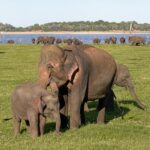
- Elephants: herds, calves, and close-but-natural viewing
- Crocodiles and water buffalo: wildlife tied to the wet zones
- Jackals and other small predators
- Sambar deer, wild boar, and reptiles
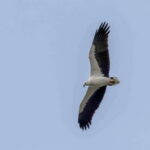
- Birds: endemic Sri Lankan junglefowl is a real target
- Photo and timing tips that actually help in Udawalawe
- Comfort, rules, and who this safari works best for
- Getting around
- What’s not allowed
- Who will enjoy this most
- Rain, mornings, and afternoon rides: choosing the time that matches your priorities
- Should you book the Udawalawe Elephant Safari with an expert guide?
- FAQ
- Where does the safari pickup and drop-off happen?
- How long is the Udawalawe elephant safari?
- Is the Udawalawe National Park entry fee included?
- What’s included in the tour price?
- Is this safari private?
- What language will the guide speak?
- Are drones allowed on this safari?
- Is alcohol allowed during the safari?
- Is the tour refundable if my plans change?
Key things I’d circle before you go
- Prime elephant chances in an open park with herds that move freely across different habitats.
- Respectful driving and space for animals, often including engine-off moments when close by.
- More than elephants: crocodiles, sambar deer, jackals, and other wildlife show up here often.
- Birding with endemics in mind like Sri Lankan junglefowl and spurfowl.
- Private 4×4 comfort for your timing in a 4–10 hour half-day window.
- Guides who customize on the fly to what you want to see and what they find that day.
Udawalawe National Park: why the elephants are the main event
Udawalawe National Park sits in Sri Lanka’s Eastern Province area, on the border of Sabaragamuwa and Uva Provinces. It covers 308 square kilometers, and it was set up to protect the watershed of the Udawalawe Reservoir. That matters, because the park’s mix of grasslands, forests, and wetlands creates exactly the kind of feeding and water routine elephants rely on.
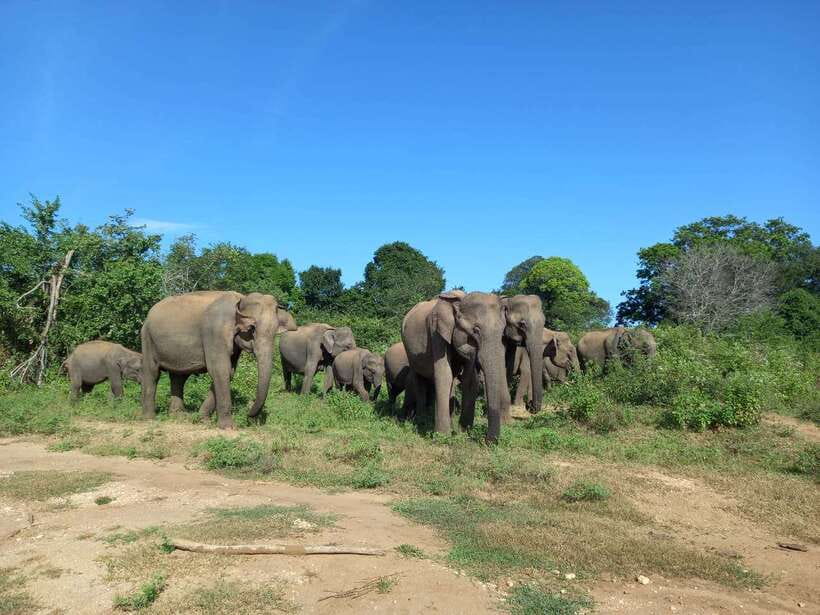
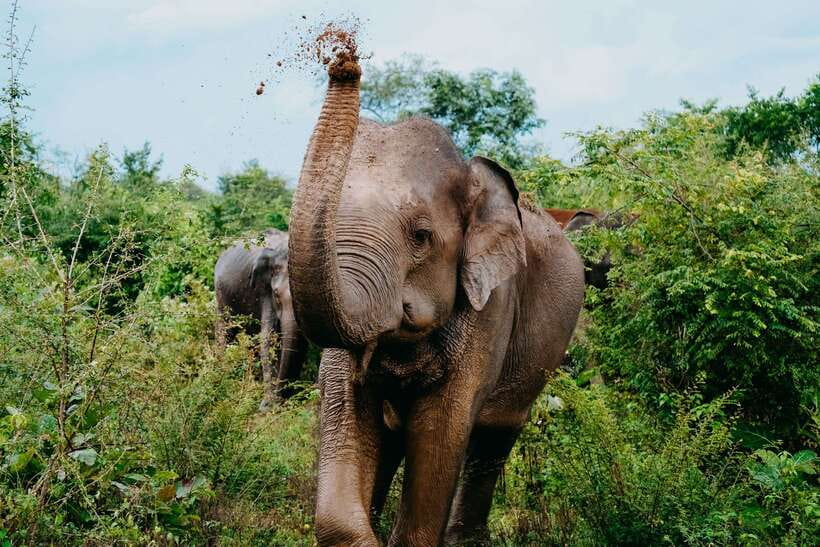
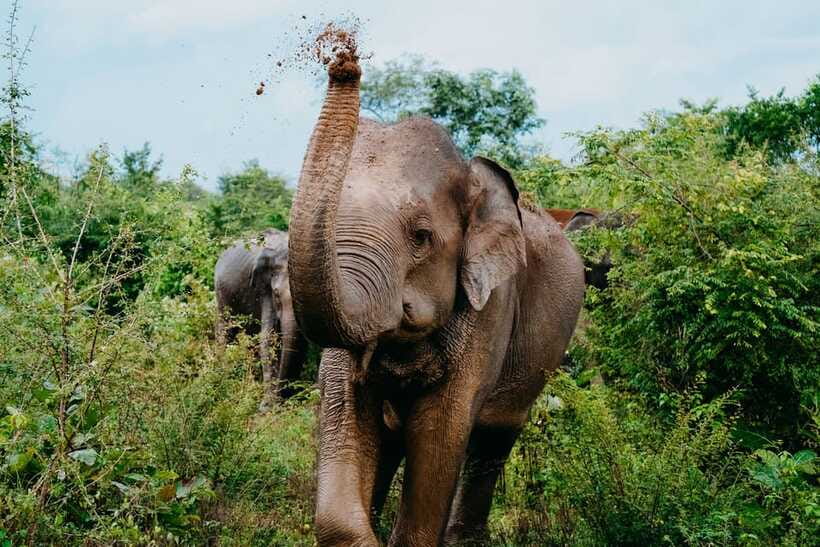
You’ll hear about elephants first, and for good reason: Udawalawe is famous for one of the largest elephant populations in Sri Lanka, with over 500 elephants often cited. But what makes the experience feel special is that you’re not only chasing one animal. You’re moving through changing zones where animals cross paths—sometimes quietly, sometimes with a whole herd deciding to appear all at once.
The best part is how the day can unfold. If you’re lucky (and guides work hard for this), you get the full range: adult elephants, families with young, and the kind of close, natural behavior that feels less like a show and more like wildlife just doing wildlife.
You can also read our reviews of more guided tours in Colombo
Price and what you should budget: tour cost plus park entry
The tour price is listed at $30 per person, and it includes plenty of the heavy lifting: hotel pickup and drop-off in the Udawalawe area, a private safari setup, and a 4×4 Jeep. A driver-guide with 10 years of experience is also included, along with transportation.
Then there’s the park entry fee: $37 per person is not included. That means your real starting point is closer to $67 per person before any personal extras.
So is it good value? For me, the value is in two places:
- Private transport through a large reserve, where your guide can take smart routes instead of following the crowd.
- Time in the right spots. When a guide can spot animals early and get you positioned without crowding, the difference shows fast.
If you pick the longer option (the 10-hour safari), lunch and water are included. For shorter safaris, you’ll want to be more intentional about comfort and hydration planning, since the data only guarantees lunch and water on the 10-hour choice.
Your safari setup: private 4×4 Jeep and a guide who handles the animal physics
This isn’t a ticket to a generic drive. It’s built around a guide and driver in a private 4×4 Jeep. In Udawalawe, that matters because the animals are wild, not staged. Good guiding is less about rushing and more about reading movement and understanding timing.
A big reason people rate this so highly is behavior around the animals. Many safaris here work by keeping distance and letting the animals choose how close they come. In real trips, guides often turn off the engine when animals are near, and they stop only when it’s worth it—so you’re not just getting noise and motion.
You’ll also benefit from the guide’s local pattern-reading. With Udawalawe’s size and the number of animals, you’re basically asking for two things:
- Spot the animals others miss
- Get you to the best viewing position without forcing the moment
Names that come up often include Gimhana, who many people describe as attentive, respectful, and quick at finding animals, plus Jana, Lasindu, Udith, Jayashan, Gayan, and Deneth. While each guide has their own style, the common thread is careful driving and lots of wildlife talk.
Language-wise, the live guide is offered in English and Singhalese, which helps if you want to understand what you’re seeing instead of just ticking boxes.
What a 4–10 hour Udawalawe safari feels like in real time
Udawalawe safaris can run from 4 to 10 hours, depending on your pick and the starting time. That flexibility is a practical advantage: early morning favors animals on the move, while afternoon can be calmer for viewing and sometimes gives you different sightings.
The start: pickup and getting into the park early
Your day begins with pickup and drop-off in the Udawalawe area. Many safaris aim to get you into the park at a time when it’s less crowded. That’s not just comfort—it’s also when animals can be easier to spot because there’s less disruption.
One pattern that shows up again and again: arriving early often means you’re positioned before the busiest jeep routes take over. That’s especially helpful for elephants, because when herds move, you want to be watching before they pass.
You can also read our reviews of more tours and experiences in Colombo
During the drive: open grasslands, water edges, and quick repositioning
Udawalawe’s main viewing comes from driving through different habitats. The open grasslands are elephant territory, while wetlands and water channels often bring other wildlife into the same frame—crocodiles included.
When your guide finds a good sighting, expect a period of quiet watching. Then the guide repositions. It can be fast, but it doesn’t feel chaotic when the driver is careful and the guide is sure of the route.
Also, do not be surprised by waiting periods. Udawalawe is massive, and even a top guide needs time to reposition. The typical rhythm people note is short waits—around 10–15 minutes—between sightings. That’s normal here, and part of why you want a guide who can keep you engaged while you’re waiting.
If you choose the 10-hour option: longer time on wildlife and included food
If you select the 10-hour safari, lunch and water are included. More time usually means more chances to catch animal movement cycles, especially if the park is active that day.
Some guides also bring something like breakfast for very early departures, which can make the morning feel more civilized. The only guarantee in the provided info is lunch and water for the 10-hour choice.
Elephants plus the rest of Udawalawe’s cast: crocodiles, deer, jackals, and birds
Elephants are the headline, but this reserve rewards people who keep scanning.
Elephants: herds, calves, and close-but-natural viewing
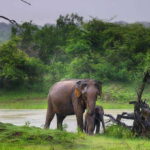
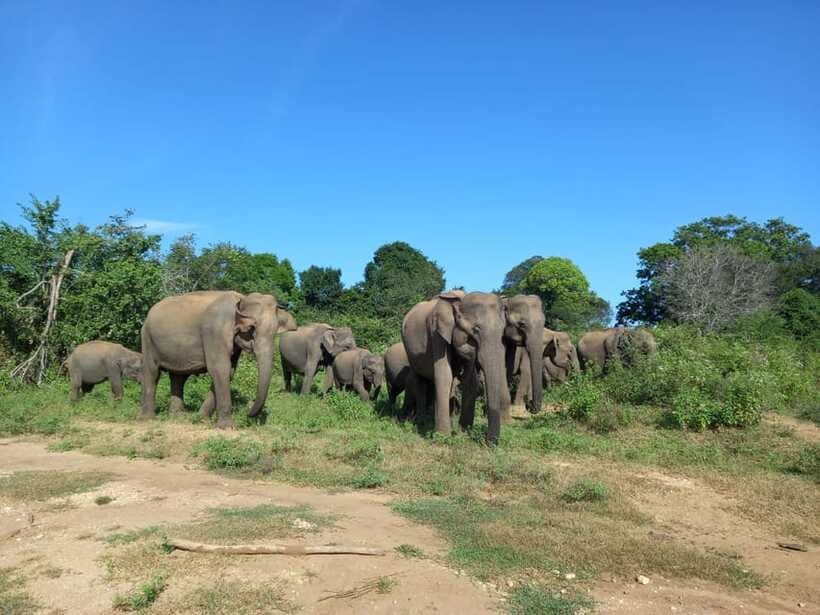
In Udawalawe, elephants don’t just stand there. They walk, feed, and cross open ground. Many people love seeing family groups and young elephants, and it can happen that you spot calves that you might miss on a less patient drive.
What I’d encourage you to do: don’t only look for the largest group. Watch for smaller movements in the edges of the scene—sometimes the most interesting moments are the smaller crossings or a mother and calf appearing where you didn’t expect them.
Crocodiles and water buffalo: wildlife tied to the wet zones
Crocodiles are a regular part of Udawalawe safaris, especially around water sources and muddy edges. Water buffalo also show up, which helps make the park feel like a full ecosystem instead of an elephant-only attraction.
Jackals and other small predators
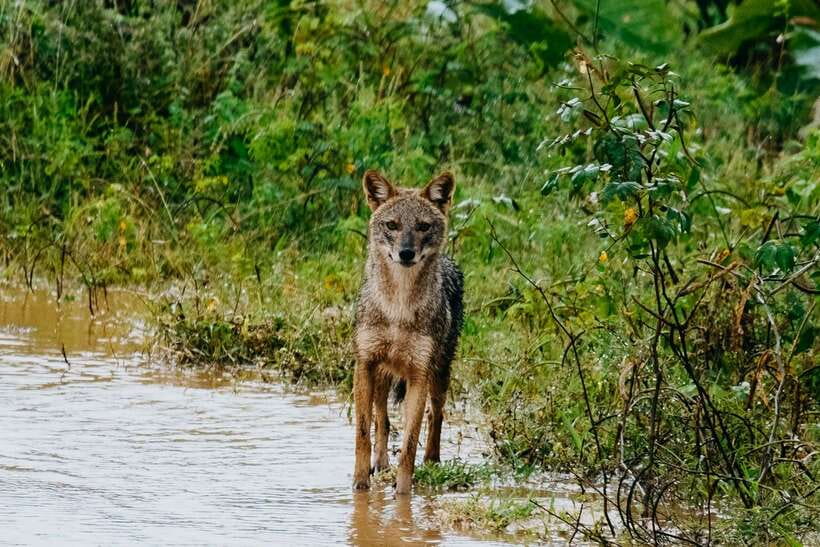
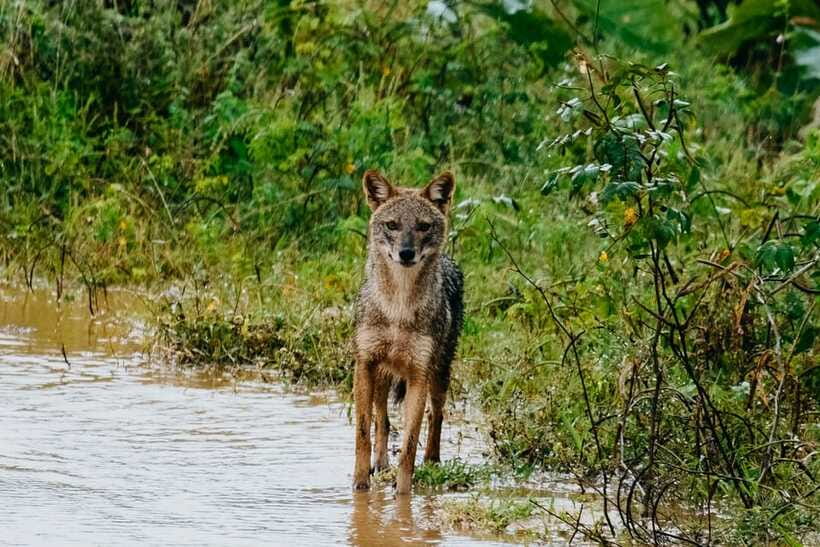
Jackals can appear too, including rare sightings like golden jackals. These animals are often harder to spot, so a guide who checks likely routes instead of driving random lines is what gets you those surprises.
Sambar deer, wild boar, and reptiles
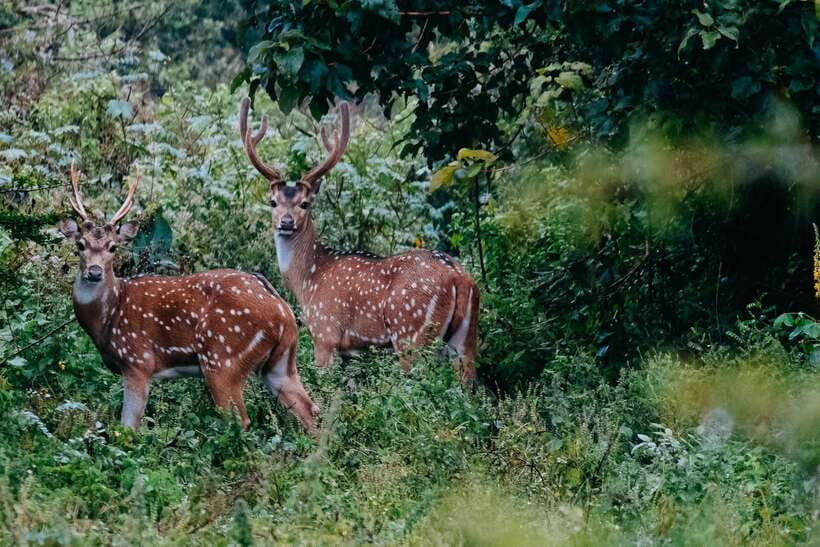
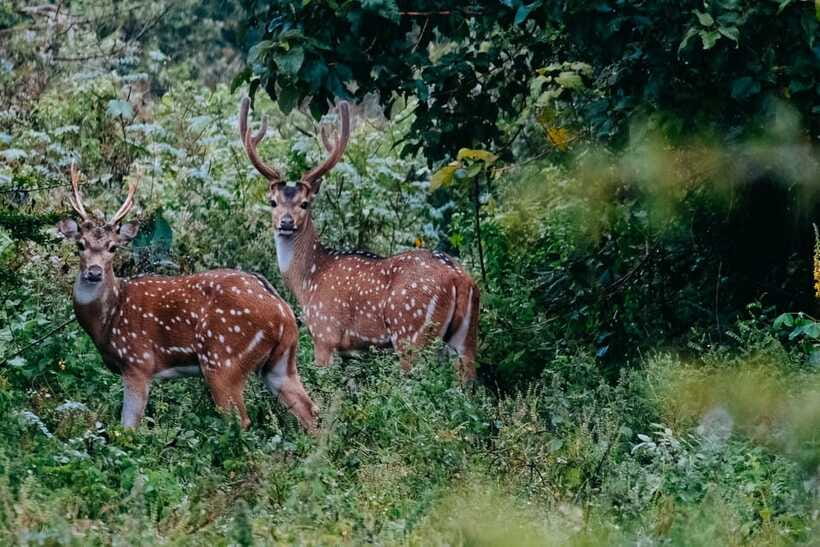
You may see sambar deer and wild boar as well. And if you keep your eyes up and down—trees, ground, and water margins—reptiles like monitor lizards and crocodiles can pop into view.
Birds: endemic Sri Lankan junglefowl is a real target
Birding is a meaningful part of Udawalawe. The tour specifically highlights the chance to see endemic birds such as Sri Lankan junglefowl and spurfowl. That’s not just a bonus species list—birds can be a sign you’re in the right habitat at the right time.
If you like birds, ask your guide to point out calls and identifying features. The best safaris feel like learning the park’s language, not just snapping photos.
Photo and timing tips that actually help in Udawalawe
Udawalawe photography is about patience and positioning, not about frantic zooming.
Here’s how to make it easier:
- When your guide stops for an animal, give it a minute before you assume the action is over.
- If you hear movement or see the group change direction, watch the edges as much as the center.
- Expect short reposition windows, then settle in again.
In the field, one practical detail that comes up: guides may provide binoculars, which can help you spot birds and distant animal movement without guessing.
Also, you may feel dust in the jeep. If you’re sensitive, plan to cover up your face and bring something simple to protect your comfort. A morning safari can be cold too, so a light layer is smart even if the day warms up later.
Comfort, rules, and who this safari works best for
Getting around
This is a safari in a 4×4 Jeep on park roads. The drive can be bumpy, and the tour isn’t listed as suitable for people with mobility impairments. It’s also not suitable for pregnant women.
If you fall into either category, it’s worth thinking twice before booking a jeep safari—Udawalawe’s rougher access can make it uncomfortable.
What’s not allowed
Drones are not allowed. Alcohol and drugs are not allowed. These rules matter because they keep the park experience calmer for animals and safer for everyone in the Jeep.
Who will enjoy this most
This is a great fit if you:
- Want a high chance of elephant sightings
- Like a mix of animals instead of only one species
- Enjoy bird spotting, especially endemics like Sri Lankan junglefowl
- Prefer a guide who takes respect seriously and keeps the experience relaxed
It’s also a good choice if you’re traveling solo. Even with a private tour option, the safari style can be friendly and social, and solo travelers often like that they can ask questions without feeling rushed.
Rain, mornings, and afternoon rides: choosing the time that matches your priorities
Udawalawe can include rain, and when it does, good guides still work to keep the outing productive. You’ll often get the sense that the guide is adjusting routes and timing rather than giving up.
Time-of-day guidance from real safari patterns:
- Early morning often gives you the best shot at being in the park before it gets busy, and it tends to bring a lot of animal movement.
- Afternoon can still be fantastic, and some people love the lighter pace and different viewing angles later in the day.
If you care most about elephants and early movement, lean toward an early departure. If you want a more relaxed pace and are okay with a slightly different animal mix, an afternoon safari can be a good match.
Should you book the Udawalawe Elephant Safari with an expert guide?
Book it if you want a focused elephant safari in a park where your odds are strong and where a good guide changes everything. The big reasons I’d recommend it are:
- Private 4×4 transport and an expert driver-guide approach
- Real emphasis on respectful viewing (space matters)
- A wider wildlife mix: crocs, deer, jackals, plus birding with Sri Lankan junglefowl in the mix
Skip it if you need step-free access, have mobility concerns, or need an environment that avoids bumpy jeep travel. Also, if you’re expecting guaranteed sightings of every animal, keep it realistic—this is wild country, and you’ll still work with the park’s timing.
If your goal is wild elephants, you’ll feel at home in Udawalawe.
FAQ
Where does the safari pickup and drop-off happen?
Pickup and drop-off are included for hotels in the Udawalawe area.
How long is the Udawalawe elephant safari?
The safari duration can be 4 to 10 hours, depending on the option you choose.
Is the Udawalawe National Park entry fee included?
No. The park entry fee is $37 per person and it is not included.
What’s included in the tour price?
The tour includes hotel pickup and drop-off (Udawalawe area), a private safari tour, a driver-guide with 10 years of experience, transportation by private 4×4 Jeep, and lunch and water only if you select the 10-hour option.
Is this safari private?
Yes. You can book a private group, and the activity is described as a private safari tour.
What language will the guide speak?
The live tour guide is available in English and Singhalese.
Are drones allowed on this safari?
No, drones are not allowed.
Is alcohol allowed during the safari?
No, alcohol and drugs are not allowed.
Is the tour refundable if my plans change?
The activity offers free cancellation up to 24 hours in advance for a full refund.