REVIEW · COLOMBO
Ceylon Tea Experience from Colombo Port Passenger Terminal
Book on GetYourGuide →Operated by Colombo City Boy · Bookable on GetYourGuide
This is one of those tours that feels like a day in two acts. You start in the streets around the Colombo port and you end up tasting the countryside story behind Ceylon tea. I like the private setup and English driver-guide—so you can ask questions as you go—and I like the mix of tea stops plus a quick sweep of major Colombo sights. The one drawback to plan around is time: most of your day is driven there and back, while the actual tea plantation experience is brief.
If you’re short on port time but you still want the real tea-world details, this tour makes sense. You’ll pass rice fields, rubber country, cinnamon and pineapple village areas, then reach tea lands for tea plucking and tea-making views before returning to Colombo for photos, temples, and shopping stops. If you’re hoping for a long, slow, sit-down tea-tasting session at the plantation itself, you should set expectations now.
In This Review
- Key highlights worth your attention
- How this Colombo port tea tour actually feels (in real time)
- Port pickup and your biggest logistics tip
- The drive out of Colombo: rice, rubber, and the working countryside
- Rayigam Tea Factory: quick look, photo time, and what to watch for
- Colombo stops you get on the way back (Lotus Tower, temples, and sea air)
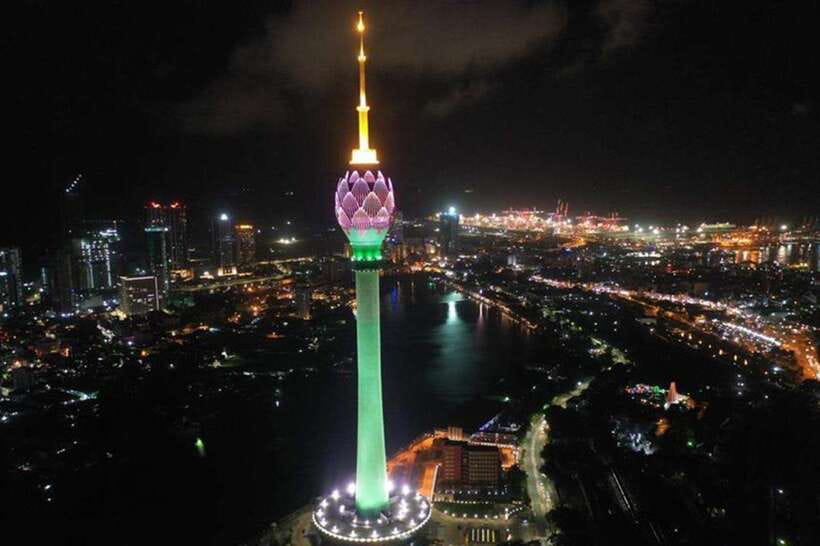
- Lotus Tower (photo stop + shopping time)
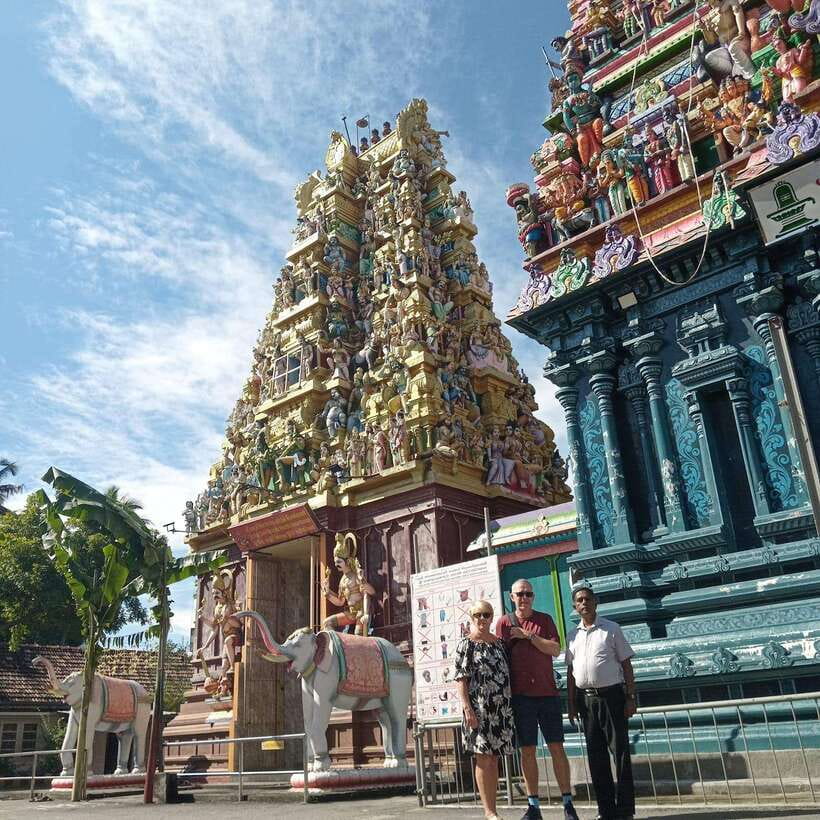
- Sri Kailawasanatan Swami Temple (brief stop)
- Gangaramaya Temple (quick, with sightseeing time)
- Independence Square (short photo-and-free-time slot)
- Gem Museum (shopping stop)
- Galle Face Hotel + arts and crafts market (photo + walk)
- Galle Face Green (free time + walk)
- Jami Ul-Alfar Mosque (short stop)
- The tea plantation side: what you’ll get beyond the factory
- Price and value: $180 for up to 3 people
- Guide quality and car comfort: small details that matter
- Who should book this tour (and who should skip it)
- Should you book the Colombo port Ceylon Tea experience?
- FAQ
- How long is the tour from the Colombo port?
- Where does the pickup happen?
- Is this a private tour?
- What’s included in the price?
- Are admission fees included?
- Are food and drinks included?
- What language is the tour guide?
- Is it suitable for older travelers?
Key highlights worth your attention
- Private port pickup at the passenger terminal for a smooth start
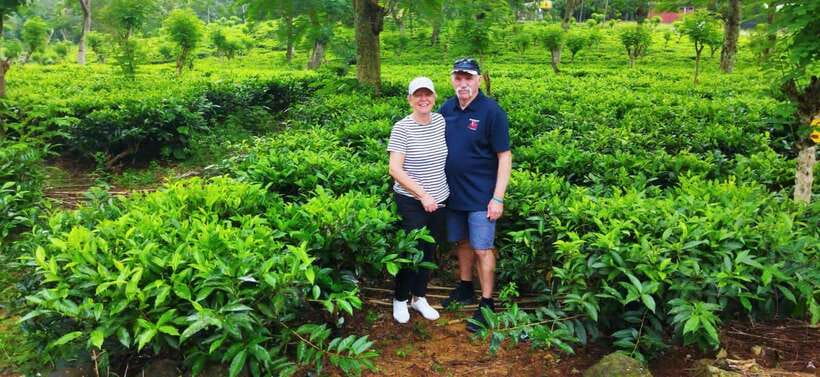
- Rayigam Tea Factory stop with photo time and free time to look around
- Tea plucking + tea manufacturing views tied to how the industry really works
- Countryside route through rice fields, rubber plantations, and cinnamon/pineapple areas
- Colombo photo and landmark circuit (Lotus Tower, temples, Independence Square, Galle Face)
- Up to 3 people per group for a price that can be fair if you’re splitting it
How this Colombo port tea tour actually feels (in real time)
A 4.5-hour shore excursion sounds short—because it is. The smart part is that you don’t waste time figuring things out. From the moment you’re met at the Port of Colombo passenger terminal, you’re in a car with an English-speaking driver-guide and a fixed flow of stops. That matters on a cruise day when timing can get stressful.
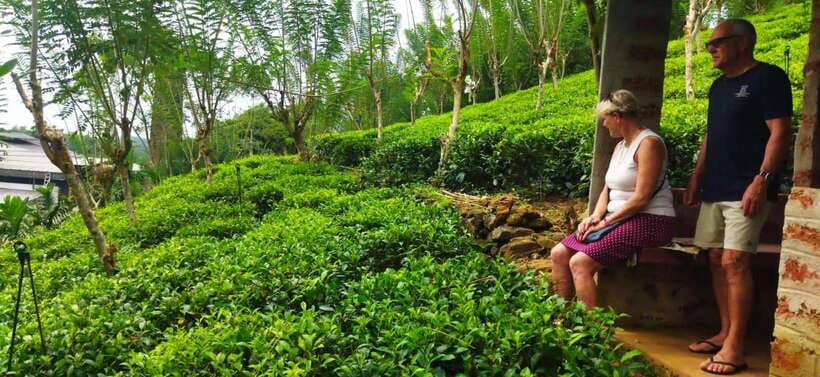
The second smart part is the range of scenery. You’re not only looking at tea. You see the working countryside—rice and rubber areas—then you transition into the tea-growing zone and get a look at how tea becomes tea (with plucking and manufacturing on the program). When you’re back in Colombo, the tour doesn’t just dump you near the port. You get a short, practical city sweep that includes places most cruise passengers never have time to reach.
Just keep one thing in mind: a lot of the experience is travel time. In one firsthand review, the drive to the plantation area felt long compared to how much time was spent on the tea side. That’s not a surprise if you know how far outside Colombo the tea-growing regions are. So if you’re the type who wants deep time at one location, you may feel a bit rushed. If you want a solid “taste of it all” and good context, you’ll likely feel satisfied.
You can also read our reviews of more tours and experiences in Colombo.


Port pickup and your biggest logistics tip

This tour is built around a cruise schedule, so the meeting point is everything. You’re picked up at the Passenger Terminal – Port of Colombo and the guide is paging passengers’ names in front of the main exit door.
Here’s the practical tip that can save you stress: don’t get on a shuttle bus after you’re off the ship. One review had a simple miscommunication about where the car was waiting, but the bigger lesson was clear—the meeting happens at the terminal area right after you come down. If you skip the shuttle and wait where the guide is paging names, your start will feel calm instead of chaotic.
Also note the tour is not suitable for people over 70 years, so if your group includes seniors, it’s worth rethinking for comfort and mobility.
The drive out of Colombo: rice, rubber, and the working countryside
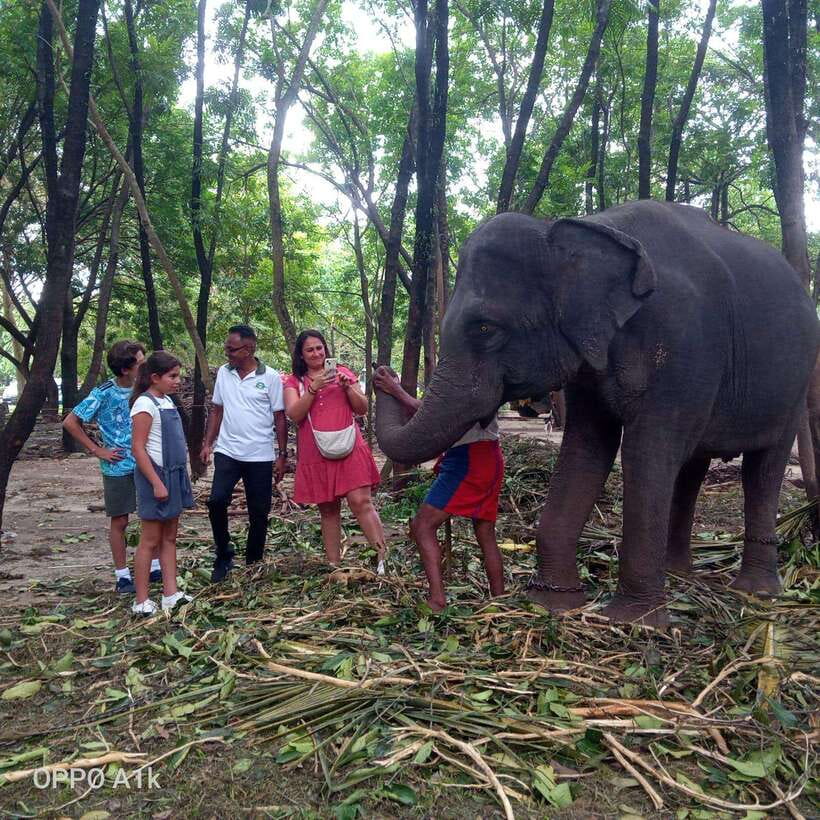
Once you leave the port area, you’re not going straight to tea. The route is part of the point. You pass through rice fields and rubber plantations, and that’s your first clue that Ceylon tea isn’t a standalone attraction—it’s tied to an entire rural economy.
This is also where you can use the driver-guide time well. Ask what you’re seeing as the scenery changes: how the growing regions differ, how farms are managed, and what locals do day to day. Since this is a private group, you’re not competing with strangers for answers.
One review described the drive atmosphere as chaotic on the road, but their driver—Nalin—stayed calm and sensible. That’s the kind of detail you want on a port day. Roads can be unpredictable, and a steady driver helps the whole day feel manageable.
Rayigam Tea Factory: quick look, photo time, and what to watch for
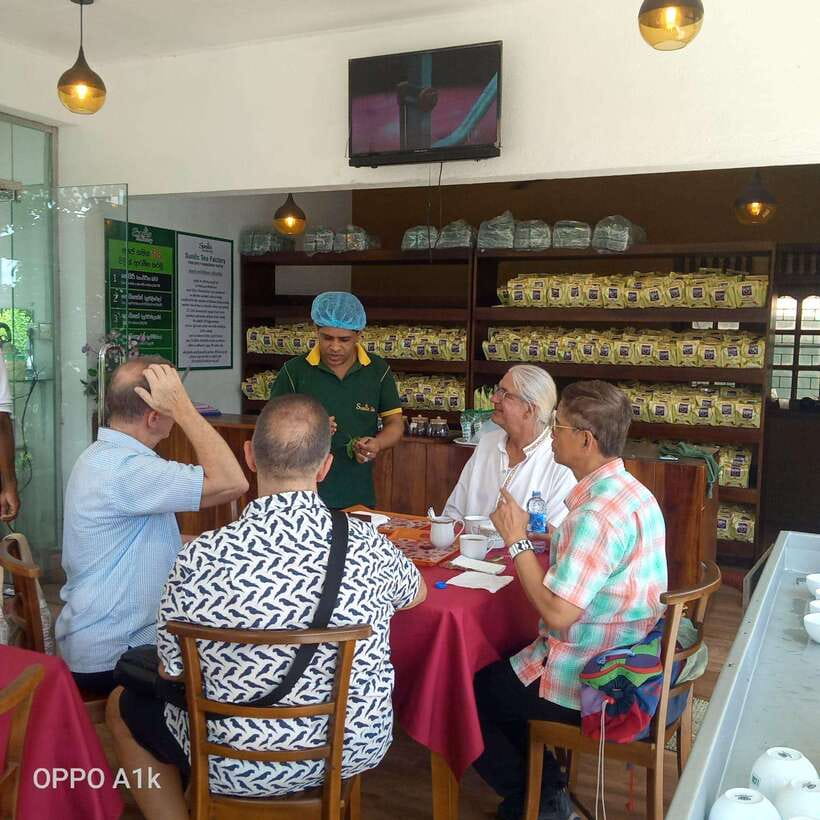
Your tea-world start is the Rayigam Tea Factory. The plan includes a photo stop, a visit, and sightseeing time with free time to walk around.
Even if you don’t get a long, slow museum-style experience, a factory stop is valuable because it answers the question most people have: what happens after the leaves are picked. Tea doesn’t become tea by magic. You’re seeing the processing side of the business, which helps everything you learn later at the plantation click into place.
What to pay attention to:
- How the factory connects to the farming side you’ll see next
- Any visible steps in processing (the tour gives time to walk and look)
- The overall scale—tea processing is not a tiny hobby operation
The downside is time pacing. If you’re hoping for an extended, sit-down tasting at the factory, the program doesn’t present that as the main event. In one review, tea sampling didn’t happen until after returning to Colombo, so plan your “tea expectations” around the overall timeline.
Colombo stops you get on the way back (Lotus Tower, temples, and sea air)
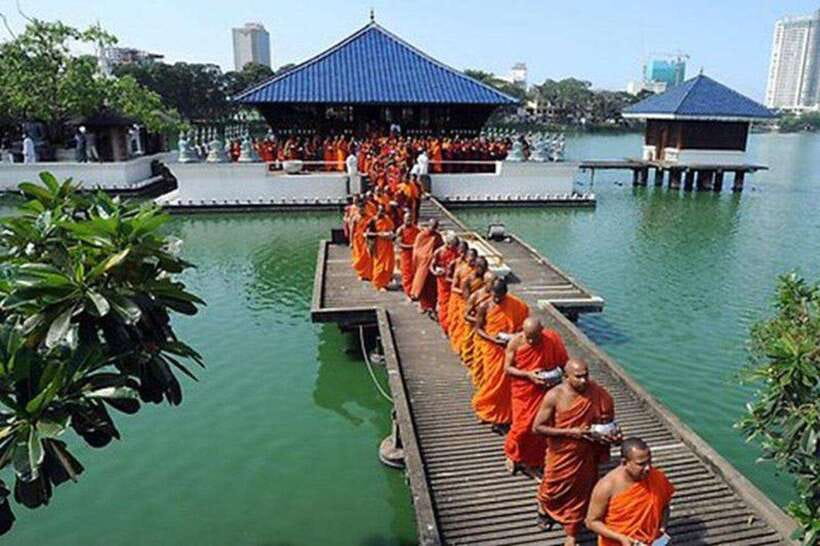
After the tea segment, you’re back in Colombo with a series of short landmark stops. These aren’t long stays, but they’re practical if you want the feel of the capital without losing the whole day.


Lotus Tower (photo stop + shopping time)
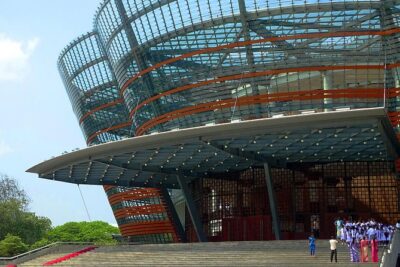
The Colombo Lotus Tower is a quick photo break plus a chance to browse and walk. It’s useful because it gives you a modern skyline reference point, which helps the older temple stops later feel different rather than random.
Sri Kailawasanatan Swami Temple (brief stop)
A short temple visit with photo time and free time. Treat this like a quick cultural reset. You’ll get to step in, look around, and absorb the atmosphere before the tour moves on.
Gangaramaya Temple (quick, with sightseeing time)
The Gangaramaya Temple stop is another short visit. This is where you’ll see how Colombo mixes devotion, art, and daily life. The time is limited, so focus on what catches your eye rather than trying to read everything.
Independence Square (short photo-and-free-time slot)
A quick stop at Independence Square. You’ll get the broad city-photo feel and enough time to reposition for the next segment.
Gem Museum (shopping stop)
Then there’s the Gem Museum with about 20 minutes for shopping. If you like jewelry and gems, this can be a fun browse. If you don’t, treat it as a quick break from walking.
Galle Face Hotel + arts and crafts market (photo + walk)
The Galle Face Hotel photo stop comes with sightseeing and walking time, plus an arts and crafts market visit. This is one of the more enjoyable Colombo segments because it’s not just a landmark—it’s a place where you can actually look around at what people sell and do near the waterfront.
Galle Face Green (free time + walk)
At Galle Face Green, you get free time and a walk. If you want one moment to breathe—sea air, open space, and a sense of Colombo’s day-to-day—it’s this. Photo opportunities are plentiful, and it’s a good time to regroup before returning to the port.
Jami Ul-Alfar Mosque (short stop)
The Jami Ul-Alfar Mosque is a brief photo stop. With limited time, it’s best to focus on the exterior and immediate surroundings and keep your pace steady.
Overall, this Colombo segment works best if you treat it like a “see it once” route. You won’t get museum-level depth on each site, but you’ll leave with a clear sense of the city’s variety.
The tea plantation side: what you’ll get beyond the factory
The tea portion is the headline, and the tour description ties it to several specific experiences:
- Ceylon Tea Plantation
- Tea plucking
- Tea Manufacturing
- A traditional Sri Lankan village experience
- Stops or viewpoints related to cinnamon and pineapple village areas
Even when the itinerary time for the plantation is relatively short, the combination matters. Tea plucking gives you a direct feel for the harvest process. The manufacturing connection (paired with the factory stop) helps you understand how plucked leaves become processed tea.
I also like that this is not only about tea. The route includes typical village day-to-day lifestyle, and that helps your tea visit feel grounded. You’re seeing how people live and work in the same broader region where tea grows.
A note from a practical perspective: one review suggested that they could improve the experience by including sitting down for local snacks or a meal during the plantation time. If you’re the kind of traveler who gets hungry fast, bring a plan—though this tour does not include food or drinks—so you can avoid waiting until you’re back in Colombo.
Price and value: $180 for up to 3 people
At $180 per group up to 3, this is priced for private convenience rather than budget group travel. The value is in the whole package: transport, an English driver-guide, and a packed day that combines countryside tea context with Colombo landmark time.
Is it worth it? It can be, if you meet these conditions:
- Your group has 2–3 people sharing the car cost
- You want tea + countryside views without planning or transfers
- You’re okay with shorter on-site time because the day is compressed
Where value can feel weaker is when you expected a longer tea tasting experience at the plantation. One review said they didn’t sample tea until reaching Colombo and found the Colombo shopping stops pricey. That doesn’t mean the tour is bad—it means your definition of value matters. If you want to buy less and taste more, you might want to keep your shopping expectations low and focus on the countryside and tea process.
If you prefer a slower tea experience with time for snacks and longer tasting on-site, you may find other formats better fit. But for a cruise day with limited hours, the private setup and the mix of stops are exactly the point.
Guide quality and car comfort: small details that matter
One review highlighted a guide named Udaya, saying the car was spotlessly clean and nothing felt like too much trouble. Another review praised a different driver, Nalin, for being sensible and calm through the chaotic roads.
You can read between the lines: this kind of port-day tour lives or dies on driver calmness and clear meeting management. Since this is a private group, you’re less likely to get stuck waiting around. Still, you should do your part—meet at the terminal exit and skip the shuttle bus so the handoff stays smooth.
Who should book this tour (and who should skip it)
This tour is a good match if you:
- Have a cruise stop in Colombo and want countryside tea context
- Like the idea of tea plucking + processing views paired with Colombo landmarks
- Prefer private transport so you can ask questions
- Can accept a quick itinerary pacing (drive time is a big chunk)
It might not be ideal if you:
- Want a long tasting session at the plantation (the day is time-tight)
- Strongly dislike shopping stops or would rather spend that time on food/drink
- Need mobility-friendly pacing for seniors (it’s not suitable for people over 70)
Should you book the Colombo port Ceylon Tea experience?
If your goal is a practical, time-efficient day that mixes Ceylon tea process + village countryside + major Colombo sights, I’d say yes—especially if you’re traveling in a small group of up to three and you value private transport.
Book if you go in with realistic expectations: most of the clock goes to getting out and back, the plantation segment is shorter than it sounds in a headline, and food/drinks aren’t included. If you want lots of shopping, skip the pressure—keep browsing light. If you want tea tasting at the plantation itself, plan that your tea moment may come later in Colombo.
Treat it like a well-run sampler of Sri Lanka’s tea story and Colombo’s top sights, packed into a cruise-friendly 4.5 hours.
FAQ
How long is the tour from the Colombo port?
The tour lasts about 4.5 hours.
Where does the pickup happen?
The pickup is at the Passenger Terminal – Port of Colombo, and the guide pages passengers’ names at the main exit door.
Is this a private tour?
Yes, it’s a private group tour.
What’s included in the price?
Full-time transport and an English-speaking driver guide are included.
Are admission fees included?
No. Admission fees are not included.
Are food and drinks included?
No. Food and drinks are not included.
What language is the tour guide?
The tour guide is available in English.
Is it suitable for older travelers?
It is not suitable for people over 70 years.