REVIEW · COLOMBO
The 10 Tastings of Colombo With Locals: Private Street Food Tour
Book on Viator →Operated by Withlocals · Bookable on Viator
Colombo street food can feel like a lot. This private walk through markets and old landmarks gives you 10 tastings of local favorites—plus the context of where to go and how to order. I love that you’re not just eating; you’re learning the logic of Colombo’s food scene. I also like the private local guide setup, since you can pace it like a human, not a stampede. The one thing to consider: there’s no hotel pickup, and you’ll be on your feet in hot, crowded areas.
Expect a smart mix of bites and city sights, starting at Colombo Fort Railway Station and moving into Pettah’s market chaos and several nearby religious and historic spots. You also get non-alcoholic drink samples along the way, and vegetarian alternatives are built in.
If you’re the type who enjoys street-level travel—busy lanes, small shops, and choosing what to eat with help—this tour is a great fit. If you want a sit-down meal and zero walking, you might find it less satisfying.
In This Review
- Key highlights worth planning for
- Why Colombo Street Food Works Best With a Local Host
- At Fort Railway Station: The Start, the First Bites, and the Walk Pace
- Pettah’s Market Energy: King Coconut, Milk Tea, and Getting Your Bearings
- Jami Ul-Alfar Mosque and Kayman’s Gate Bell Tower: The Snack Stage
- Old Town Hall to All Saints Church: Exotic Fruit, Then Lamprais or Kottu
- New Kathiresan Kovil and Wolvendaal Church: Bananas, Candy, and the Sweet Shift
- Manning Market: The Market Finale and What to Do Next
- Vegetarian Alternatives and Non-Alcoholic Drinks: What You Can Expect
- Price and Value: Is $97.85 Worth It?
- Small Risks to Plan For: Heat, Meeting Points, and Communication
- Choosing Your Guide: Names You Might See and What They Mean for Your Day
- Should You Book This Private 10 Tastings of Colombo Tour?
- FAQ
- What does the tour include?
- How long is the Colombo street food tour?
- Is this a private tour?
- What will I taste during the 10 tastings?
- Where do we meet the guide?
- Is hotel pickup or drop-off included?
- Are vegetarian options available?
- What’s the cancellation policy?
- Is the tour suitable for most travelers?
Key highlights worth planning for
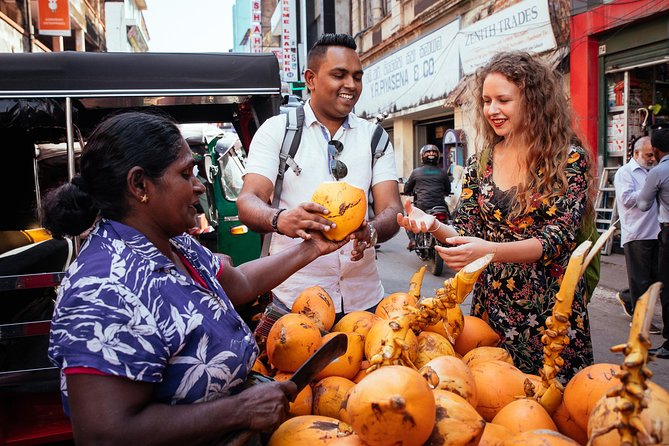
- Private guide + just your group, so you can tailor pacing and preferences
- 10 food and drink tastings with 8 dishes plus 2 non-alcoholic drinks
- Pettah market route plus old landmarks like mosque, churches, and town hall
- Ordering help that reduces guesswork, especially for heavier Sri Lankan comfort foods
- Vegetarian alternatives included, so you can taste widely without a separate plan
- You’ll hit very specific snack stops like cassava chips, samosas, and winter melon candy
Why Colombo Street Food Works Best With a Local Host
Colombo street food is not a museum. It’s an everyday system—vendors, regular customers, quick ordering, and food you eat hot and fast. With a local guide, you get two advantages at once: you know what to try, and you avoid wasting time guessing what’s fresh, popular, and worth your money.
I especially like how this tour focuses on places locals actually use, not just tourist-friendly counters. The route has a built-in rhythm: you start with quick energy, you work through savory snacks, and you end with sweet and market variety. That pacing matters. It keeps you from feeling stuffed too early, and it helps you remember what you liked instead of losing everything to spicy heat and noise.
The private format also helps on a practical level. On a three-hour tour, small delays are normal—getting people together, stepping around crowds, or taking a longer look at something interesting. In real cases, guides have been patient with heat breaks and mobility needs, and they’ve even coordinated tuk tuks when people needed extra help moving around. You can treat this as a guided meal plan plus a city orientation.
You can also read our reviews of more food & drink experiences in Colombo
At Fort Railway Station: The Start, the First Bites, and the Walk Pace
Your meeting point is Fort Railway Station, at the inquiries desk. That matters more than it sounds. Colombo can be confusing in the Fort area, and there’s a real chance you’ll end up near the wrong building if you’re rushing in. If you’re coming from another area, give yourself buffer time and stay close to Fort.
The tour is about 3 hours. You’re not looking at a marathon, but you are moving through busy neighborhood streets. Colombo heat can be real, so you’ll want water and a calm attitude. The good news: because it’s private, your guide can usually adjust stops if the group needs breaks.
The early stop near the Dutch Museum is a smart opener. You get a King Coconut, which is a practical choice: it cools you down and resets your stomach before the market snacks. Then you head into Pettah, where the vibe shifts quickly—louder, denser, and much more focused on everyday buying and eating.
Pettah’s Market Energy: King Coconut, Milk Tea, and Getting Your Bearings
Pettah is where Colombo feels most like itself. The lanes can be chaotic at first glance, but that’s where you learn the shortcuts—how people move, what’s cooked quickly, and what gets ordered repeatedly.
One of the first tastes is milk tea on the street. It’s not just a drink; it’s also a rhythm-setter. You’re starting to recognize the pattern: sweet and creamy sips, followed by crunchy and savory snacks as you keep walking.
As you move through this section, the guide’s job is not only to point at food. It’s to explain how markets work—where vendors are set up, what to look for in stalls, and how locals decide what to try. That’s what helps you later, when you’re on your own and want to replicate the success.
There’s also a small “watch for yourself” lesson here. A couple of guides have helped protect visitors from common scams around busy return routes (especially when people are near cruise-port travel). That means you’re not just learning food—you’re learning how to get out of tricky areas with confidence.
Jami Ul-Alfar Mosque and Kayman’s Gate Bell Tower: The Snack Stage
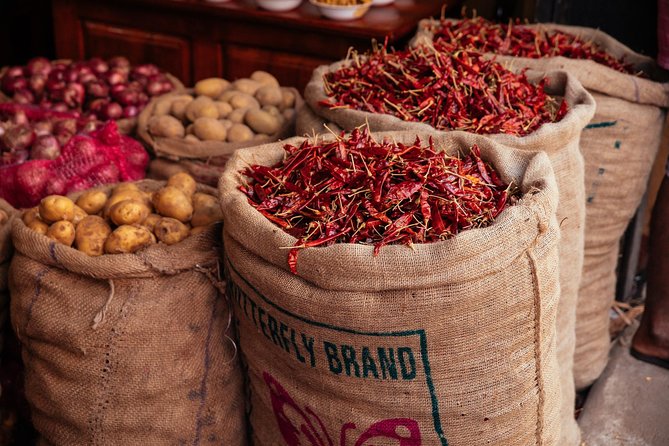
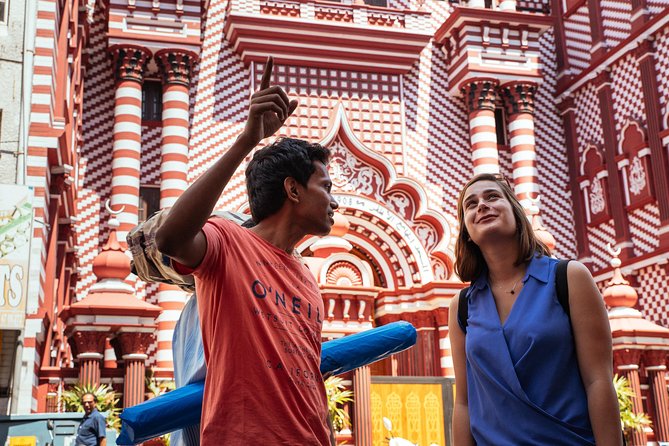
After Pettah, the tour heads into areas with strong landmarks—like Jami Ul-Alfar Mosque near the Red Masjid area and then on toward Kayman’s Gate Bell Tower. These stops aren’t random. They give your walk structure and break up the market density with recognizable points.
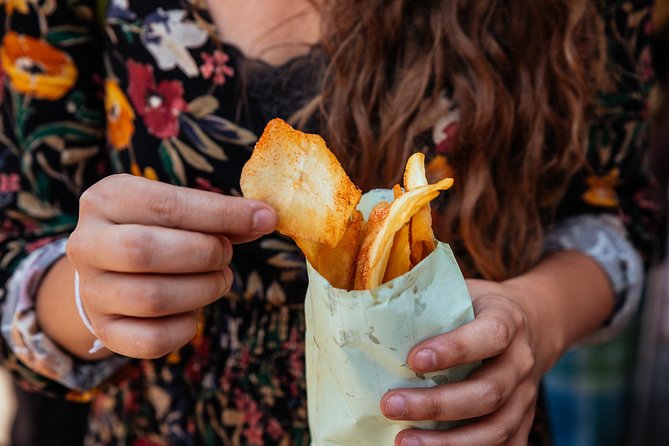
At the mosque area, you try pickled fruit and then watch for freshly made snacks like cassava chips. This is a great pairing for two reasons:
- Pickled fruit gives a sharp, tangy contrast to the sweetness you might feel coming from drinks.
- Cassava chips are salty and crunchy, and they’re easy to share, which fits the tour style.
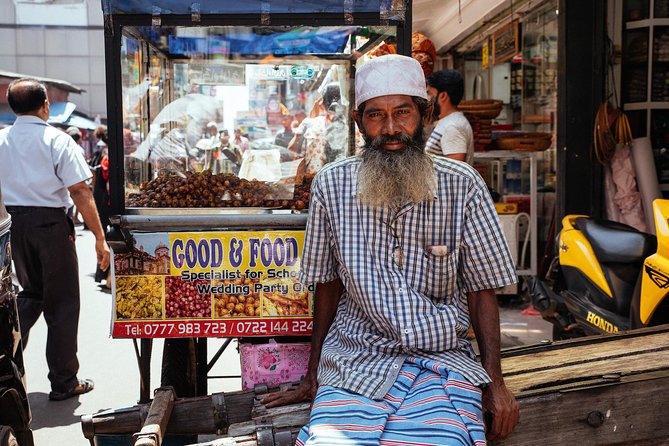
Then you move toward the bell tower for samosas. Samosas can be found anywhere, but on this tour they’re part of the local ordering rhythm. You’re not trying to recreate a restaurant dish; you’re sampling the snack as it’s sold in the street-food flow.
A practical point: these savory stops can be a bit more spicy or punchy than you expect, especially if you’re sensitive to heat. If you’re cautious, tell your guide early. The private setup makes it easier to steer you toward the milder versions without turning the tour into a negotiation.
Old Town Hall to All Saints Church: Exotic Fruit, Then Lamprais or Kottu
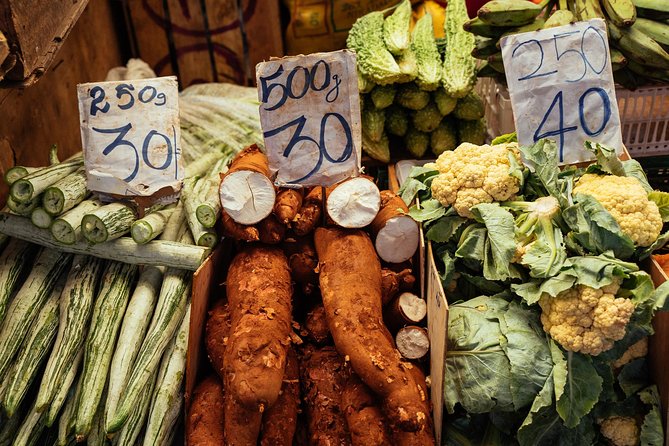
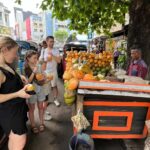
This mid-tour stretch changes the flavor story. You get a local market fruit taste near Old Town Hall. The goal here is variety—sweetness, texture, and flavors you may not see at home. Fruit on a street-food tour is a smart move because it resets your palate before heavier Sri Lankan comfort food.
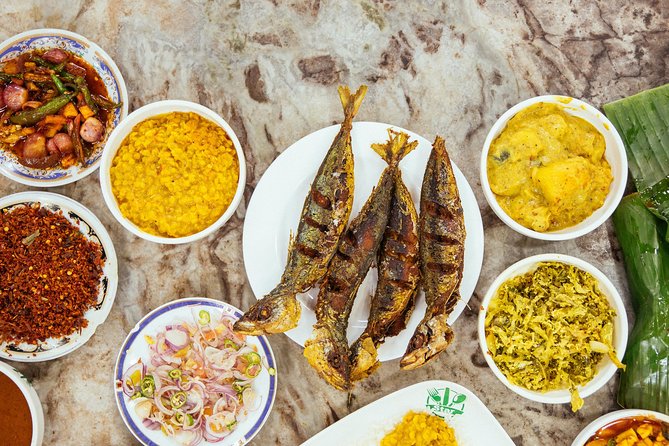
Next comes All Saints Church, and the tour hits one of Colombo’s comfort-food staples in a nearby secret-style setting. Your tasting choice is typically Lamprais or Kottu, depending on what your guide orders and what fits your preferences.
Here’s what makes this stop valuable: Lamprais and Kottu can be confusing if you’re ordering solo. A guide helps you avoid the common issues—wrong portion expectations, unclear menu names, or missing the best version at that spot. It’s also just efficient. You’re eating well without spending your limited time decoding menus while hungry.
This is also a good moment to slow down. By now you’ve had savory snacks and drinks, and your appetite might shift. Since the tour is private, you can ask for a shorter or longer tasting here if your stomach is happy—or if the heat has you.
You can also read our reviews of more tours and experiences in Colombo



New Kathiresan Kovil and Wolvendaal Church: Bananas, Candy, and the Sweet Shift
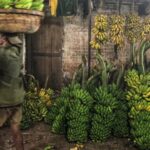
After the comfort-food stop, you get a lighter, playful chapter of the tour. At New Kathiresan kovil, the focus is bananas—specifically multiple varieties, and you taste three different types at a nearby place. This is one of my favorite styles of street-food tourism: it teaches you what locals consider worth noticing, even when it’s something as ordinary as fruit.
Then the tour moves toward Wolvendaal Church for a sweet finish: winter melon candy. This is the kind of ending that keeps the whole experience balanced. You’re not leaving stuffed and grumpy. You’re leaving with something memorable and easy to remember on your way back.
At the close of your walk, you’ll also pass Bo Tree, a Buddhist temple in Colombo. Even if you don’t have time for a long stop, it’s a useful cultural pause—one more anchor that makes the route feel like a real neighborhood walk, not just a food-hunt.
Manning Market: The Market Finale and What to Do Next
The tour ends back at the starting area, but you’ll pass through Manning Market on the way. Manning Market is described as an open market in Pettah’s suburb area, and it gives you one more taste of Colombo’s daily buying and selling.
This last stretch is practical. After three hours of guided eating, you’re usually ready for one of two things:
- Continue exploring on your own with clearer instincts, or
- Head back with a strong list of what you want to repeat.
My advice: take note during the tour of what vendors looked busy and what dishes your guide seemed confident about. If you liked cassava chips, look for similar chip sellers nearby. If you loved the banana varieties, keep an eye out for fruit stalls that sell mixed selections instead of just one type.
Vegetarian Alternatives and Non-Alcoholic Drinks: What You Can Expect
The tour includes vegetarian alternatives, which is a big deal for street-food experiences. It means you’re not only seeing what locals eat—you’re also not forced into a separate, watered-down plan.
You’ll also have two non-alcoholic drink samples across the route. One is clearly King Coconut, and another is milk tea. These are both practical Sri Lankan choices: hydrating or cooling in different ways, and easy to drink while walking.
If you have dietary needs beyond vegetarian (allergies, gluten issues, strict spice avoidance), the data says alternatives are offered for dietary restrictions. The best move is to message your operator with specifics after booking, so the guide can plan the tastings that actually match your requirements.
Price and Value: Is $97.85 Worth It?
At $97.85 per person for about three hours, this tour isn’t a cheap snack crawl. But it also isn’t a random walking tour where you pay for “maybe you’ll eat something.”
Your value drivers are:
- Private local guide (not a big bus group)
- 10 tastings included (8 dishes + 2 non-alcoholic drinks)
- Vegetarian alternatives included
- Short city highlights between food stops, so you’re getting orientation too
You don’t pay extra for the food samples, and that matters. In street-food cities, it’s easy to overspend when you’re buying one small dish at a time. Here, your tastings are planned to land across the three hours, so your budget stays predictable.
The one cost you’ll still manage yourself: hotel pickup and drop-off aren’t included, so you need to make it to Fort Railway Station on your own. Also, anything beyond the included tastings is extra.
Small Risks to Plan For: Heat, Meeting Points, and Communication
No tour is perfect, and this one has a couple predictable friction points.
Heat and pacing. Colombo can be hot, and on private tours you often need breaks. Guides have shown flexibility—slowing down, skipping sights when needed, and taking enough time for comfort. Bring water, wear breathable clothes, and don’t treat the schedule like a deadline.
Meeting point confusion. A recurring theme is getting near the right start location in the Fort area. One guide’s issue was simply that there can be more than one similar-looking place around Fort. If you’re prone to arriving early and waiting in the wrong spot, double-check you’re at Fort Railway Station and aim close to the inquiries desk.
Communication issues are rare, but they do happen. One bad experience in the feedback involved a no-show and lack of response. That’s not what you want to gamble on. If you book, keep your confirmation handy and have a backup plan for contacting the provider the day of the tour.
Choosing Your Guide: Names You Might See and What They Mean for Your Day
Withlocals runs this experience with different local hosts. From the feedback, a few names stand out because of how they behaved with real groups:
- Deegoda: praised for accommodating mobility-challenged parents, handling schedule delays, and helping with tuk tuk booking. If your group needs an unhurried pace, this style of guidance is exactly what you want.
- Priyantha: praised for being careful about scam prevention around tricky areas and for making sure people returned safely when near cruise-port travel.
- Muditha: praised for picking foods based on tastes and questions, plus being helpful and responsive.
You can’t always request a specific guide based on this info alone. But if you see one of these names at booking time, it’s a good sign that the tour will be handled with patience and practical street-smart judgment.
Should You Book This Private 10 Tastings of Colombo Tour?
Book it if you want the fastest way to understand Colombo food culture. This is best for you if you like street food, enjoy markets, and want someone to steer you toward the right stalls, snacks, and comfort dishes without you spending your time guessing.
Don’t book it if you hate walking in crowded heat or you strongly prefer sit-down meals. Also think twice if you can’t get to Fort Railway Station yourself; with no hotel pickup, you’ll need to manage your own start.
If your goal is to eat well, learn how locals order, and leave with a memory of Colombo that goes beyond photos, this tour is a solid value. The private format and the planned 10 included tastings do the heavy lifting for you. You just bring appetite, curiosity, and a little patience for market life.
FAQ
What does the tour include?
The tour includes a private tour, a local guide, and 10 food and drinks tastings. Vegetarian alternatives are also included.
How long is the Colombo street food tour?
It runs for about 3 hours.
Is this a private tour?
Yes. It’s private, meaning it’s only you and your local guide.
What will I taste during the 10 tastings?
You’ll taste 8 dishes and 2 non-alcoholic drinks. Examples listed for the route include King Coconut, milk tea, pickled fruit, cassava chips, samosas, exotic fruit, Lamprais or Kottu, three banana varieties, and winter melon candy.
Where do we meet the guide?
You meet at Fort Railway Station, at the inquiries desk.
Is hotel pickup or drop-off included?
No. Hotel pickup and drop-off are not included, and the tour ends back at the meeting point.
Are vegetarian options available?
Yes. Vegetarian alternatives are included.
What’s the cancellation policy?
You can cancel for a full refund up to 24 hours in advance. If you cancel less than 24 hours before the start time, the amount paid is not refunded.
Is the tour suitable for most travelers?
Most travelers can participate, and the tour is designed as a street-level experience with a private guide who can adapt to your group’s needs.