REVIEW · COLOMBO
From Colombo: Sigiriya and Dambulla Day Trip and Safari
Book on Viator →Operated by Apple Vacations Pvt Ltd · Bookable on Viator
Sigiriya and Dambulla in one day. It’s an early, long haul with big rewards: UNESCO caves in the morning, then a rock-climb fortress in the heat. What makes this trip practical is the pickup/return transport plus an English-speaking driver-guide, so you can focus on the sights instead of logistics.
I especially love how the day is paced with real stops, like coffee time at Cafe Amakie before you hit the caves, and frequent breaks along the way. I also like that it stays small (up to 15 people), and guides on the ground can adjust small choices without turning the day into a hard-sell shopping tour.
The main drawback is simple: this is a very long day with a steep climb, so if you’re heat-sensitive or step-sensitive, plan for extra effort and discomfort (and don’t assume you’ll be back in Colombo early).
In This Review
- Key things to know before you go
- Colombo to UNESCO caves and Sigiriya Rock: the day’s winning formula
- The 6am pickup and the long-drive reality (bring patience)
- Cafe Amakie and coffee-on-the-go: a small stop that helps
- Dambulla Cave Temple: timing, rules, and what you’re really looking at
- The Golden Temple stop: quick, but don’t sleep on it
- Sigiriya Lion Rock: the climb, the views, and the “how hot is hot” lesson
- A quick detour: Sigiriya Museum and gardens around the Lion Rock
- Oakray Woodcarvings and local stops: good for breaks, not souvenirs
- Optional safari after Sigiriya: when it’s a hit and when it’s a miss
- The real budget: $70 tour plus entrances (bring the cash plan)
- Group size, vibe, and why the guide changes everything
- What to pack for Sigiriya (so you don’t suffer for no reason)
- Should you book this Sigiriya and Dambulla day trip from Colombo?
- FAQ
- What time does the tour start, and when do I get back?
- Is hotel pickup and drop-off included?
- Are entrance fees included in the $70 price?
- How much are the entrance fees?
- What payment should I bring for the cave temple and Sigiriya?
- Is the group size small?
- Can I add a safari, and is it included?
Key things to know before you go
- Small-group size (max 15) means the day feels less crowded, even when the sites are busy.
- Guides matter: the best experiences come from guides who explain what you’re seeing and offer options without pressure.
- Plan for steps: Sigiriya involves a steep climb and lots of walking.
- Entrances are extra: budget for Sigiriya and Dambulla Cave Temple fees, plus an optional safari if you add it.
- Cash rules apply: bring cash for quicker entry, especially for the cave temple payment method.
Colombo to UNESCO caves and Sigiriya Rock: the day’s winning formula
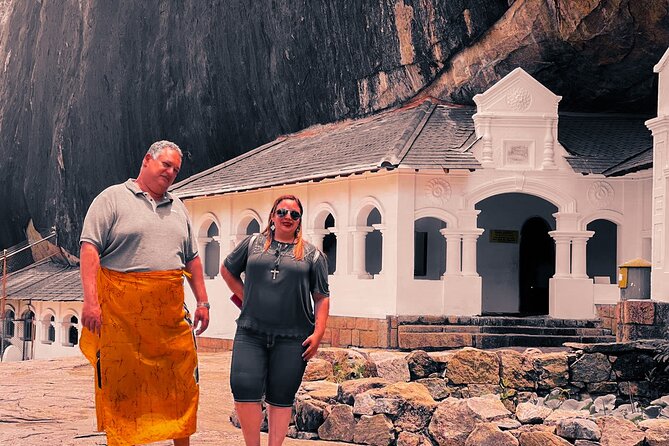
This tour works because it compresses two top Sri Lanka stops into one no-fuss timeline. You get an air-conditioned ride from Colombo, plus an English-speaking driver-guide, and that alone saves you hours of figuring out routes and ticket timing.
The other strength is that you get context along the way. Guides (you might see names like Chathu, Naveen, Silva, or Rajeev depending on your departure) tend to keep things moving while still giving you enough information to make the sites feel real, not just Instagram backdrops.
Just know what you’re signing up for: an early start and a late return. Even when everything goes smoothly, this is a full-day commitment.
You can also read our reviews of more tours and experiences in Colombo
The 6am pickup and the long-drive reality (bring patience)
Start time is 6:00am, and you’ll be picked up from your hotel lobby area (arriving about 10 minutes early is a good move). Many departures run slightly earlier or later in the real world, but the vibe is the same: you’re out before the city is fully awake.
Expect roughly 12 to 14 hours total, with significant driving both ways. In practice, that means you should plan a rest day afterward, especially if you’re climbing Sigiriya and then doing any additional safari option.
If you’re prone to motion sickness, I’d pack the basics (and sit where you get the smoothest ride). Also, if your timing is tight for another activity in Colombo the same night, build in a buffer.
Cafe Amakie and coffee-on-the-go: a small stop that helps
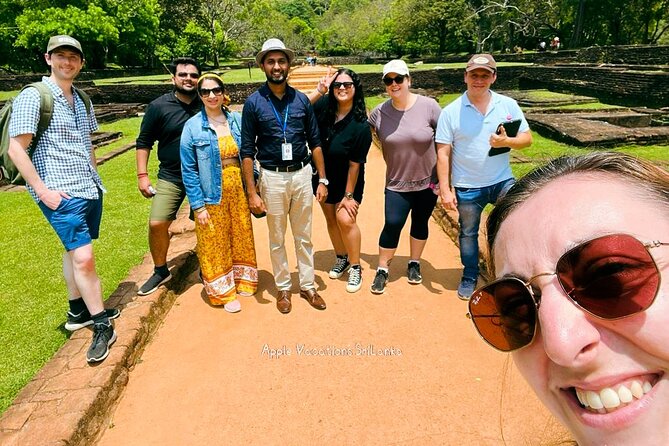
One of the morning breaks is at Cafe Amakie (about 30 minutes). It’s described as clean and well-run, with coffee that people highlight as genuinely good.
This stop matters because it happens before the caves and before the long Sigiriya day. It’s also your first chance to refuel, stretch your legs, and use the bathroom, which makes the rest of the morning feel less rushed.
Food beyond drinks isn’t part of the fixed package, so if you want more than coffee, plan to pay at the café.
Dambulla Cave Temple: timing, rules, and what you’re really looking at
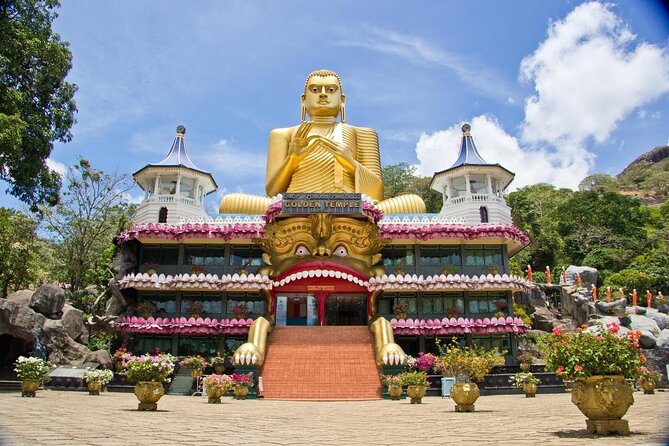
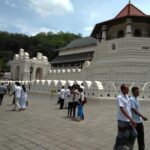
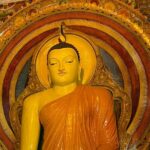
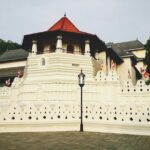
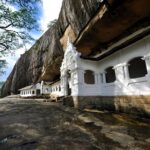
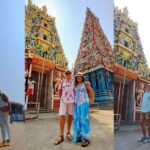
Dambulla is a UNESCO site, famous for its caves packed with Buddha statues. The day trip focuses on the Dambulla Cave Temple, sometimes called the Golden Temple of Dambulla (Jumbukola Vihara is another name you may hear).
You’ll spend about 45 minutes at the cave temple area. That’s not a slow museum visit—this is a guided, see-the-key-things visit, so go in ready to move.
Practical temple rules:
- You’ll need to remove footwear.
- Expect to follow the dress code: shoulders and knees covered.
- Hats may need to come off.
These rules are common at religious sites, but doing them quickly helps you keep your time.
One more payment note you should take seriously: the tour information says the cave temple fee is handled in local rupees or card, and USD cash isn’t accepted. That’s a classic reason for slow entry lines, so bring the right payment.
The Golden Temple stop: quick, but don’t sleep on it
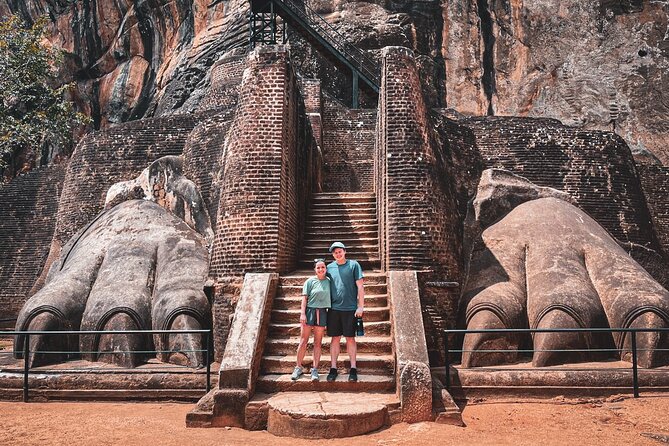
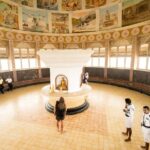
There’s a short stop labeled Golden Temple of Dambulla (listed as a very brief time window). Even if the time is tight, the key is to understand what you’re seeing when you’re inside the cave spaces: layered religious art, multiple Buddha figures, and the feeling of stepping into a preserved spiritual complex.
If you’re going to do one thing to get more value, it’s this: pause for a minute at a focal section before you rush onward. Those caves can feel easy to skim because the ceilings and statues keep pulling your eyes around.
You can also read our reviews of more tours and experiences in Colombo
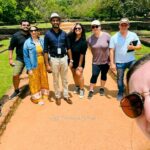


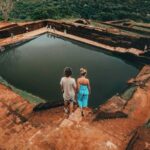
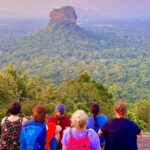
Sigiriya Lion Rock: the climb, the views, and the “how hot is hot” lesson
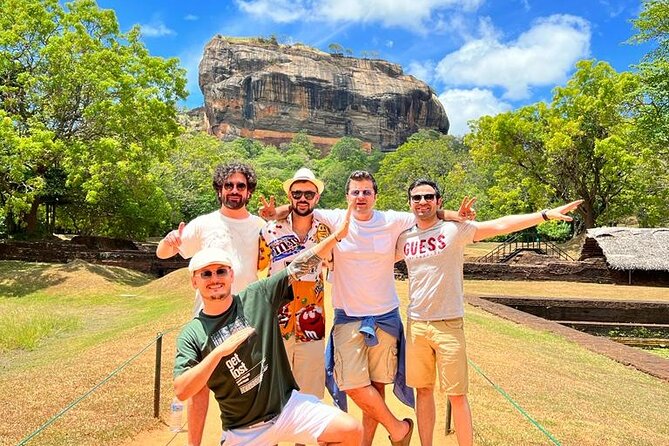
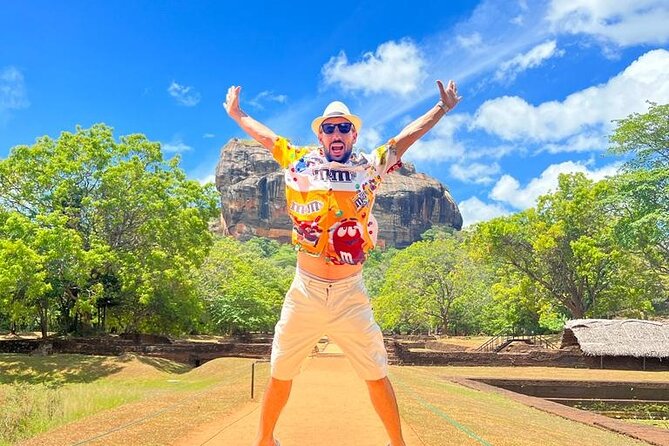
Sigiriya is the headline. You’ll have time at Sigiriya Lion Rock (about 2 hours, and the climb is the part everyone remembers).
Most visitors do the classic ascent with lots of steps. In one clear experience shared, the climb involved 249 steps, and the day can feel even longer once you factor in crowds, sun, and time moving between viewpoints.
Heat is the real boss fight here. Even with water provided during the trip, you’ll feel it on the stone. One review also mentioned hiking in rain, which actually reduced the sweat factor, but the climb is still steep either way.
Where the tour helps:
- You get guide assistance at Sigiriya Lion Rock (supported in multiple languages depending on the guide team).
- You’re not stuck trying to read signage while everyone else is moving.
- You can choose to climb fully or pace your visit if you need breaks (your guide can help you decide what feels safe and realistic).
Dress and comfort checklist:
- Wear comfortable walking shoes (not sandals).
- Bring sun protection (hat, sunscreen). If you forget, you’ll likely feel it fast.
- Bring a shirt you don’t mind getting dusty.
A quick detour: Sigiriya Museum and gardens around the Lion Rock
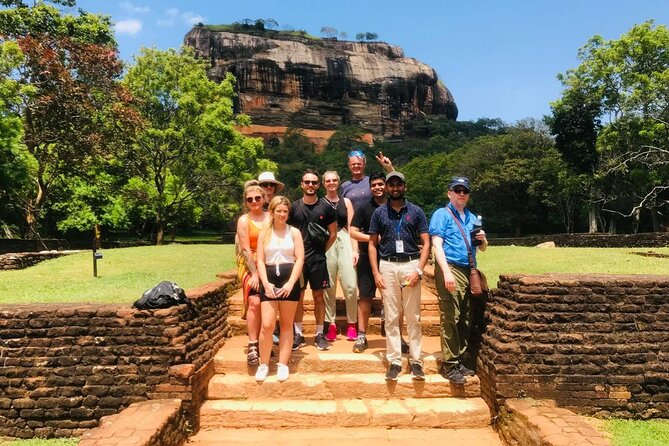
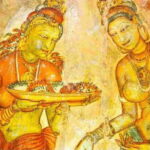
Before or around your main rock time, the day includes a Sigiriya Museum stop. It’s described as focusing on the cultural, technological, and archaeological value of Sigiriya.
This is a smart add-on because it gives you the “why this place matters” before you tackle the climb. When you reach the rock ruins, your brain can connect the dots instead of treating everything like random stone walls.
There are also mentions of time in the surrounding areas (including the gardens). Even if you’re focused on the summit, don’t skip the chance to breathe in the lower areas for a few minutes.
Oakray Woodcarvings and local stops: good for breaks, not souvenirs
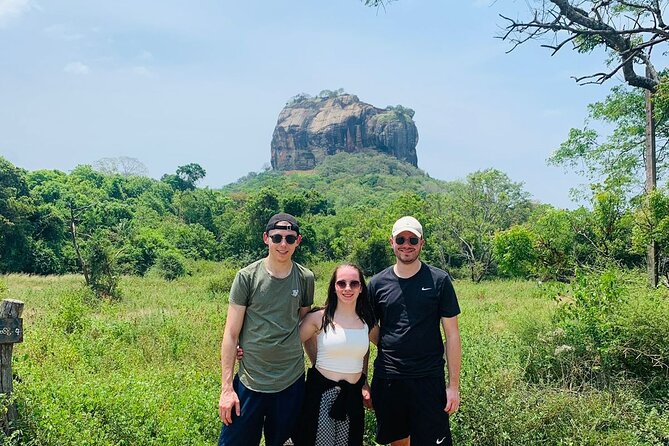
There’s a short stop for Oakray Woodcarvings (about 20 minutes). This is the kind of stop you either enjoy or you power through, depending on your interests.
I treat stops like this as a break from the heat and sitting in the vehicle. If you like crafts, it’s a chance to see woodwork and maybe buy something. If you don’t, it still works as a restroom break and a reset.
There’s also a stop associated with the Dambulla Secretariat Division area and market context. It’s not the kind of place you plan a day around, but it adds a “we’re in Sri Lanka now” feeling, rather than only visiting ticketed sights.
Optional safari after Sigiriya: when it’s a hit and when it’s a miss
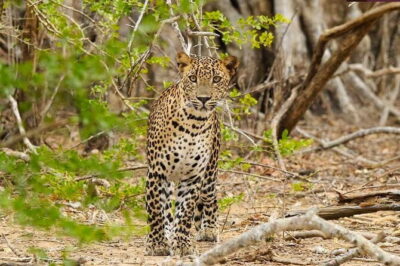
The tour price itself does not include the National Park safari fee. The information lists it as $50 per person, and many days run the safari as an optional add-on after Sigiriya.
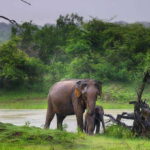
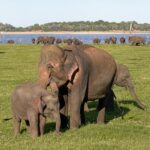
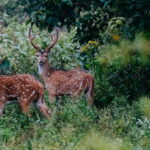
Whether it’s worth it depends on your safari expectations and your comfort with another long stretch of time. One experience described a safari as excellent with close elephant viewing, while another experience raised concerns about an option feeling expensive for the animal sightings.
If you add the safari:
- Expect extra time. Some return to Colombo can run as late as 9:30pm or later, depending on driving and whether the safari happens.
- If you’re sensitive to added costs, keep firm boundaries and decide early in the day.
- Ask your guide what the safari route and animal focus is before you pay, and compare it to what you want to see.
Also, be aware that animal experiences can differ sharply from one park day to another. If you want safaris for ethics as well as excitement, it’s worth keeping your expectations realistic and your questions sharp.
The real budget: $70 tour plus entrances (bring the cash plan)
The tour price is $70 per person for transport and guiding. But the day’s main costs are the site entrances, which you pay separately.
From the information provided:
- Sigiriya entrance: around $35–$36 per person (payment options include card and rupees; USD acceptance depends on the site rules listed).
- Dambulla Cave Temple entrance: around $8 per person.
- Safari option: $50 per person.
So a typical cost picture (without safari) lands roughly around:
$70 + ~$35 + ~$8 = ~$113 total, plus meals/drinks you choose.
Food and drinks aren’t included unless specified. You’ll have breakfast/coffee opportunities along the route, but you should expect to pay for what you order.
Payment tips that save time:
- The cave temple fee is said to need local rupees or card; USD cash not accepted there.
- Sigiriya is listed as payable in 11,000 rupees (around $35) and can be done by card and USD cash, depending on the posted rules.
In other words: don’t arrive with a single currency plan and hope for the best.
Group size, vibe, and why the guide changes everything
The tour caps at 15 travelers. In real life, smaller groups help at sites because you don’t lose everyone to bathroom breaks and slow stair pacing.
The best parts of the day show up when your guide:
- explains what you’re looking at without turning it into a lecture,
- keeps the day organized,
- and offers options for non-essential parts without pushing.
You’ll see this in the guidance styles shared by people who had different leaders (names like Chathu, Aeron, Silva, Naveen, and Rajeev show up). Some guides even helped coordinate separate transportation when people wanted a different optional experience, which can make the whole day feel smoother.
What to pack for Sigiriya (so you don’t suffer for no reason)
Here’s the “do this and you’ll thank yourself later” list based on the practical issues repeatedly flagged:
- Comfortable walking shoes for the steps and uneven areas
- Sunscreen and a hat (sun can be intense)
- A light layer for temples if you get cold in AC after the climb
- Cash for entrance fees (and to handle the cave temple payment rules)
- Water discipline: bottled water is included in the vehicle, but you may want to top up if you run hot
For temples:
- Expect footwear removal.
- Wear clothes that cover shoulders and knees.
If you’re not used to climbing, treat this as moderate to strenuous. One person described the climb as more challenging than expected due to steepness plus heat and humidity.
Should you book this Sigiriya and Dambulla day trip from Colombo?
Book it if you want:
- a guided, no-stress way to see two UNESCO highlights in one day,
- a small group with pickup and return transport,
- and you’re comfortable with early starts and a big step climb.
Skip it (or choose a different format) if:
- you hate long driving days,
- you’re dealing with mobility limits around stairs,
- or you strongly dislike feeling rushed at major sites (because the day is packed, even with good guiding).
My practical recommendation: if Sigiriya is your must-do, this is a strong way to do it from Colombo without juggling tickets, timing, and transport alone. Just go in with your eyes open: the entrances cost extra, the day runs long, and the steps are the main event.
FAQ
What time does the tour start, and when do I get back?
The pickup starts at 6:00am. The total day runs about 12 to 14 hours, and return to Colombo can be later in the evening, sometimes around 9:30pm depending on traffic and options.
Is hotel pickup and drop-off included?
Yes. You get hotel pickup and drop-off by air-conditioned vehicle.
Are entrance fees included in the $70 price?
No. Entrance fees for Sigiriya and Dambulla Cave Temple are extra and you pay directly on the day.
How much are the entrance fees?
The information lists Sigiriya at around $35–$36 per person and Dambulla Cave Temple at about $8 per person.
What payment should I bring for the cave temple and Sigiriya?
The cave temple fee is listed as requiring local rupees or card, and USD cash is not accepted there. Sigiriya is listed as payable in 11,000 rupees (around $35) and can be done by card and USD cash.
Is the group size small?
Yes. The tour has a maximum of 15 travelers.
Can I add a safari, and is it included?
A National Park safari is listed as not included, with a fee of $50 per person. Some days also allow an alternative option if people choose not to do the safari.