REVIEW · COLOMBO
Market Tour and Hands-On Cooking Class Colombo
Book on Viator →Operated by Ceylon Rustic Guide · Bookable on Viator
Cooking where spices meet shopping.
This Colombo class pairs a market visit with a hands-on 5-course Sri Lankan feast, so you’re not just watching you’re learning why each ingredient matters. I especially like the way menu selection is built from family recipes and how the chef teaches practical home-cooking tricks you usually won’t find in cookbooks. One thing to keep in mind: the full meal takes longer than you might expect, since the cooking process moves at a slower, careful pace.
You meet at Villa Ivy Crest, start with a welcome herbal drink or fruit juice, and then settle into a villa setting with a guide who explains dining manners as you go. If you’re short on time, this isn’t a quick stop-and-snack experience, but if you want real technique and real conversation, it fits well.
In This Review
- Key highlights you’ll feel right away
- Starting point in Colombo: Villa Ivy Crest and the 5-hour rhythm
- Market tour: fruit, vegetables, and spice clues you’ll reuse
- Menu selection first: the class built around family recipes
- How the chef teaches technique: palm measurements and home tricks
- Clay-pot cooking and Sri Lankan flavor work
- Dining etiquette: eating like a local is part of the lesson
- Drinks, beers, and what’s actually included in the price
- Transport: welcome at arrival vs hotel pickup costs
- Practical logistics: meeting point, mobile ticket, and small group flow
- Who this cooking class suits best
- Should you book this Colombo market and cooking class?
- FAQ
- How long is the Colombo market and cooking class?
- Where do we meet, and where does it end?
- Do I get to choose what we cook?
- Is lunch or dinner offered?
- Is a vegetarian option available?
- What is included in the price?
- What is not included?
- How many people are in the group?
Key highlights you’ll feel right away
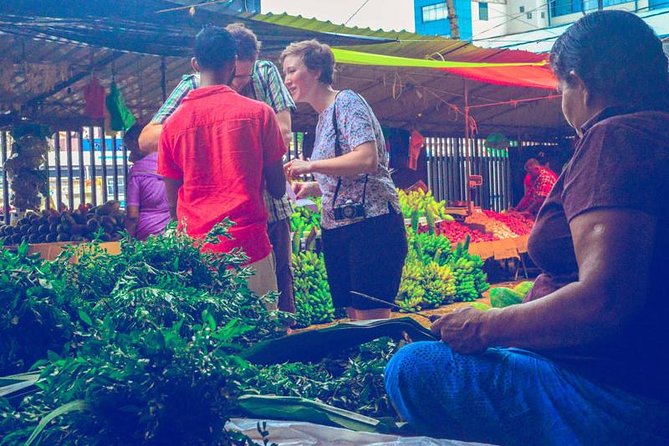
- Market shopping that teaches what to buy and why, including fruit, vegetables, and spice details
- Pick your own 5-course menu, tailored around the chef’s family recipes
- Clay-pot cooking included, with step-by-step guidance from start to serving
- Dining etiquette training, including the rule of serving others first
- Recipes and a certificate, so you can try the dishes again later
- Small group size (max 8) for more attention at the stove and table
Starting point in Colombo: Villa Ivy Crest and the 5-hour rhythm
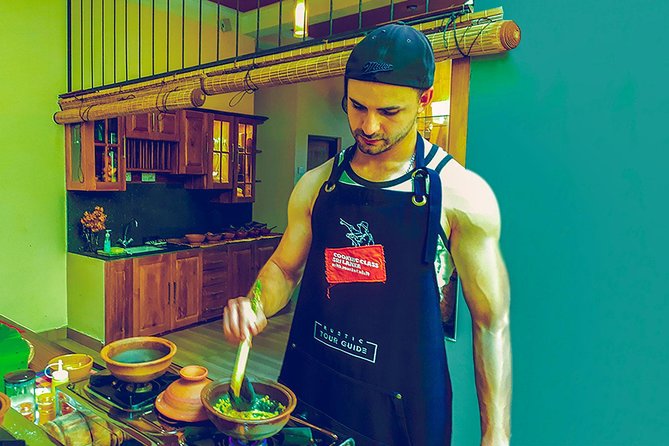
This experience runs about 5 hours, and that time feels purposeful. You begin at Villa Ivy Crest (meeting point) in Colombo’s broader area, and the schedule is built around two phases: ingredient shopping and then cooking + eating.
Expect a welcome drink right away—something along the lines of freshly made fruit juice or a herbal drink—plus a short briefing of the agenda. This early pause matters. You get to cool down, get your bearings, and learn how the class works before you hit the market.
Group size is capped at 8 travelers, which changes the vibe. You’re not fighting for space around a stove, and you’re more likely to get answers as you cook.
You can also read our reviews of more shopping tours in Colombo
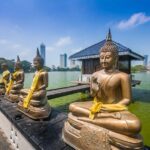
Market tour: fruit, vegetables, and spice clues you’ll reuse
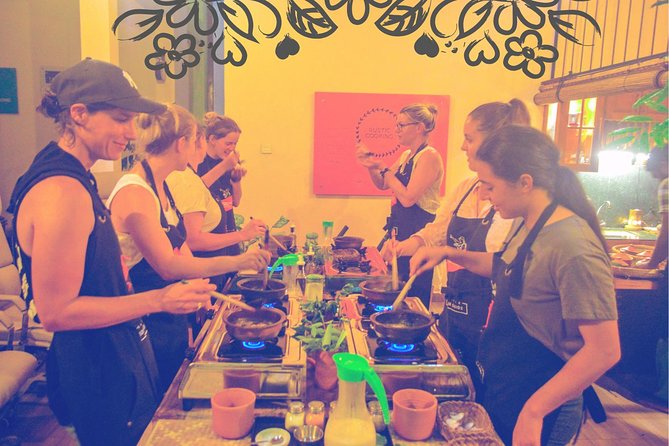
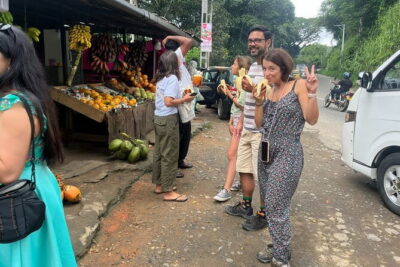
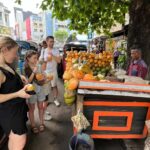
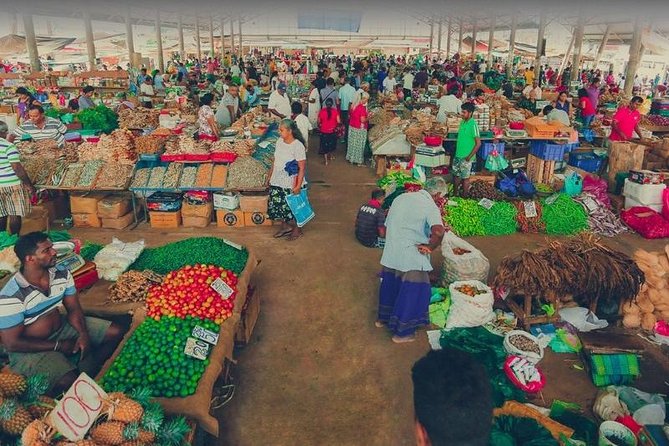
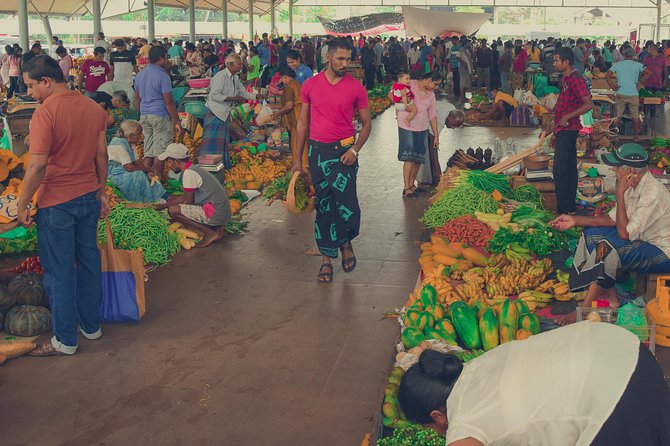
The market portion is more than a walk for photos. You select ingredients for the menu, and the guide helps you understand what’s typical in Sri Lankan home cooking—especially the produce and spice choices that may look familiar but behave differently.
One standout theme is curiosity about cinnamon and spices. You’ll hear practical notes on real versus fake cinnamon, plus how spices contribute to flavor, aroma, and color. That may sound like food trivia, but it actually helps you recreate results later, because Sri Lankan cooking isn’t only about heat. It’s also about getting the smell and color right.
You’ll also learn about fruits and vegetables that may be new to you—things you might not usually recognize in a supermarket setting. The guide keeps the pace easy and informative, so even if you’re not a confident shopper, you’ll leave knowing what to look for.
Menu selection first: the class built around family recipes
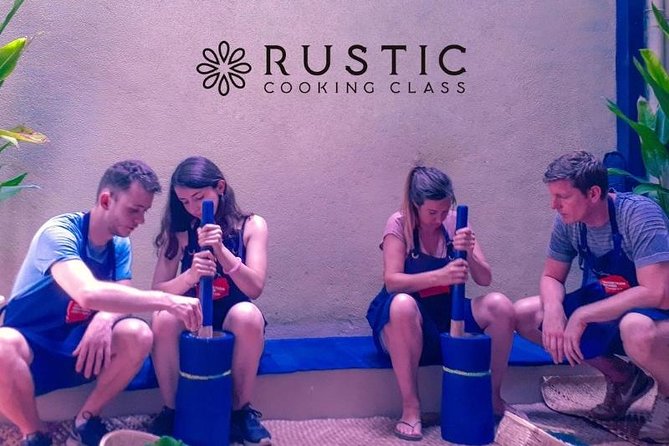
Before cooking begins, you’ll choose a menu from family recipes. That choice is central to the value of this tour. Instead of being handed a fixed set of dishes, you’re shaping what you’ll make, and the chef guides you through the plan.
You can do lunch or dinner, which is a smart option in Colombo. If mornings are busy for you, go for dinner. If you prefer to be done with food early, choose lunch. The experience is designed to fit your day without turning the plan into a rushed scramble.
The class also includes light refreshments and afternoon tea, and you’ll spend the rest of the time working through ingredients step by step, then eating your own 5-course lunch/dinner.
How the chef teaches technique: palm measurements and home tricks
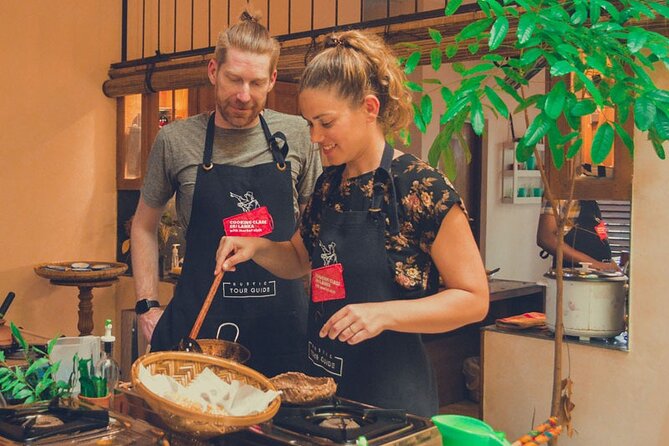
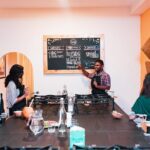
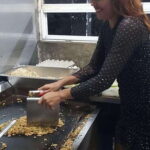
The chef’s teaching style focuses on hands-on technique. You’ll be involved in steps that go beyond mixing a sauce—like cleaning ingredients, measuring, and then cooking in real sequence.
A fascinating detail: the class uses traditional measurement and timing tricks that you can’t fully learn from videos or cookbooks. There’s an example comparing a familiar European idea of palm-based measurement, showing how Sri Lankan home cooks estimate and portion in ways that still work in practice.
This is where your biggest skill gain happens. You’re not just collecting recipes—you’re learning the logic behind them:
- which ingredient steps happen early because they build aroma
- how flavor layers grow during cooking
- how long certain preparations take before they’re ready for the next step
Also, the class acknowledges a cultural cooking tempo. You may notice the process takes longer than what you’d expect if you’re used to American or European cooking shortcuts. But the payoff is that the meal tastes built, not thrown together.
Clay-pot cooking and Sri Lankan flavor work
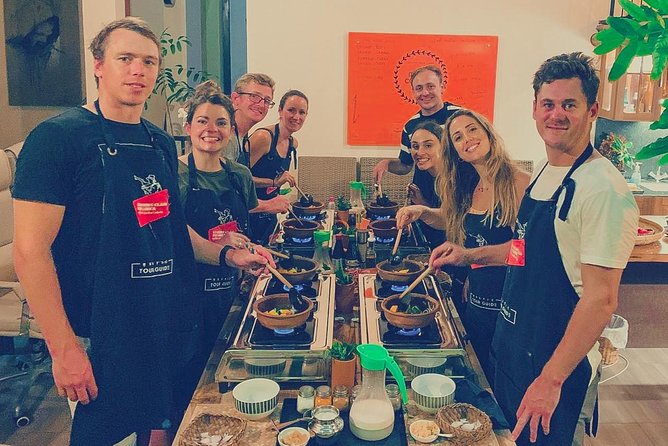
Clay-pot cooking is listed as included, and it fits the teaching goals perfectly. Clay pots tend to reward patience—heat distribution and moisture behavior can change how sauces and curries develop.
During the class, you’ll get guidance through real preparation: chopping, mixing, and cooking until each course is ready. You’ll also learn how each part of the process affects the final result—aroma, color, and balance.
One practical note: Sri Lankan flavors can be spicy and aromatic, but the class is framed as home cooking. That means you’ll get clearer guidance on spice use and how the kitchen expects you to treat seasoning as a living thing, not a single step you do once and forget.
You can also read our reviews of more tours and experiences in Colombo
Dining etiquette: eating like a local is part of the lesson
This is the part many food tours skip. Here, dining etiquette is taught as a practical rule set, not an afterthought.
The experience emphasizes a key cultural pattern: serving others before ourselves. That’s not just a polite line. It shapes how you sit, how you plate, and what you do first at the table.
You’ll also learn that table manners can be specific and easy to get wrong if you come in assuming it’s similar to your home dining habits. This class helps you avoid awkward moments by explaining the expectations in plain terms.
Once the cooking is done, you’ll eat the meal you prepared, and the meal becomes the final test of what you learned: if your ingredient choices and technique were right, you’ll notice immediately in flavor and aroma.
Drinks, beers, and what’s actually included in the price
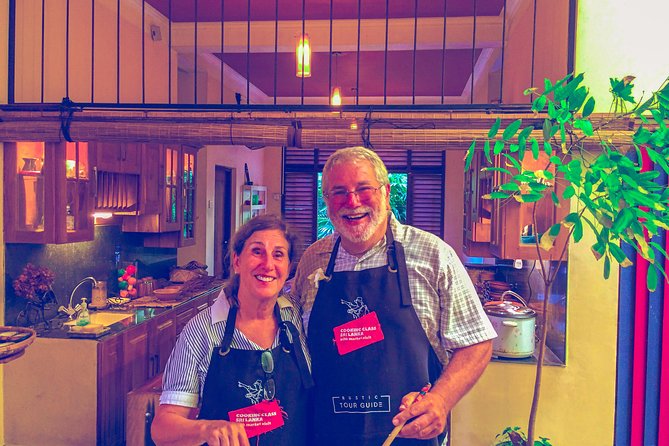
At $80 per person, this is positioned as a premium small-group food experience: market shopping + professional instruction + a full 5-course meal, plus recipes and a certificate.
Included items cover a lot of the friction points that usually add cost:
- welcome refreshment
- bottled water
- professional guide
- light refreshments and afternoon tea
- the 5-course lunch/dinner you cook
You’ll also see a note about clay-pot cooking included and recipes/certificate, which matters if you want to recreate the dishes later instead of just remembering the flavors.
Not included:
- hotel drop-off
- hotel pickup (cost depends on distance/mileage)
- alcoholic drinks (beers)
There’s also a local-cash hint: you may want cash for extra beers beyond the included one. If you don’t plan to drink alcohol, you can ignore that. If you do, plan ahead.
Transport: welcome at arrival vs hotel pickup costs
Transport is partly handled, but it’s not fully included in the same way for every traveler.
- Airport pick-up is described as available with a fully air-conditioned car and an expressway entrance, listed at $38USD.
- Hotel pickup cost depends on mileage, and you’re asked to contact the provider for details.
You should expect transfers to vary with traffic, since timing is listed as approximate.
Practical logistics: meeting point, mobile ticket, and small group flow
You’ll want to treat this as a schedule you build around, not a flexible add-on. The meeting point is Villa Ivy Crest, with the start location listed as VW99+VCV, Sri Jayawardenepura Kotte, Sri Lanka. The activity ends back at the meeting point.
You’ll receive a confirmation at booking time, and the tour uses a mobile ticket. The experience is also capped at 8 travelers, which affects your day in a good way: more hands-on time at the stove and less waiting around.
If you’re arriving by cruise ship, you’ll provide ship name and time windows (docking, disembarkation, and re-boarding). That’s a good sign the operator plans around real timing constraints, not just generic schedules.
One more useful practical tip: the provider shares a WhatsApp contact for the exact meeting point. If you’re relying on GPS, this kind of detail can save you stress.
Who this cooking class suits best
This experience fits best if you want more than food. You want context, technique, and cultural manners at the table.
It’s a strong match for:
- couples and small groups who like personal instruction
- travelers who enjoy markets and want to learn ingredient choices
- anyone who wants recipes they can actually use at home
- first-timers to Sri Lankan cuisine who want guidance on spices and flavor building
If you’re someone who prefers strict, fast-paced instruction or you’re only interested in eating rather than cooking, you might find the slower cooking pace and 5-hour block less appealing.
Should you book this Colombo market and cooking class?
I’d book it if you care about learning the how behind Sri Lankan food—shopping choices, spice logic, and real kitchen technique—then sitting down to eat your results with taught etiquette. The combination of market tour + hands-on cooking + 5-course meal is the core value here.
I’d think twice if you’re mainly looking for a quick food hit, or if you don’t want to spend a good chunk of your day in one activity. Also, double-check drink preferences: beers are not included beyond the stated limit, and you may need local cash for extras.
FAQ
How long is the Colombo market and cooking class?
The experience is about 5 hours (approx.).
Where do we meet, and where does it end?
You meet at Villa Ivy Crest, and the activity ends back at the meeting point.
Do I get to choose what we cook?
Yes. You select a menu before starting the market visit and cooking.
Is lunch or dinner offered?
You can choose between a lunch or dinner class to match your schedule.
Is a vegetarian option available?
Yes. A vegetarian option is available if you request it at booking.
What is included in the price?
The experience includes a professional guide, welcome refreshment, bottled water, light refreshments/afternoon tea, and the 5-course lunch/dinner you prepare, plus recipes and a certificate.
What is not included?
Hotel pickup, hotel drop-off, drinks, and alcoholic drinks (beers) are not included.
How many people are in the group?
The class has a maximum of 8 travelers.