REVIEW · COLOMBO
Colombo City Tour by Car – Private & All-Inclusive
Book on Viator →Operated by Capital Tour By Tuk Tuk · Bookable on Viator
Colombo in four hours, no stress. This private, all-inclusive loop is a smart way to get oriented fast while staying comfortable in an air-conditioned car. You’ll cover major sights across old streets, colonial-era buildings, and the waterfront without dealing with transfers.
I also like the pacing. The stop times are short enough to keep things moving, yet you still get real chances to step inside places where it matters. The route does pack a lot in, so the only real drawback is you’ll have to choose what you want to linger over.
In This Review
- Key things that make this Colombo city tour worth your time
- Why a private air-conditioned loop is a great way to start Colombo
- How the route works: 4 hours, short stops, big coverage
- Pettah Market: the fastest way to understand Colombo street life
- Red Mosque (Rathu Paliya): a splash of color inside the market maze
- Galle Face Green: Colombo’s meeting place by the sea
- Zylen Tea factory outlet: taste Ceylon tea, then move on
- Temple Of Sri Kailawasanathan Swami Devasthanam Kovil: one of Colombo’s older sacred sites
- Old Town Hall (and Edinburgh Hall): colonial-era structure you can actually walk around
- Kayman’s Gate Bell Tower: what’s left of Colombo Fort
- Colombo Fort: the business district that keeps the old name
- Christian Reformed Church of Sri Lanka (Wolvendaal Church): Dutch colonial architecture in use
- Gangaramaya Temple: the big spiritual stop with real details
- Independence Square and the end of the colonial timeline
- Port City Promenade: reclaimed-land modern Colombo, under construction
- Colombo Lighthouse and Maritime Museum: the port-side wrap-up
- Town Hall of Colombo and Viharamahadevi Park: civic Colombo meets a classic park
- What you’ll get from the guides and the private format
- Value check: is $70 per person a good deal?
- Who should book this tour, and who might want something else
- Should you book this Colombo City Tour by Car?
- FAQ
- How long is the Colombo City Tour by Car?
- What does the tour cost?
- Is this a private tour?
- Do I get hotel pickup and drop-off?
- Is there a mobile ticket?
- Are there any admission tickets included?
- What is the cancellation policy?
- What happens if the weather is bad?
Key things that make this Colombo city tour worth your time
- Private car with pickup and drop-off so you start and end without hassle
- A tight 4-hour route that hits markets, temples, fort area sights, and the harbor
- Zylen Tea stop to taste and buy factory-fresh Ceylon tea
- Included admission at selected sites like Old Town Hall, Wolvendaal Church, and Gangaramaya Temple
- Port City and port area viewpoints (promenade, lighthouse, and maritime museum) for modern Colombo context
Why a private air-conditioned loop is a great way to start Colombo
Colombo can feel like a lot, fast. This tour solves that by keeping you in one vehicle with one driver-guide, so you can focus on the sights instead of the logistics. You also get hotel pickup and drop-off, which is a bigger deal here than in many cities where the center is easy to reach on foot.
The private format is also where the value shows. You can pause for photos at a temple gate, ask questions as you go, or adjust your timing if the streets get slower than expected. Even with that flexibility, the schedule stays structured: it’s designed around quick, high-impact stops.
One thing to plan for: Colombo traffic can turn “20 minutes” into “a little more” in real life. If you’re the type who needs long, slow museum time, this tour is still great, but you’ll want to treat it as an overview that sets you up for deeper visits later.
You can also read our reviews of more city tours in Colombo
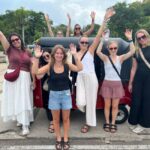
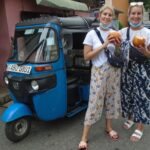
How the route works: 4 hours, short stops, big coverage
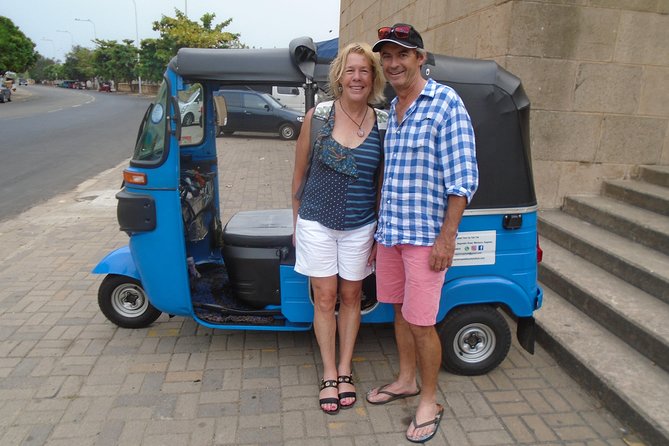
You’re looking at roughly 4 hours total with multiple stops, most around 15–20 minutes. That means you’ll see a lot of Colombo’s different faces in one go: markets and mosques in Pettah, religious landmarks around the center, and port-area sites at the end.
This structure is ideal if you have limited time or you want a first-day orientation. It’s also a good option when you’re traveling with kids, because short segments help keep attention from dragging.
The “all-inclusive” part is worth understanding in practical terms. The itinerary notes free admission for many stops, plus admission included for a few key sites. So you’re not constantly paying extra just to enter a gate and take a look.
Pettah Market: the fastest way to understand Colombo street life
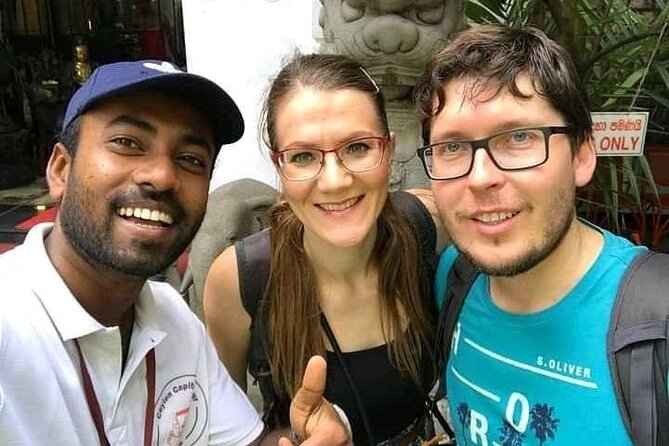
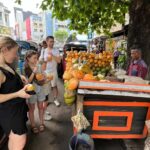
Your tour begins in Pettah, the neighborhood east of City Centre Fort. This is where Colombo feels like Colombo: markets, narrow lanes, and everyday commerce close to major landmarks.
Expect to see the Pettah Market area as a series of open-air bazaars and busy stalls. The goal of this stop is not shopping for hours. It’s orientation—helping you understand how people move, what goods are traded, and why this district is such an important part of the city’s daily rhythm.
A useful consideration: Pettah is active. If you’re sensitive to crowds, you’ll still be able to enjoy the atmosphere by focusing on specific visual targets—like the architecture around street corners and the mix of shops—rather than trying to browse every lane.
Red Mosque (Rathu Paliya): a splash of color inside the market maze
From Pettah’s main activity, the route includes a visit to a colorful mosque known as Rathu Paliya, sometimes called the Red Mosque. It’s described as being tucked into Pettah on a narrow second cross street, also referred to as Samman Kottu Palli.
What makes this stop interesting is how it contrasts with the surrounding commercial energy. You get a quick look at a religious landmark inside a dense market setting—one of those places where you can feel the layered identity of Colombo.
Time here is limited, so go with a simple plan: take a few good photos, look for distinctive features of the building, and ask your guide what to notice.
Galle Face Green: Colombo’s meeting place by the sea
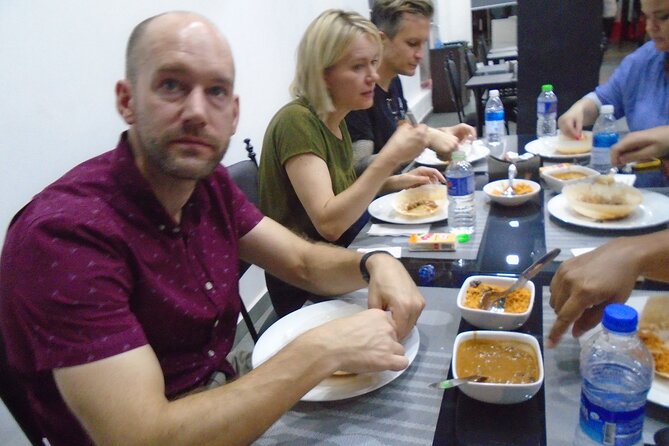
Next up is Galle Face Green, a long-running social spot in Colombo. The British are credited with making it a place for public interaction, but the space remains a daily hangout for locals.
This stop is valuable because it’s a breather. After the tight streets of Pettah, you get open space and sea air. It also helps you understand the city’s geography: Colombo’s waterfront is not just for postcards; it’s part of routine life.
If you’re visiting when the light is good, this is often where photos come together. Even if the weather shifts, the point is the setting—wide views, public energy, and a sense of how Colombo lives with the coast.
You can also read our reviews of more private tours in Colombo


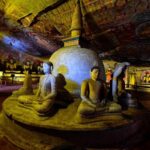

Zylen Tea factory outlet: taste Ceylon tea, then move on
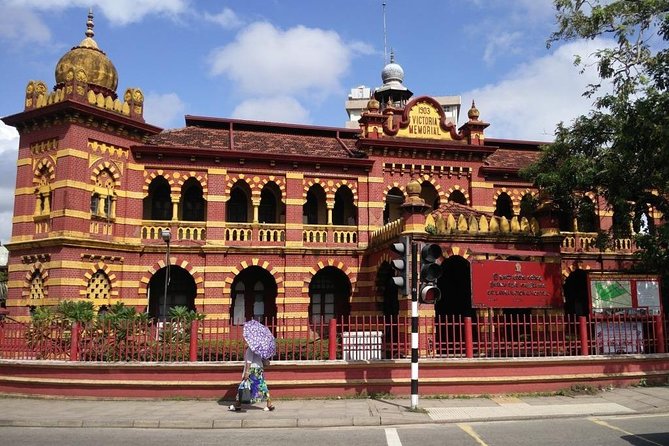
The tour includes Zylen Tea, described as a place where you can taste and buy pure Ceylon tea from a factory outlet. This stop is short—about 20 minutes—so it works like a sampler stop rather than a long tea lesson.
I like including this on a city tour because it gives you a practical souvenir that’s not just a magnet. Tea is deeply connected to Sri Lanka, and tasting before buying helps you understand what you actually want.
Possible drawback: if you’re not interested in tea purchases, you might feel a bit rushed here. Still, even a brief tasting can be useful. Consider it a quick cultural pause rather than a shopping spree.
Temple Of Sri Kailawasanathan Swami Devasthanam Kovil: one of Colombo’s older sacred sites
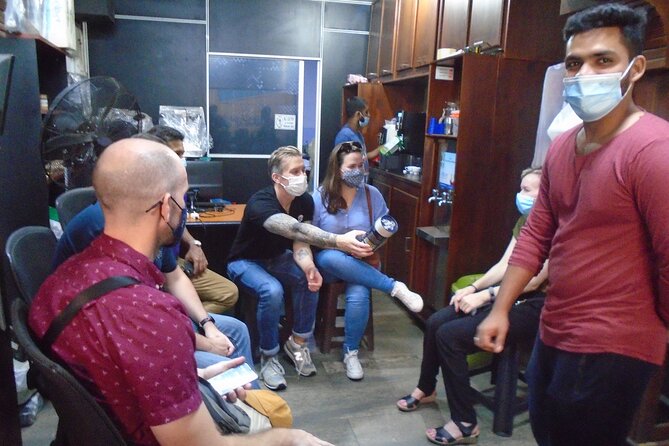
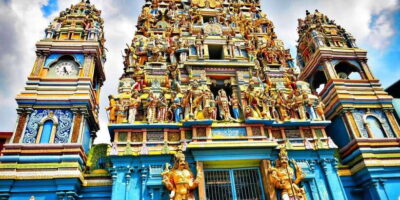
This stop is for Temple Of Sri Kailawasanathan Swami Devasthanam Kovil, built in the latter part of the 1700s. The kovils in Captain’s Garden, Maradana are believed to be among the oldest in Colombo, and the area is described historically as once being an island with Beira Lake waters surrounding it.
That background matters. When you’re inside or near older religious architecture, you’re not just seeing decorative features—you’re seeing layers of Colombo’s long timeline. Even with limited time, the age of the site gives the visit extra weight.
One practical tip: dress and behavior guidelines apply at religious places. If you’re unsure, follow what your guide does—simple, respectful, and low effort.
Old Town Hall (and Edinburgh Hall): colonial-era structure you can actually walk around
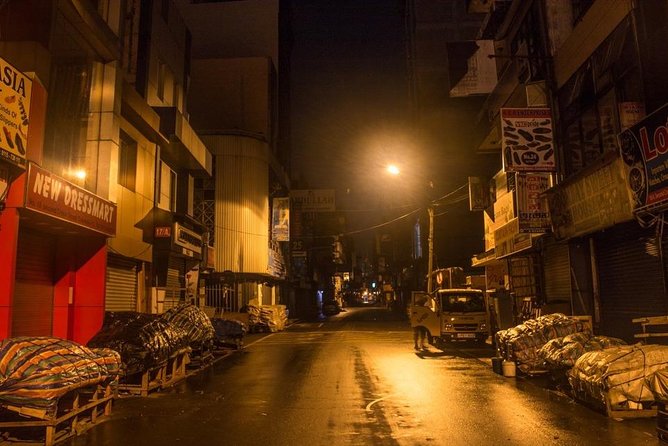
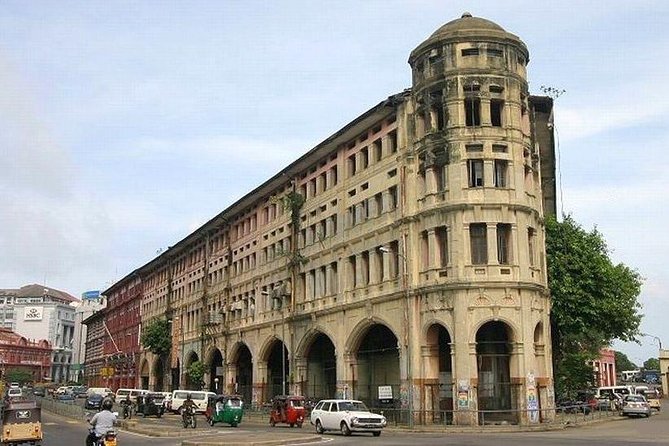
The itinerary includes Old Town Hall, along with the Edinburgh Hall and the Edinburgh Market designed as an extension to the main building. The tour notes that admission is included here.
This is a strong stop if you want a break from purely religious sites and you prefer built heritage. The Town Hall complex is tied to Colombo’s civic life—an easy place to connect the city’s present-day administration with its colonial-era architecture.
Time is only about 20 minutes, which means it’s best for a focused look: exterior details, key interior areas (if accessible), and quick context from your guide.
If you’re a design nerd, this will feel satisfying. If you’re not, it still works as a central landmark that helps you map Colombo in your mind.
Kayman’s Gate Bell Tower: what’s left of Colombo Fort
Kayman’s Gate, also called Kaiman Dorakada, is included next. It’s described as an entrance to the former Colombo Fort, located at the foot of Wolvendaal Hill in the Pettah district, and it’s known as a historic free-standing bell tower.
This stop is small in time (about 15 minutes), but it’s meaningful because it’s a physical remnant. It helps you visualize what the Fort area used to be, even though Colombo has grown far beyond those old boundaries.
If you want to understand colonial Colombo geography, this is exactly the kind of stop that helps. You see a landmark, then your driver-guide can connect it to the nearby Fort district without making you read a history book.
Colombo Fort: the business district that keeps the old name
After Kayman’s Gate, you’ll move into Colombo Fort, the business district with government buildings, banks, commercial ventures, major hotels, and department stores. It’s still called Fort because that’s what it once was.
This is less about quiet sightseeing and more about reading the city. You’ll see how Colombo’s financial core sits in the same general zone as its older fortifications and colonial-era structures.
A consideration: the Fort area can feel more “busy streets and big buildings” than “heritage slow walks.” It’s still worth it, though, because it adds contrast to your temple and market stops.
Christian Reformed Church of Sri Lanka (Wolvendaal Church): Dutch colonial architecture in use
This stop focuses on Wolvendaal Church, noted as a Dutch Colonial era building and one of the oldest Protestant churches still in Sri Lanka. The itinerary says admission is included, and the visit time is short (around 15 minutes).
What I like about this inclusion is that it broadens the religious spectrum beyond the temples and mosques. You get a different architectural language and a clearer picture of Colombo’s colonial-era influences.
Keep expectations realistic: with limited time, you’re not touring for hours. But you can still get a good sense of the building’s age and style.
Gangaramaya Temple: the big spiritual stop with real details
Gangaramaya Temple is one of the major highlights on the route, with admission included and about 20 minutes allocated. It’s described as famous for its imposing buildings, and the temple includes a chetiya, a bo tree, an image house, Simamalaka, and a relic chamber with relics of the Buddha and Arahat Seevali.
This is the kind of stop where your guide’s commentary can make the difference. If you pay attention to what each feature is for, you walk away with more than photos. You start to understand why visitors treat this temple as a major landmark.
A practical note: temples can be busy in parts of the day. If you want the calmest viewing, focus on stepping slightly away from the busiest viewing points and use your time to learn one thing well rather than trying to take everything in at once.
Independence Square and the end of the colonial timeline
The tour then includes Independence Square, a landmark meant to connect to Sri Lanka’s independence story. The description notes that many leaders from the struggle are gone, and what remains is a few tangible elements from colonial times.
This stop works best as a reflection moment between religious sites and the more modern waterfront. You also get an outdoor setting where you can reset your eyes and energy.
Time is about 20 minutes. Use it to look around the square, not just at a single monument, so you get the overall feel of the space.
Port City Promenade: reclaimed-land modern Colombo, under construction
Next is the Port City Promenade. Port City Colombo is described as a multi-services special economic zone currently under construction on reclaimed land adjacent to Galle Face Green.
This is a quick reality check stop. You’ve just seen older Colombo layers—fort remnants, churches, temples. Now you see the direction Colombo is pushing toward, even if some parts are still in progress.
Time is short (about 15 minutes), so it’s more about perspective than deep inspection. A good approach is to ask your guide how the promenade fits into the larger Port City idea, and then take photos with both the ocean and the construction context in frame.
Colombo Lighthouse and Maritime Museum: the port-side wrap-up
The last sequence leans into Colombo’s working waterfront.
First is Colombo Lighthouse, located at Galbokka Point south of the Port of Colombo along the waterfront. It’s operated and maintained by the Sri Lanka Ports Authority. Then you’ll visit the Colombo Port Maritime Museum, described as the Sri Lanka Ports Authority Maritime Museum on Chaithya Road, adjacent to the Colombo Port.
This pair is a smart ending because it ties the harbor visuals to a place that can explain them. Even if you don’t consider yourself a maritime person, the museum can add context for what you’ve just seen outside.
Time here is around 15–20 minutes per stop, so focus on the most informative areas and key displays. If you want more, this stop is also a “bookmark” for a return visit later.
Town Hall of Colombo and Viharamahadevi Park: civic Colombo meets a classic park
The itinerary also includes the Town Hall of Colombo and the Viharamahadevi Park (formerly Victoria Park). The Town Hall is described as the headquarters of the Colombo Municipal Council and the office of the Mayor of Colombo, built in front of Viharamahadevi Park. The park is described as next to the National Museum and one of Colombo’s oldest and largest public parks.
This part of the tour adds a calm, green counterpoint. It’s also a chance to see how civic space and public space sit together in the city’s center.
Practical note: park time can be weather-dependent. If the sun is strong, bring water and plan your walking route. If it rains, you’ll still benefit from the perspective and photos near the key entrances.
What you’ll get from the guides and the private format
A big theme behind the experience is smooth attention. The tour’s private setup means your driver-guide can adjust to your questions and pace, instead of trying to herd a larger group.
On the route, the guide also helps you notice what’s easy to miss. For example, at religious sites, the guide can point out what you’re looking at and how the architecture connects to local tradition. In the Fort area, they can connect historical landmarks to what’s nearby now.
If communication matters to you, the company behind the tour has shown strong responsiveness in feedback tied to other Colombo experiences. Names that come up in that context include guides such as Romesh, Maran, Caviar, Richard, and Cavin. Even if you don’t meet those exact people, it’s a sign that the operator pays attention to service.
Value check: is $70 per person a good deal?
At $70 per person for about 4 hours, the value comes from what’s included. You’re paying for private transport in an air-conditioned car plus hotel pickup and drop-off, which can easily add up if you cobble it together yourself.
You also get multiple stops that are either free or include admission. The tour lists admission included at Old Town Hall, Christian Reformed Church of Sri Lanka (Wolvendaal Church), and Gangaramaya Temple. That matters because you’re not guessing which stops will cost extra.
If you’re comparing options, consider how much it would cost to hire a car for four hours plus pay entry fees at a few major sites. For many people, this is the simplest way to buy time, comfort, and access in one bundle.
Who should book this tour, and who might want something else
This tour is best for you if:
- You only have half a day in Colombo and want a clear overview
- You prefer comfort and don’t want to manage transport on your own
- You like a mix of markets, religious sites, and civic landmarks
- You want port-area context at the end of your day
You might want a different option if you:
- Want long visits inside museums or temples
- Hate crowded streets and want a quieter, less market-focused route
- Have a strict schedule and cannot tolerate traffic delays
Should you book this Colombo City Tour by Car?
I think you should book it if you want a smart orientation in a limited time window. The mix of Pettah, major temples, Fort-area landmarks, and the port-side finish gives you a rounded sense of Colombo without turning your day into a travel marathon.
Go ahead if you’ll treat it as a first look. Then, when something really grabs your interest—like a church detail, a temple feature, or a waterfront view—you’ll be in a better position to plan a longer stop on a different day.
FAQ
How long is the Colombo City Tour by Car?
It’s about 4 hours.
What does the tour cost?
The price is $70.00 per person.
Is this a private tour?
Yes. It’s private, so only your group participates.
Do I get hotel pickup and drop-off?
Yes, pickup is offered, and the tour includes hotel pickup and drop-off.
Is there a mobile ticket?
Yes, it’s listed as having a mobile ticket.
Are there any admission tickets included?
Admission is listed as included for Old Town Hall, Christian Reformed Church of Sri Lanka (Wolvendaal Church), and Gangaramaya Temple. Other listed stops show admission as free.
What is the cancellation policy?
Free cancellation is available. You can cancel up to 24 hours in advance for a full refund.
What happens if the weather is bad?
The experience requires good weather. If it’s canceled due to poor weather, you’ll be offered a different date or a full refund.