REVIEW · COLOMBO
Vegan Cooking Class Colombo with Market Tour
Book on Viator →Operated by Ceylon Rustic Guide · Bookable on Viator
Spice shopping starts the fun. In Colombo, this private vegan cooking class pairs a local market visit with one-to-one chef instruction, so you learn Sri Lankan cooking the way it’s actually done. My two favorite parts: seeing how to pick vegetables and spice mixes in person, then cooking with clay pots that change the texture and taste. One thing to consider: the menu list includes items like chicken curry and buffalo curd, so if you’re strictly vegan (or avoiding dairy), you should flag it clearly at booking.
You’ll begin with a freshly made fruit juice or herbal drink at the villa, then head to the market to choose ingredients the way local families do. After that, the class focuses on hands-on work and understanding why each step matters, not just following a recipe.
In This Review
- Quick hits: what makes this Colombo class worth your time
- From fruit drink to market map: how the day actually flows
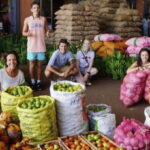
- The Colombo market tour: where you learn to choose spices like locals
- Clay pots in Colombo: the slow-cooking trick that changes everything
- One-to-one chef time: learning techniques you can reuse
- Your vegan-friendly menu choices: rice, curries, mallum, and extras
- What you’ll taste beyond cooking
- Value check: is $80 fair for Colombo cooking with a market?
- Who should book this vegan cooking class in Colombo
- Should you book the Colombo Vegan Cooking Class with Market Tour?
- FAQ
- How long is the vegan cooking class with market tour?
- How much does it cost?
- Is it a private experience?
- Where does the tour start?
- Where does the tour end?
- What time does it run?
- What should I wear?
- Is pickup included?
- What’s included in the price?
- Is it fully vegan?
- Is the experience weather dependent?
Quick hits: what makes this Colombo class worth your time
- Private, hands-on cooking where you’re not stuck watching others
- Market shopping with ingredient know-how, including how to choose vegetables and spices
- Clay-pot cooking using well-seasoned pots for tender, slow-cooked flavor
- Menu choices for rice, leafy salads (mallum), curries, and a finishing enhancer like papdum
- Q&A built into the pace, so you can ask about techniques and flavoring as you go
From fruit drink to market map: how the day actually flows
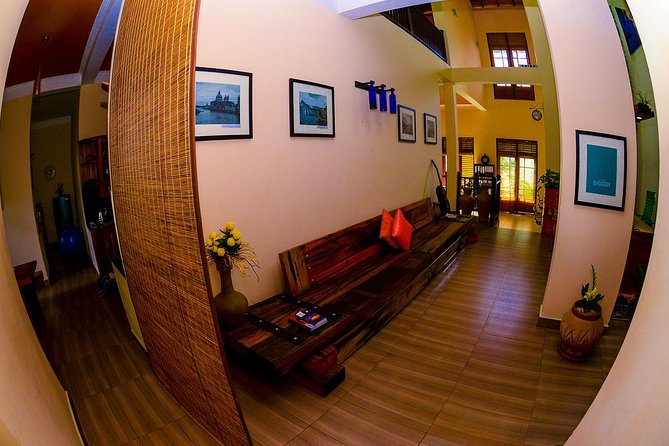
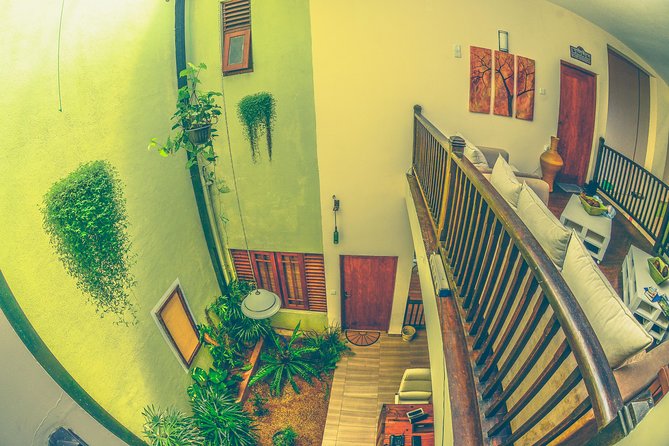
The experience starts in a calm way for a city tour. You’re welcomed at the villa with a freshly made fruit juice or an herbal drink. Then you check in, get refreshed, and head out for the market visit.
This villa setup matters because Colombo can feel intense fast. By beginning near Diyawanna Lake and in Colombo’s green belt area (about 9 km from the city center), you get a quieter head start before the market chaos of color, smell, and bargaining energy.
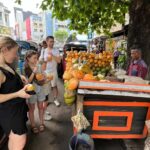
What you’ll do at the market is more than sightseeing. You’re there to learn how to choose what goes into Sri Lankan cooking. The guide will help you understand what to look for—especially for vegetables and spices—so you’re not just buying ingredients that look right. The class also frames the market like a hands-on education: it’s where you build your ingredient confidence.
One practical note: the market part can get a bit walk-heavy depending on how the group moves and what the day’s prices look like. Wear shoes you’re okay with getting scuffed, and expect you’ll be standing, browsing, and asking questions.
You can also read our reviews of more tours and experiences in Colombo
The Colombo market tour: where you learn to choose spices like locals
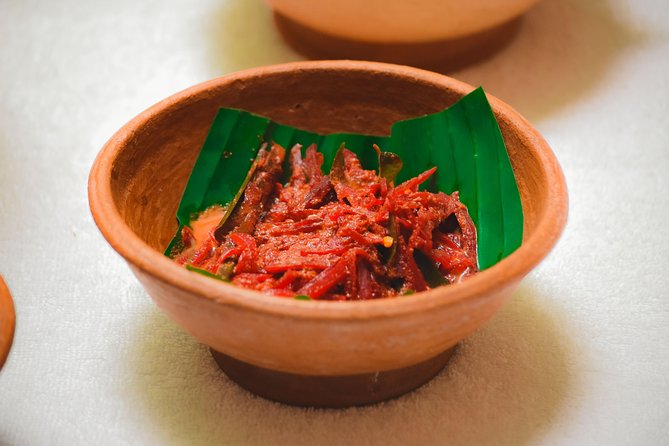
This is the heart of the experience. Sri Lankan cooking relies on spice mixes and the right fresh produce. Those details are hard to recreate if you buy ingredients “by guess” back home.
At the market, you’ll wander with a local guide and learn how to pick:
- vegetables that actually suit the dish you’re making
- spices and spice mixes used for local flavor profiles
- key ingredients that don’t always match what you find online
A helpful idea explained in the class: without seeing how locals select items, you won’t have the deep understanding needed to choose well. That sounds obvious, but it changes everything once you start cooking. You learn to think like a cook: What will this ingredient do when it hits heat? and Does it have the right freshness for the texture and aroma?
The market is described as similar to European eco-style shops in the sense that you’re shopping with a focus on quality and freshness. So if you like food markets more than tourist bazaars, you’ll probably enjoy this section a lot.
Clay pots in Colombo: the slow-cooking trick that changes everything
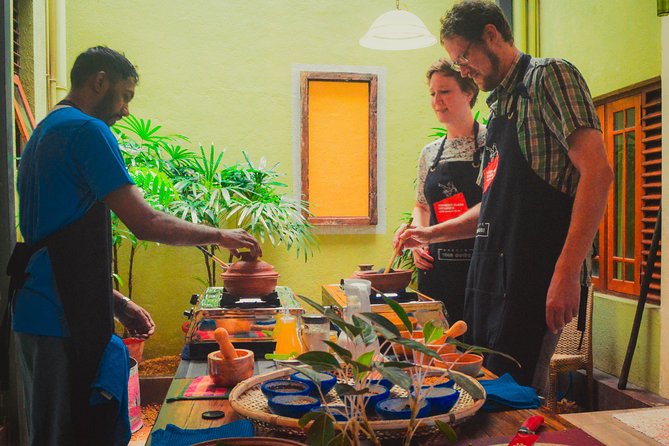
Then you move from buying ingredients to cooking with the method Sri Lanka has used for ages: clay pots.
The class emphasizes technically made and well-seasoned clay pottery. That seasoning and structure matter. Clay pots have porous walls. The idea is that they absorb water, which helps food stay tender and reduces the chance of drying out. This is why clay-pot cooking is a strong match for longer, slower cooking styles.
There’s also an explanation (shared by the team) that clay cooking can help food preserve longer due to antibacterial and acidic moisture factors. I can’t promise how that plays out in your home kitchen, but I can say this: the practical outcome is easier to notice—the texture and moistness feel different from what you get in standard metal or nonstick pots.
If you’ve never used a clay pot before, treat this as your hands-on lesson in a different cooking rhythm. Plan for attentive cooking times and follow the chef’s guidance closely—clay needs respect.
And because the class is private, you’re less likely to be lost in a crowd. You can ask what “slow” means for that pot and that specific dish.
One-to-one chef time: learning techniques you can reuse
The tour is built around private instruction, which is a big value point. It’s not just a show-and-tell. You’re guided through steps so you can understand what you’re doing—especially when you’re working with spice mixes and scratch components.
From the class approach described, everything is made from scratch inside the kitchen: sauces, paste, fillings, and appetizers. The chef keeps the session small enough that you can get your hands into the process, not just stand by a cutting board like a spectator.
This is where the language barrier gets addressed. The market tour is also framed as a way to overcome confusion while you’re dealing with unfamiliar ingredients. You’ll learn what names mean in context, and you’ll get help connecting ingredient choices to the final dish.
The best part of this kind of instruction is repeatability. When you know why you’re adding a spice mix at a certain time, you can reproduce the logic later—even if you can’t find the exact same product in your home store.
Your vegan-friendly menu choices: rice, curries, mallum, and extras
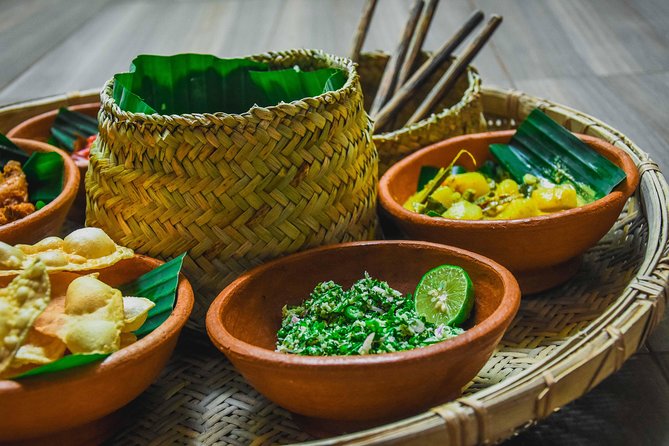
You’ll be able to choose elements of your menu rather than being locked into one script. That makes the class more useful for bringing home the flavors you actually like.
Here’s what the class offers you to choose from, based on the menu structure:
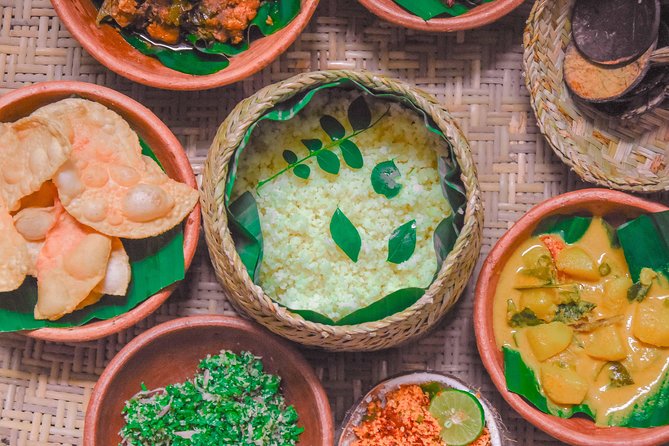
- One Sri Lankan rice option: White Rice, Yellow Rice, or Brown Rice
- One traditional curry option from the list: Sri Lankan Dhal curry, Sri Lankan Coconut Sambol, Sri Lankan Potato Curry, or Fried Mushroom
- One mallum (leafy salad) option: Gotukola, Mugunuanna, Gova Mallum, Kankun Mallum, or Aguna Kola Mallum
- Enhancer: Papdum
- Dessert: Tea/Coffee, plus options listed as buffalo curd with honey and tropical fruits
Two important cautions for strict vegans:
- The curry list also includes Sri Lankan Chicken Curry in the menu options. Even though the experience is described as vegan, you should confirm that your class menu will be fully vegan and that no animal products are used for your specific choices.
- Dessert includes buffalo curd with honey in the listed options, which is not vegan. Ask what dairy-free alternatives are available if you need them.
If you clarify dietary needs up front, the menu flexibility becomes a strength instead of a question mark.
You can also read our reviews of more shopping tours in Colombo

What you’ll taste beyond cooking
Food is the main event, but the day also includes drink and small extras.
You’ll start with a freshly made fruit juice or herbal drink at the villa. You’ll also have bottled water, light refreshments, and coffee and/or tea included as part of the experience.
The description also mentions tasting a local beer alongside mineral water. But the booking information lists alcoholic drinks (beers) as not included. So here’s the practical approach: treat it as a possible add-on or optional tasting, and don’t rely on it being included in what you paid. If you don’t drink alcohol, you won’t miss the point anyway—you’ll still get the full cooking education.
Value check: is $80 fair for Colombo cooking with a market?
At $80 per person for about 5 hours, the value depends on what you’re looking for.
This price feels fair if you want:
- Private, hands-on coaching rather than a group cooking demo
- Market shopping help that improves what you cook after you return home
- A clay-pot method you can’t easily learn from a standard cooking video
- Enough flexibility to choose your rice, leafy salad (mallum), curry type, and papdum
Where you should double-check for best value:
- Pickup: pickup is mentioned as offered, but “hotel pickup” is listed as not included. If you’re staying far from the meeting point, confirm how pickup works for your specific location.
- Dietary strictness: because the menu list includes at least a couple of items that may not match a strict vegan diet, your booking details matter.
- Drinks like beer: alcohol is listed as not included, even if a beer tasting is mentioned. Ask what’s actually on the menu for your session.
Included items are solid: taxes and fees, bottled water, light refreshments, coffee/tea, and a professional guide. That reduces the need for surprise expenses during the experience.
Who should book this vegan cooking class in Colombo
Book it if you:
- want a real Sri Lankan flavor education, not just a generic cooking class
- enjoy food markets and want to learn ingredient selection
- like hands-on cooking where you do the work
- want a private format for better Q&A (and faster clarification)
You might skip or adjust your expectations if:
- you’re not comfortable confirming dietary details early
- you want a mostly classroom-style explanation with minimal cooking (this is hands-on)
- you need hotel drop-off (that’s not listed as included)
Should you book the Colombo Vegan Cooking Class with Market Tour?
Yes, if you go in with the right mindset: show up ready to shop thoughtfully, cook actively, and ask questions about spices and technique. This is one of those experiences where the market tour isn’t just a warm-up—it directly improves how your dishes turn out.
My only “hold on” is dietary clarity. Because the menu list contains items that may conflict with vegan needs (like buffalo curd or chicken curry), send your requirements at booking and confirm what you’ll make. If you do that, the market-to-clay-pot approach becomes a strong, memorable way to learn Colombo’s cooking logic you can reuse back home.
FAQ
How long is the vegan cooking class with market tour?
It’s listed as approximately 5 hours.
How much does it cost?
The price is $80.00 per person.
Is it a private experience?
Yes. It’s private, and only your group participates.
Where does the tour start?
The meeting point is Travel Footprint -SrilankaKollupitiya, Colombo, Western Province, VW99+VCV, Sri Jayawardenepura Kotte, Sri Lanka.
Where does the tour end?
The activity ends back at the meeting point.
What time does it run?
The opening hours are Monday through Sunday from 9:30 AM to 3:30 PM.
What should I wear?
The dress code is smart casual.
Is pickup included?
Pickup is mentioned as offered, but hotel pickup is listed as not included. Confirm how pickup works for your accommodation.
What’s included in the price?
All taxes/fees/handling are included, plus bottled water, light refreshments, coffee and/or tea, and a professional guide.
Is it fully vegan?
You can advise specific dietary requirements at booking. There are menu items listed that may not match strict vegan needs, so it’s important to confirm your vegan requirements when you book.
Is the experience weather dependent?
Yes. The experience requires good weather. If it’s canceled due to poor weather, you’ll be offered a different date or a full refund.