REVIEW · COLOMBO
Colombo Cooking Class
Book on Viator →Operated by Colombo Cooking Class · Bookable on Viator
A good meal can be a lesson. This private Colombo cooking class turns Sri Lankan home cooking into hands-on skills you can use later. You cook with a real home cook (Piumi is named in one standout review), and you’re guided while you make at least 10 dishes plus traditional desserts.
I like the focus on technique over memorizing recipes. I also like that you sit down to eat what you make, so you’re not just standing around while someone else cooks. The only real drawback to consider is the pace: you’re learning a lot in about 3 hours, so expect it to feel busy rather than slow and relaxed.
You get a simple, practical way into Sri Lankan food culture: not menus, not scavenger-hunt dining. Just ingredients, instruction, chopping, tasting, and correcting as you go.
In This Review
- Key things to know before you go
- Sri Lankan home cooking, taught like people actually eat
- What you’ll cook: 10 dishes, curries, egg hoppers, and dessert
- Lunch at 10am or dinner at 4pm: timing that fits your day
- Where you meet in Angoda (and how the class ends)
- Private class energy: small-group attention without the crowding
- The real value of $60: ingredients, meal, and 3 hours of hands-on teaching
- What to look for on the day: taste, adjust, and ask questions
- Who this Colombo cooking class is for
- Should you book the Colombo Cooking Class?
- FAQ
- What is the duration of the Colombo Cooking Class?
- How much does it cost?
- Do I choose lunch or dinner?
- How many dishes will I make?
- Is it a private experience?
- Where do I meet?
- What kind of ticket do I get?
- Is free cancellation available?
- Can I bring a service animal?
Key things to know before you go
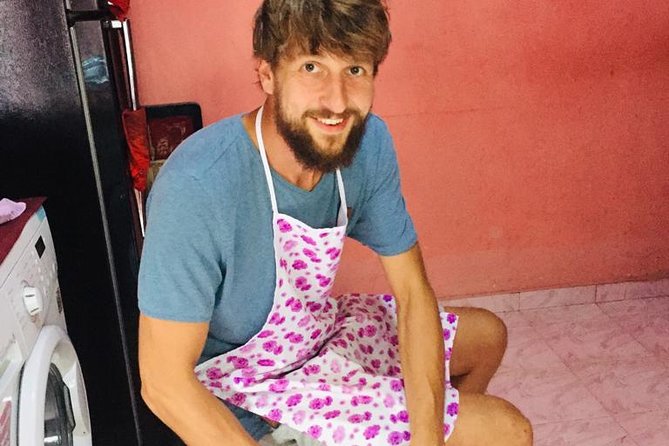
- Hands-on cooking with a home cook: You learn directly from someone who cooks Sri Lankan food at home
- At least 10 dishes plus dessert: You’re not leaving with only one or two items
- Lunch or dinner options: Daily sessions, with lunch starting at 10am and dinner at 4pm
- Ingredients included: You won’t have to guess what to buy or bring
- Private class for your group: Only your group participates, so questions aren’t squeezed out
Sri Lankan home cooking, taught like people actually eat
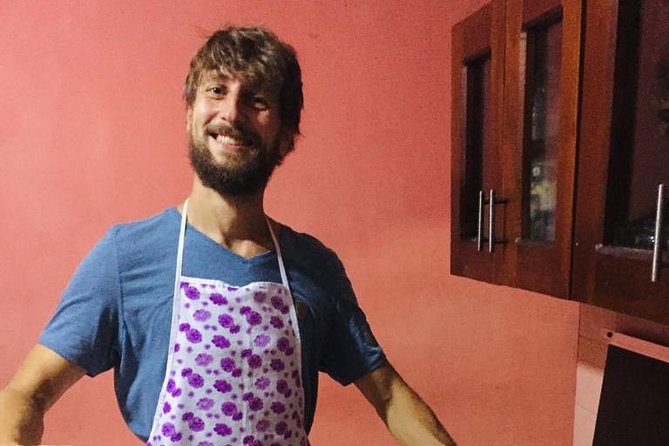
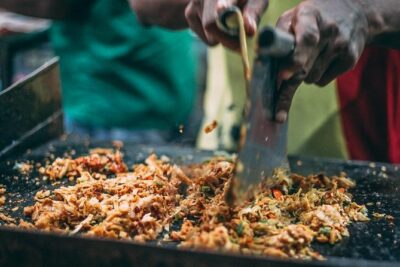
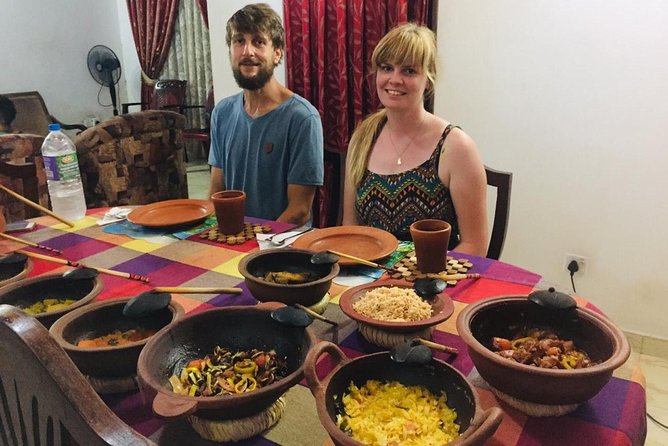
The best part of this class is that it’s built around the food people make at home, not a staged performance for tourists. You’re learning a core slice of Sri Lankan daily life through the way dishes come together: curry bases, spice balance, and how different dishes work as a set.
One review specifically calls out Piumi as an excellent cook and teacher, and the class clearly has a “teach as you cook” style. In plain terms: you’ll do the work, get guidance while you’re doing it, and taste as you go. That matters because Sri Lankan cooking has a feel to it. You can read about curry, but you learn faster when you’re adjusting thickness, salt, sour, and heat with your own hands and tongue.
This is also a solid pick if you like food that’s more than just spicy. Expect a mix of curries and favorites like egg hoppers, plus traditional desserts. It’s the kind of meal that makes you understand how Sri Lanka keeps variety on the table.
You can also read our reviews of more cooking classes in Colombo
What you’ll cook: 10 dishes, curries, egg hoppers, and dessert
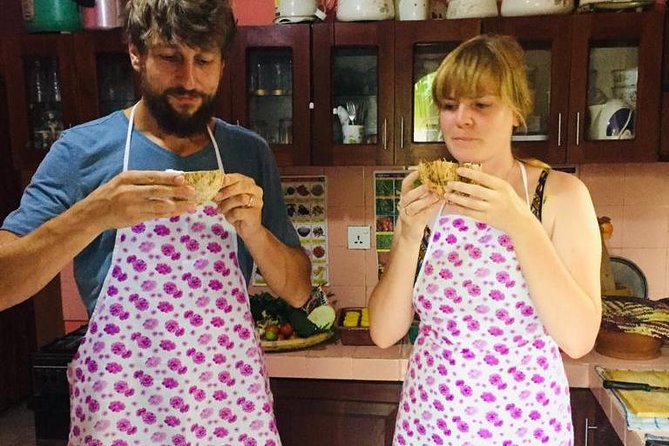
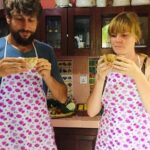
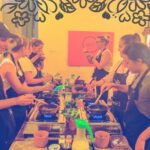
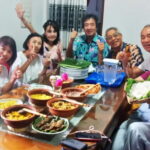
The headline is straightforward: you make at least 10 different dishes. The class also includes traditional desserts, so you’re getting both savory and sweet instead of ending with a token bite.
From the details provided, you can expect at least some of these categories:
- Curries (and multiple curry styles, not just one)
- Egg hoppers (called out as a beloved item)
- Desserts (explicitly included)
- Depending on the session and the class flow: options that can include fish curry, and at least one vegetarian-friendly outcome has been highlighted by a past participant
One vegetarian-focused review says the teacher guided a vegetarian cooking session with 10 different vegetarian curries, and the resulting lunch was delicious. That’s a good sign that the class isn’t rigid in a way that only works for one diet.
Now, here’s the practical value: the class isn’t just about which dishes you get. It’s about the method behind them. When you learn curry building blocks and how Sri Lankan dishes are balanced, you stop thinking of curry as a single recipe. You start thinking of it as a system you can adapt.
Lunch at 10am or dinner at 4pm: timing that fits your day
This cooking class runs every day, with lunch sessions starting at 10am and dinner sessions starting at 4pm. The time can shift depending on availability, so plan to confirm when you book.
The session is listed as about 3 hours. In that window, you’ll make multiple dishes and then eat what you cooked. That means there’s no long travel day built in, and you’re not waiting around for a show. It’s a focused meal-and-lesson format.
One thing to consider: because you’re making at least 10 dishes, the day’s rhythm moves. If you prefer slow, relaxed cooking where you take your time learning every step, you may find the pacing energetic. If you’re curious and hungry and want lots of hands-on action, that speed is a feature, not a bug.
Where you meet in Angoda (and how the class ends)
You meet at Colombo Cooking Class, No 275/1, B231, Angoda 10600, Sri Lanka. The experience ends back at the meeting point, so you’re not figuring out transportation after you’ve just filled up on lunch or dinner.
It’s also described as near public transportation, which is helpful in a city where getting door-to-door can get pricey. And if you travel with a service animal, the class notes that service animals are allowed.
A practical tip: if you’re staying somewhere in Colombo, give yourself enough time to reach Angoda without rushing. Cooking classes are the one activity where you really want to arrive calm, not sweaty from sprinting.
Private class energy: small-group attention without the crowding
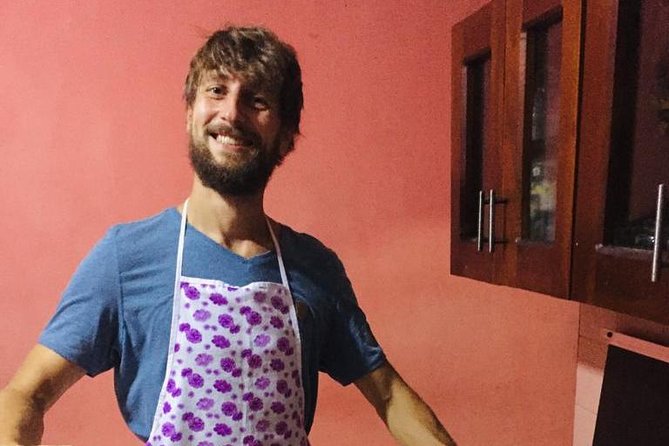
This is a private tour/activity, meaning only your group participates. That matters more than it sounds. In a crowded class, people often spend time waiting their turn. Here, you’re more likely to get direct help, especially if you have questions about taste, spice levels, or texture.
The private format also makes it easier to handle different comfort levels in the kitchen. Some people are chop-and-taste cooks; others need a bit more guidance before they’re ready to move on. When the class is private, there’s more flexibility in how you learn.
You also get a more personal connection to Sri Lankan cooking as a lived culture. One review describes it as a kind Sri Lankan family home setting and highlights learning not just cooking steps but cultural context too. You’ll likely come away understanding why certain dishes show up again and again, and how meals are built around flavor balance.
You can also read our reviews of more tours and experiences in Colombo
The real value of $60: ingredients, meal, and 3 hours of hands-on teaching
At $60 per person, the value is best understood by what you’re actually getting:
- A private, guided cooking lesson
- Ingredients included
- At least 10 dishes plus traditional desserts
- A sit-down meal after cooking
- About 3 hours of active instruction and time at the table
In many food tours, you pay to watch and sample a few bites. Here, you’re paying for a full practical cooking session that ends with a full meal. That’s why the math can work, even if it sounds higher than a casual street-food stop.
It also helps that you’re learning from a home cook rather than a commercial kitchen script. Techniques are easier to remember when they’re taught in a real rhythm—measure, taste, adjust, then move on.
If you’re the kind of person who buys cookbooks and never uses them, this class can flip that. You’re not collecting facts; you’re training your hands.
What to look for on the day: taste, adjust, and ask questions
You’ll get hands-on guidance, but you can still make the session work better for you. Here’s how to get the most out of 3 hours without stressing:
- Taste early and often. Curry and batter can change quickly, and tasting tells you what adjustment to make.
- Ask about balance. Sri Lankan curries are all about harmony: salty, sour, spicy, and aromatic together.
- Watch for texture clues. If something thickens too much, it affects everything that follows.
- Keep notes on what you adjust. Even a few quick scribbles will help you recreate the flavors later.
This class is also a great fit if you like vegetarian food—or you at least want to learn how vegetarian curries get their depth. A vegetarian participant in one of the provided accounts learned multiple vegetarian curries and ate a delicious lunch as part of the same experience. If you want to expand your Sri Lankan skills beyond meat-heavy curries, this format supports that learning.
Who this Colombo cooking class is for
This experience is especially worth it if you:
- Want real Sri Lankan home cooking rather than a restaurant menu lesson
- Learn best by doing, tasting, and correcting
- Like the idea of making a variety of dishes in one sitting (not just one signature recipe)
- Want a private setting where you can ask questions without feeling rushed
It’s less ideal if you:
- Prefer very slow, casual cooking where you won’t feel time pressure
- Expect a light snack style experience rather than a full meal and multiple dishes
Should you book the Colombo Cooking Class?
Yes, if you want a practical, cultural food experience where you come away knowing how to cook, not just what to eat. The combination of hands-on instruction, ingredients included, and a meal built from the dishes you make makes the $60 price easier to justify.
Book it particularly if you’re hungry for Sri Lankan flavors like curries and egg hoppers, and if you want to learn from a home cook such as Piumi, who’s specifically praised for teaching and results. You’ll get a concentrated 3-hour window where the learning sticks because you’re doing the cooking yourself.
FAQ
What is the duration of the Colombo Cooking Class?
The class runs for about 3 hours.
How much does it cost?
It costs $60.00 per person.
Do I choose lunch or dinner?
Yes. Lunch sessions start at 10am, and dinner sessions start at 4pm. Times can change based on availability.
How many dishes will I make?
You will make at least 10 different dishes, and the class also includes traditional desserts.
Is it a private experience?
Yes. It’s a private tour/activity, and only your group participates.
Where do I meet?
You meet at Colombo Cooking Class, No 275/1, B231, Angoda 10600, Sri Lanka.
What kind of ticket do I get?
You receive a mobile ticket.
Is free cancellation available?
Yes. You can cancel for a full refund up to 24 hours in advance of the experience start time.
Can I bring a service animal?
The tour notes that service animals are allowed.