REVIEW · COLOMBO
Authentic Sinhalese Cooking Class in Colombo with a Local Family
Book on Viator →Operated by Traveling Spoon · Bookable on Viator
Food lessons in a real home beat any demo.
If you want more than a recipe, this experience is for you. You meet Shasikala and her family in Dehiwala, tour a local market (if you choose), then cook three Sinhalese dishes in an old-fashioned home kitchen—right down to picking ingredients and tasting as you go.
Two things I really like: the Kirulapone Market stop adds real context for how local cooks choose produce and spices, and the private setup means you get hands-on help making a seasonal vegetable, coconut sambol, and fish or chicken curry from scratch. One drawback to consider: there’s no hotel pickup, so you’ll want an easy way to reach the meeting point near public transport.
In This Review
- Key highlights at a glance
- Why cooking in a Colombo home feels different than a class
- Meeting Shasikala in Dehiwala: what the start is really like
- Kirulapone Market with a local: how to think like a cook
- The hands-on cooking class: three dishes that teach the system
- Dish #1: a seasonal vegetable dish
- Dish #2: coconut sambol
- Dish #3: fish or chicken curry
- Customizing your menu (and special diets)
- What you’ll eat at the end: the meal is part of the lesson
- Price and value: does $148 make sense for 3 hours?
- Getting the most out of the experience (without overthinking it)
- Who should book this cooking class in Colombo?
- Should you book Authentic Sinhalese Cooking in Colombo with a Local Family?
Key highlights at a glance
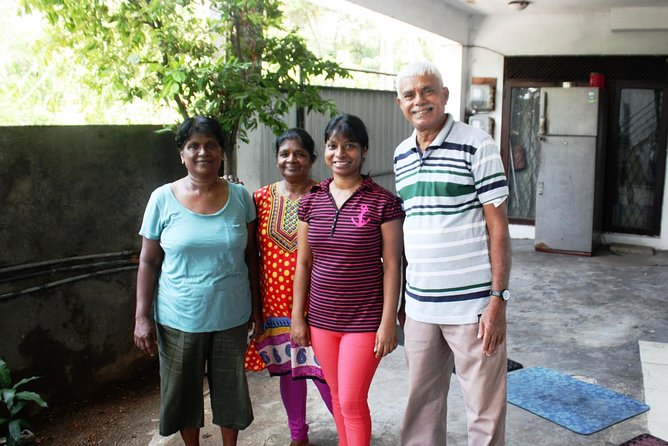
- Private class in Shasikala’s home in Bellanthara, Dehiwala, with family introductions
- Kirulapone Market option by tuk tuk, including walking stalls and tasting fruit
- Learn 3 Sinhalese dishes you choose, including coconut sambol and curry
- Hands-on, from scratch cooking (about 1 hour working in the kitchen)
- Lunch or dinner timing so you can fit it into your Colombo day
- Non-alcoholic drinks included, plus you eat the meal you cook
Why cooking in a Colombo home feels different than a class
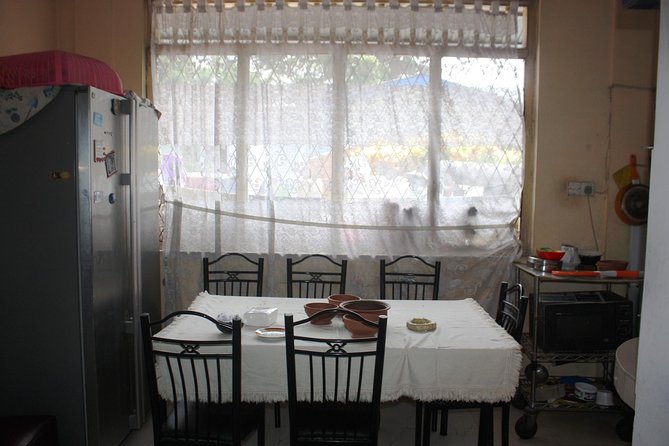
There’s a big difference between watching someone cook and cooking with someone who cooks every day. Here, you’re not treated like a class participant in an activity room. You’re invited into a family home, with the kitchen itself doing part of the teaching.
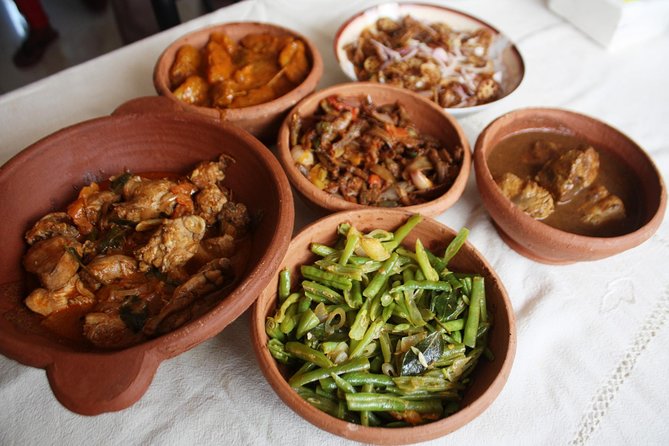
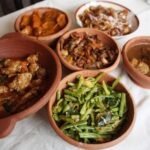
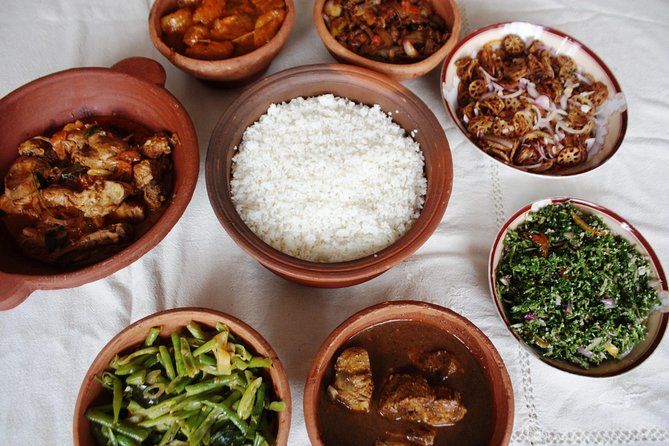
The meal is the proof. You’ll end up eating what you helped make: a combination of a seasonal vegetable dish, coconut sambol, and a curry (either fish or chicken, depending on what you choose). That matters because Sinhalese cooking is not just about one ingredient—it’s how flavors link together on a plate: sweetness and freshness, heat from spices, and coconut’s cooling body.
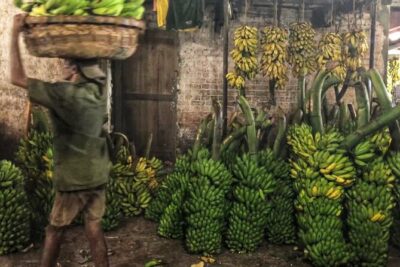
The market choice is also a plus. If you take the market option, you’ll walk through a local neighborhood market where people buy fruits, vegetables, spices, seafood, and meat. It’s the kind of stop that helps you understand why certain ingredients show up in certain dishes at certain times of the year.
You can also read our reviews of more cooking classes in Colombo
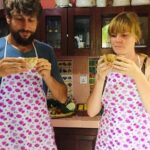
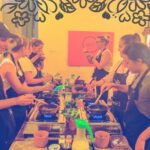
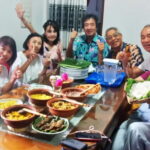
Meeting Shasikala in Dehiwala: what the start is really like
Your experience starts at Mayura Mawatha, Dehiwala–Mount Lavinia, Sri Lanka, and you’ll return there at the end. From there, you’re connected with Shasikala, who welcomes you into her family’s home in Bellanthara, Dehiwala.
Expect a warm, low-pressure welcome. You’ll likely begin with a drink such as milk tea or fresh juice, then you’ll meet the family and get oriented. This isn’t a big, scripted thing. It’s more like visiting, then learning how the kitchen runs—what the family likes to cook, what’s seasonal, and how they think about taste.
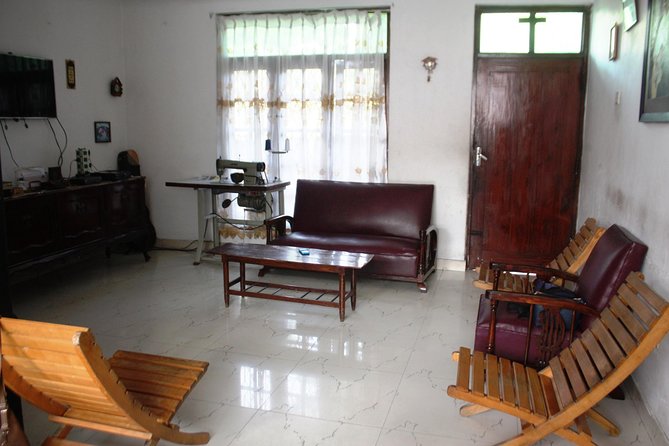
A practical detail that’s easy to overlook: the cooking happens in an old, traditional kitchen. That’s part of the authenticity, but it also means the space may feel more lived-in and traditional than what you’d see in a modern cooking studio. If you want lots of counter space and ultra-modern tools, this might not match that vibe. If you want real, you’ll probably love it.
Kirulapone Market with a local: how to think like a cook
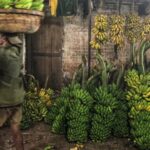
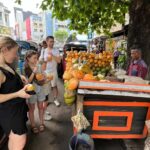
If you choose the market tour option, you’ll meet Shasikala first, then head to the market by tuk tuk. The destination is Kirulapone Market, a local place where vendors sell everyday ingredients—things you’d actually see in Colombo kitchens.
What you’ll do there is simple, but smart:
- Walk through stalls and take in the sounds, sights, and smells
- Taste a few locally grown fruits (you may be offered samples)
- Buy a seasonal vegetable that you’ll later cook together
This isn’t a shopping-for-souvenirs stop. It’s ingredient education. Sinhalese cuisine leans heavily on what’s growing and available, and that seasonal shift changes the flavor profile of the vegetable dish you’ll make. Even if you’ve cooked at home before, you’ll probably notice how much market choice matters once you’re preparing food yourself.
One extra advantage from the experience: you can also buy spices to take home if you want. That’s useful if you’re trying to recreate flavors later—especially the spice base that turns a curry from “okay” into something you want to make again.
The hands-on cooking class: three dishes that teach the system
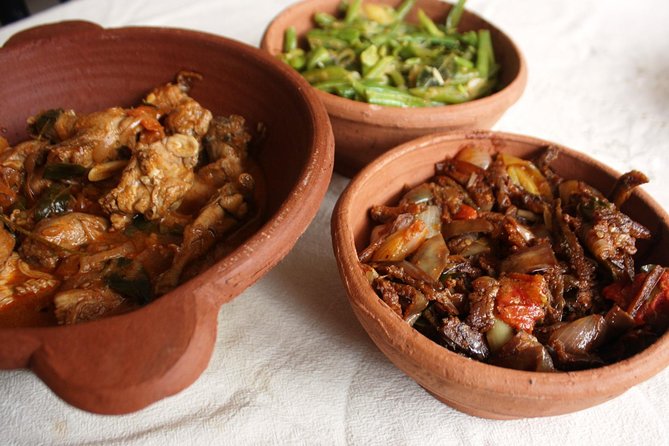
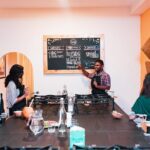
The cooking class is about 3 hours total, with roughly 1 hour hands-on in the kitchen. The kitchen time is where the real learning happens: you’ll cook three Sinhalese dishes of your choice, guided by Shasikala and taught in a home-style way that’s built around how the family cooks.
Dish #1: a seasonal vegetable dish
You’ll start with something vegetable-focused. Since the vegetable can be seasonal—and you may have picked it at the market—you get a dish that feels tied to the moment rather than a fixed recipe list. You’ll practice basics like working with fresh produce and building flavor without relying on shortcuts.
Why this matters: vegetarian plates in Sri Lanka aren’t just a side. They’re often a central part of the meal. Learning a seasonal veg dish helps you understand how spice and coconut balance with vegetables.
You can also read our reviews of more tours and experiences in Colombo
Dish #2: coconut sambol
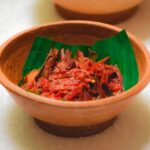
Then you move to coconut sambol. This one is the small but mighty component that brings the whole meal together. Even if you’re not an advanced cook, you’ll likely appreciate how coconut changes texture and tone—less sharp than some condiments, more rounded.
Also, sambol is one of those things where technique shows. You’ll learn how to combine and shape flavors so it tastes like something you’d eat in a Sri Lankan home, not like a generic coconut mixture.
Dish #3: fish or chicken curry
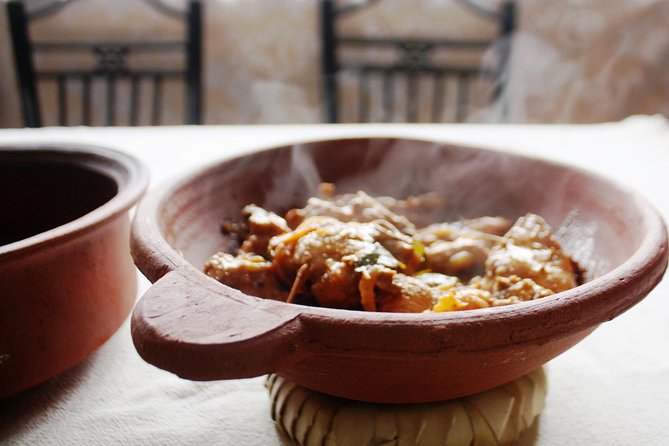
Finally, you’ll make a curry—either fish or chicken (your choice). Curry is where Sinhalese cooking gets expressive: the spice mix, the aromatics, and the simmer all work together.
You’ll also get practice thinking about doneness. Fish and chicken aren’t cooked the same way, so the guidance matters. The goal isn’t just to finish a dish—it’s to understand how the curry develops.
And yes: you’ll taste and adjust during the process. That’s how you learn what the dish is supposed to taste like, not just how it’s made.
Customizing your menu (and special diets)
A big selling point is that you can customize your menu. If you have dietary needs, Shasikala can offer vegetarian, vegan, and halal meals on request—so you don’t have to force yourself into a fish-and-chicken version if it doesn’t fit your needs.
If you have allergies or specific cooking preferences, you’re asked to advise at booking. Do that early. It’s the difference between a class that feels comfortable and one that becomes stressful mid-cook.
What you’ll eat at the end: the meal is part of the lesson
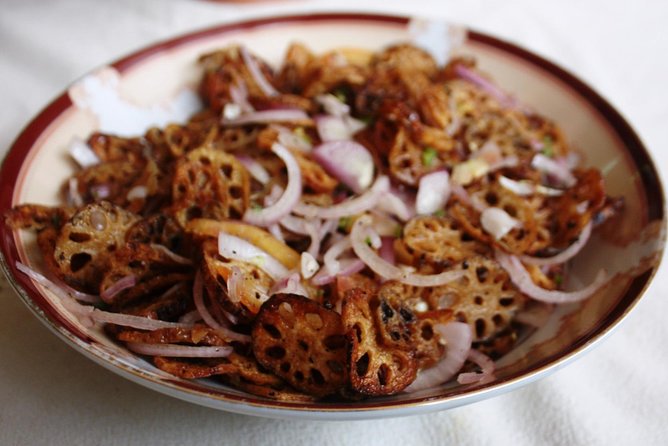
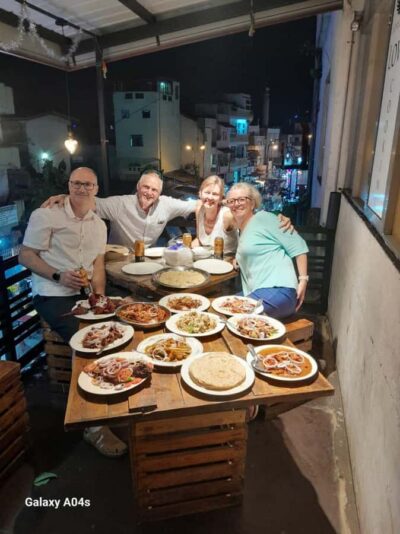
After the cooking, you’ll eat the meal you helped prepare. This is where the experience earns its value. You’re not just learning recipes for future use—you’re tasting today’s results with the people who made it part of daily life.
In the home environment, the meal can feel more personal. I like that you’re given non-alcoholic beverages along the way, so you’re not stuck with nothing to drink while you cook and then eat.
And the best part: you leave with flavors you’ve actually built yourself. When you cook coconut sambol and then eat it alongside your curry and seasonal vegetable, you understand how they work together on a plate.
From what I’ve learned about how this family runs the class, the extra touches matter. One standout detail from recent experiences: people have received fresh herbs to take home, and Shasikala has also arranged tuk tuks so you can get back quickly and safely. That kind of practical kindness makes the whole day feel cared for.
Price and value: does $148 make sense for 3 hours?
At $148 per person for about 3 hours, you’re paying for something more personal than a typical group cooking demo. This is a private class in a local home, with:
- ingredient shopping time if you choose the market option
- hands-on cooking of three dishes
- a meal you helped cook
- non-alcoholic beverages included
- taxes and fees included, plus gratuities included
So the value comes from the combination: private attention + market context + real cooking in a family kitchen. If you’re the kind of traveler who wants to bring something home beyond photos, this kind of class can be worth it even when the price feels high compared to a busier, commercial option.
Also, you’re in Colombo. Most travelers spend time in restaurants, then leave. Here, you learn how the meal is built. That makes the cost easier to justify because you’re not just consuming—you’re learning a repeatable skill set.
One more detail: you’ll get a mobile ticket and there are group discounts. If you’re traveling with someone, the private value can feel even stronger.
Getting the most out of the experience (without overthinking it)
This is not a commercial cooking show. It’s a visit into a local’s home where you’re learning with an expert host. That affects your expectations.
Here’s how to get the best day:
- Go hungry, then save room for the full meal you cook.
- If you have dietary needs, message them clearly at booking so the kitchen plan can match your requirements.
- If you’re curious about spices, take advantage of the market visit. It’s the easiest place to buy what you tasted and want again later.
- Expect a traditional home kitchen. Comfortable shoes help if the path and kitchen floor aren’t polished like a studio.
You might also want to think about timing. Lunch or dinner options can change the feel of the day. If you’re pairing this with other Colombo plans, choose the time that lets you settle in without rushing.
Finally, remember this is a small group setup: it’s private, and only your group participates. That can make a big difference if you want questions answered in real time, without waiting your turn.
Who should book this cooking class in Colombo?
This class fits well if you:
- want Sinhalese home cooking, not generic international food lessons
- care about market-to-plate understanding (the ingredient story)
- prefer a private experience over crowded group tours
- want practical meals you can recreate later: sambol, curry, and a vegetable dish
It may be less ideal if you:
- need a fully modern, studio-style kitchen with lots of space and equipment
- strongly rely on hotel pickup and don’t have an easy way to reach the meeting point
Should you book Authentic Sinhalese Cooking in Colombo with a Local Family?
If you like your travel hands-on—food you cook, ingredients you choose, flavors you can repeat later—this is a strong yes. For the price, you’re buying privacy, a family setting, and the chance to learn three dishes that actually form a coherent Sri Lankan meal. The market option is the icing, because it teaches you why the cooking works, not just what to do.
If you’re willing to get yourself to the meeting point and enjoy cooking in a traditional home kitchen, you’ll likely find this one of the most satisfying things to do in Colombo.