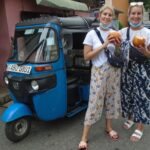
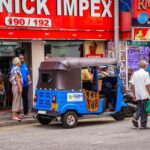
A tuk-tuk route through Colombo surprises fast. You’ll cover major cultural stops in 3 to 4 hours, with hotel pickup/drop-off and a driver-guide to connect the stories. It’s an easy way to see temples, churches, forts, and ocean views without wrestling with the city on your own.
I especially like how this tour mixes religious landmarks with Fort-area colonial buildings in one tight loop. You also get a practical setup: private transport, bottled and coconut water, and included entrance fees for several key sights.
One consideration: Gangaramaya Temple and the Sri Kailawasanathan Swami Devasthanam Kovil have admission fees not included, so you’ll need a little cash on the spot (Gangaramaya is listed as $2 per person).
In This Review
- Key highlights worth planning around
- Why this Colombo tuk-tuk loop works so well
- Price and logistics: what the $30 really buys
- Expect small pay-on-site moments
- Temple stops: the soul of Colombo at Gangaramaya and Sri Kailawasanathan
- Colombo’s Fort monuments: clock tower, old parliament, old town hall, lighthouse
- A balanced reality check
- Muslim and Buddhist icons: Jami Ul-Alfar Mosque and Sambodhi Chaithya
- Green space and sea air: Galle Face Green and Viharamahadevi Park
- Colombo’s vertical landmark and the tea + crafts break
- Where the route pacing feels comfortable (and where it might not)
- Who this tour suits best
- Should you book the Colombo Heritage and Cultural Temples tour?
- FAQ
- How long is the Colombo Heritage and Cultural Temples Tour by Tuk Tuk?
- Is this tour private or shared?
- Do you get hotel pickup and drop-off?
- What attractions have entrance fees included?
- Is Gangaramaya Temple free to enter?
- Are meals included?
- Does the tour require good weather?
- What’s the cancellation window?
Key highlights worth planning around
- Private tuk-tuk time: your group rides together, so you’re not stuck in a mass shuffle.
- Pickup and drop-off: you start and end at your hotel for a low-stress half-day.
- Big sight coverage in hours: Fort icons, religious sites, parks, and the coast all fit.
- Included entry fees for several stops: the tour covers multiple attractions inside the route.
- Tea and crafts stop: you get a dedicated break at a Sri Lanka tea shop and a state-run souvenir showroom.
- Guide support that sets the tone: reviews praise clear communication and guides like David and Selin for making solo visitors feel safe.
Why this Colombo tuk-tuk loop works so well
Colombo can feel like a city of “quick turns” when you’re on your own. Traffic, distances, and scattered landmarks make it hard to string together a meaningful day. This tour solves that by putting you in a tuk-tuk with a driver-guide who knows the order and the pace—so you can spend your time looking, not negotiating.
I also like the way the route builds variety. You’re not just doing one type of stop. You’ll go from Buddhist and Hindu sites to mosques, churches, and colonial-era buildings, and then finish with open-air space at Galle Face Green and Viharamahadevi Park.
The private aspect matters too. In a city like Colombo, a calm, on-your-timing tour is often the difference between seeing a lot and actually absorbing it.
You can also read our reviews of more historical tours in Colombo
Price and logistics: what the $30 really buys
At $30 per person, you’re paying for more than seats in a vehicle. You’re getting private transportation, bottled water, coconut water, and fuel surcharge coverage. You also get included entrance fees at several major stops—plus a mobile ticket and hotel pickup and drop-off.
Here’s where value gets a little more real: the tour’s length is short enough (3 to 4 hours) that you can fit it into an arrival day or a “do the essentials” morning. You don’t have to spend hours planning separate tickets, separate local transport, and separate time slots.
Expect small pay-on-site moments
Two entrances are listed as not included:
- Gangaramaya Temple: $2 per person paid on site.
- Temple of Sri Kailawasanathan Swami Devasthanam Kovil: admission not included (amount not specified).
Everything else in the route has entrance fees included for the specific stops listed in the tour inclusions (for example, Independence Memorial Hall and Jami Ul-Alfar Mosque).
Temple stops: the soul of Colombo at Gangaramaya and Sri Kailawasanathan
The tour starts where Colombo’s religious identity is easiest to feel. Gangaramaya Temple is a Buddhist temple in the center of the city. The key for you is the atmosphere: it’s a place where faith and daily life overlap, not a museum-style exhibit. It’s also one of the only clearly identified pay-on-site stops in the route, at $2 per person.
A few minutes later you shift into Hindu worship at Temple of Sri Kailawasanathan Swami Devasthanam Kovil, located on Sea Street and dedicated to Lord Shiva. This is one of those stops that helps you understand Colombo as a layered city, not a single-cultural postcard.
Practical tip: since you’re hopping between active religious sites, keep your camera ready but your behavior respectful. If you see rules at entrances, follow them without debate—most places make it pretty clear.
Colombo’s Fort monuments: clock tower, old parliament, old town hall, lighthouse
Then the route leans into the city’s older power centers. You visit Colombo Fort Clock Tower, tied to the colonial past of the Fort area. Even if you only catch a few photos, the clock tower works as a “time marker” for how Colombo expanded and organized itself around trade and administration.
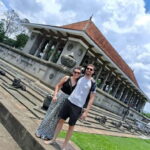
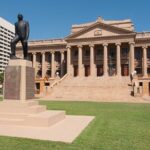
From there you’ll pass Old Parliament Building (a neoclassical building completed in 1930). The value here is the quick context: it’s the kind of landmark that looks “official” from a distance, but becomes more meaningful when you’re told what it was and how it connects to the city’s political story.
Next is Old Town Hall, dating back to 1865. It gives you another layer of the Fort story: administration and civic organization. If you like architecture, this is one of the segments where you’ll feel the tour is doing more than checking boxes.
Finally, you reach Colombo Lighthouse, originally built in 1867 and later replaced in 1913. This stop matters because it links the Fort area to the harbor, and it gives you a sense of how Colombo’s maritime life shaped the city.
A balanced reality check
Fort-area stops are efficient, but they’re also quick. If you want to linger for long interior visits, a 3 to 4 hour private tour may feel tight. The upside is that you’ll still see the big anchors, and your guide can point you toward what’s worth returning to later.
Muslim and Buddhist icons: Jami Ul-Alfar Mosque and Sambodhi Chaithya
Colombo isn’t one faith, one skyline, one mood. This part of the tour shows that right away.
Jami Ul-Alfar Mosque is described with its striking red-and-white striped façade. That exterior is a major photo magnet, but the stop is more than a picture: it’s an easy way to understand Colombo’s coastal-civic layout, where religious landmarks often sit close to daily streets.
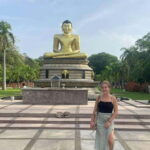
After that, you’ll visit Sambodhi Chaithya, a Buddhist stupa near the city center. Stupas tend to slow the pace, even when you only spend about 15 minutes here. This stop works well if you want a calmer counterweight to the busy-looking streets you’re already moving through.
Green space and sea air: Galle Face Green and Viharamahadevi Park
After buildings and institutions, the tour gives you outdoor breathing room.
Galle Face Green sits along the oceanfront and functions like a city living room. You get a short window to feel the sea breeze and watch the rhythm of Colombo from the promenade. Even a brief stop helps—because it stops the day from feeling like only stone and doors.
Then comes Viharamahadevi Park, named after Queen Viharamahadevi. It’s another place to step away from traffic and focus on open space. If you’re the kind of traveler who gets temple fatigue quickly, this is a nice reset.
Colombo’s vertical landmark and the tea + crafts break
One of the smartest parts of this tour is that it doesn’t only chase monuments. It includes a couple of practical “Colombo today” stops.
At Colombo Lotus Tower, you’ll get a look at one of Sri Lanka’s most recognizable modern landmarks: it’s listed as the tallest structure in Sri Lanka at 350 meters. Even if you don’t go inside (your time is limited), the stop works as a clear visual break from historic Fort scenery.
Then you head to Ceylon Tea Supermarket on Deans Road. This is a full 30-minute stop, which is generous for a sightseeing tour. It’s a good place to smell and compare tea choices—especially if you want to bring home something Sri Lanka-specific that isn’t just a magnet.
From there, the tour ends with Laksala, the state-run handicrafts showroom. This is where the souvenirs become more intentional. Instead of wandering random shop streets at the wrong moment, you get one focused place designed for browsing and buying.
Where the route pacing feels comfortable (and where it might not)
A theme of the stops is “short but meaningful.” Many visits are timed around photo + context rather than long stays. That fits the overall goal: cover a lot of Colombo in 3 to 4 hours.
If you’re traveling with limited energy, this pacing is a strength. Reviews also mention the tour feels well-coordinated and that the driver arrives on time and keeps things running smoothly. Guides named David and Selin come up specifically in feedback, with praise for friendliness and for solo travelers feeling safe.
If you want slow travel, plan to treat this as your introduction day. I’d use it to get oriented, then pick one or two places to return to later based on what grabs you.
Who this tour suits best
This tour is a strong match if:
- you’re in Colombo for only a short time and want the major landmarks connected into one plan
- you prefer a private guide who can explain what you’re seeing without the stress of self-navigation
- you’re traveling solo and want a friendly, supported day (solo comfort is explicitly mentioned in reviews)
- you like a mix of faith sites and historic civic buildings, plus a final chance to buy crafts and tea
It’s less ideal if you’re expecting long temple visits or deep interior access at every stop. The tour is built for a half-day overview, not a multi-day slow exploration.
Should you book the Colombo Heritage and Cultural Temples tour?
I think you should book it if you want a fast, structured introduction to Colombo’s culture and key landmarks without spending your vacation wrestling with directions. The private tuk-tuk, hotel pickup/drop-off, and included entrance fees for several stops make the price feel reasonable. And the route is built around variety, so you’re not stuck with only one kind of sightseeing.
Book it with one mindset: this is a highlight reel with context. If you take notes on what you love—temples, Fort architecture, sea air, tea, crafts—you’ll be set up to plan a second visit later, on your own terms.
FAQ
How long is the Colombo Heritage and Cultural Temples Tour by Tuk Tuk?
It runs about 3 to 4 hours.
Is this tour private or shared?
It’s a private tour, and only your group will participate.
Do you get hotel pickup and drop-off?
Yes, hotel pickup and drop-off are included.
What attractions have entrance fees included?
Entrance fees are included for Independence Memorial Hall, Jami Ul-Alfar Mosque, Sambodhi Chaithya, Colombo Fort Clock Tower, Wolvendaal Church, and Colombo Lighthouse (as listed in the included items).
Is Gangaramaya Temple free to enter?
No. Gangaramaya Temple admission is not included, and it’s listed as $2 per person paid on site.
Are meals included?
No lunch or dinner is included.
Does the tour require good weather?
Yes. The experience requires good weather, and if it’s canceled due to poor weather you’ll be offered a different date or a full refund.
What’s the cancellation window?
Free cancellation is available up to 24 hours in advance for a full refund.