REVIEW · COLOMBO
Sri Lanka Private 3-Day Cultural Tour, 5 UNESCO Sites
Book on GetYourGuide →Operated by Serendipity tours (private) Limited · Bookable on GetYourGuide
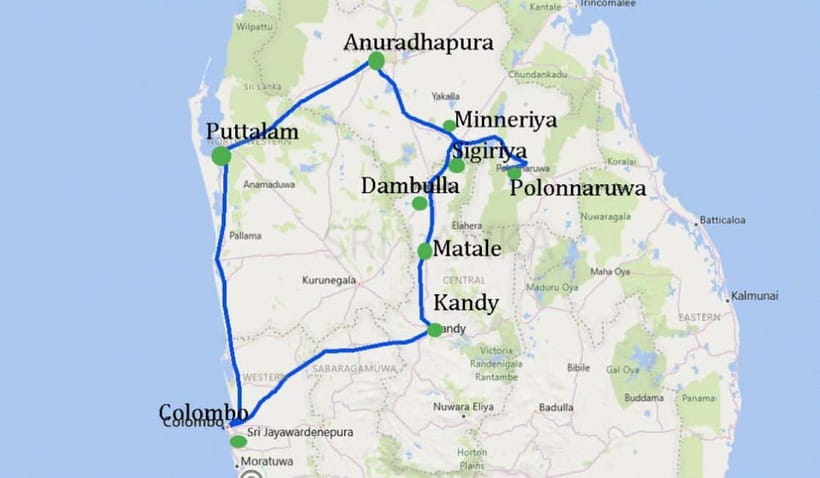
Five UNESCO wonders, three days, one calm plan. I like that this tour runs as a private experience with an English live guide, so you’re not just looking at monuments—you’re getting the customs and context that make them make sense. You’ll also get comfortable transfers in an air-conditioned vehicle and guided time at the big sites.
What I really enjoy is the way the days are built around two anchor areas: you stay overnight in Sigiriya, which keeps the pace from turning into a nonstop bus day, and you add a Minneriya-style off-road jeep safari for wildlife contrast. One drawback to plan for: the itinerary moves fast and temple rules are strict (dress code, shoe removal, silence), and key costs like UNESCO entry fees and the Minneriya jeep/safari fees are not included, so your total budget can climb.
In This Review
- Key moments that make this tour worth your attention
- Why this Cultural Triangle sprint works in 3 days
- Day 1: Anuradhapura’s sacred cities and an overnight in Sigiriya
- Day 2: Sigiriya climb, Polonnaruwa temples, and Minneriya jeep safari
- Morning and late morning: Sigiriya Rock Fortress
- Afternoon: Polonnaruwa’s stone monuments
- Late day: off-road jeep around Minneriya Lake
- Day 3: Matale spice garden, Dambulla Golden Temple, and Kandy’s Tooth Temple
- UNESCO sites: what you’ll actually see (and what to look for)
- Sigiriya
- Anuradhapura
- Polonnaruwa
- Dambulla
- Kandy
- What makes the private guide experience work (and where it can get annoying)
- Price and real value: what $490 covers, and what to budget extra
- Temple etiquette and packing: rules you’ll want to respect
- Should you book this tour?
- FAQ
- How many UNESCO sites are included?
- How long is the tour?
- What is the price per person?
- Where does the pickup happen?
- What language is the tour guide?
- Are entrance fees included?
- Is the Minneriya safari included?
- What meals are included?
- Can I take photos inside the temples?
- Is this tour suitable for wheelchair users or mobility impairments?
- Is there free cancellation?
Key moments that make this tour worth your attention
- Sigiriya Rock climb plus the surrounding viewpoints, not just a quick stop
- Anuradhapura’s Atamasthana sacred sites, with plenty of time to understand what you’re seeing
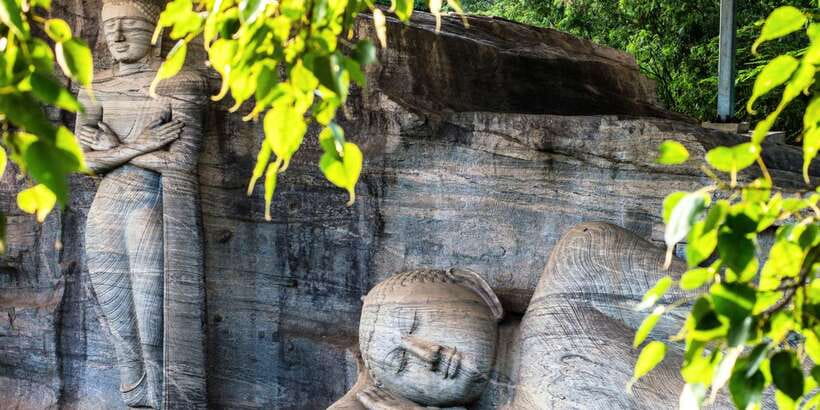
- Polonnaruwa’s stone Buddha works and major temple remains in one guided sweep
- Golden Temple of Dambulla murals and statues (more than 150 Buddha figures)
- Minneriya jeep safari option right after Polonnaruwa, when timing and availability allow it
Why this Cultural Triangle sprint works in 3 days
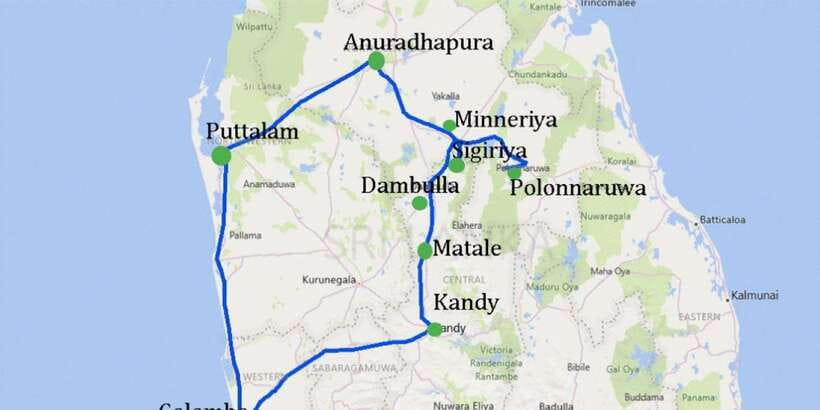
Sri Lanka’s Cultural Triangle can feel like a lot of driving if you plan it yourself. This tour’s main value is that it strings the UNESCO highlights together in a tight loop, with a guide to interpret religious art, ancient city design, and the everyday meaning of places you may otherwise read like names on a map.
It also keeps your nights sensible: you base yourself in Sigiriya for 2 nights. That matters because you’re repeating travel time less than if you changed hotels every day. You still move a lot, but you don’t end each evening exhausted from fresh packing and re-check-ins.
The tradeoff is the pace. Three days means early starts, lots of temple steps, and plenty of “short but meaningful” time at each stop. If you hate rules in sacred spaces, or if you want leisurely wandering with long lunch breaks, you’ll feel the schedule.
You can also read our reviews of more private tours in Colombo
Day 1: Anuradhapura’s sacred cities and an overnight in Sigiriya
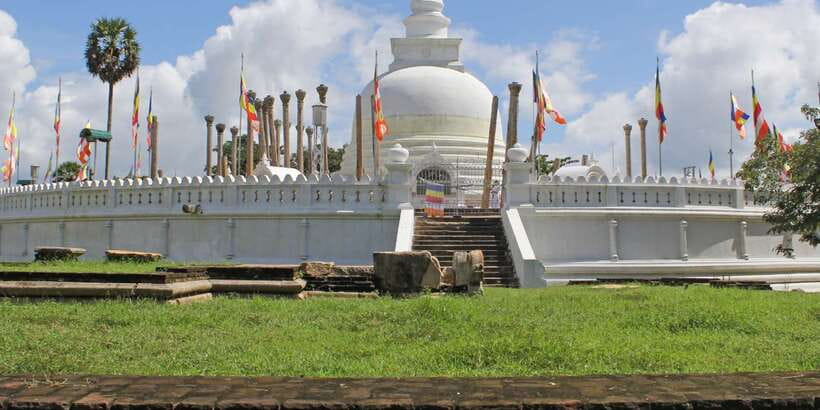
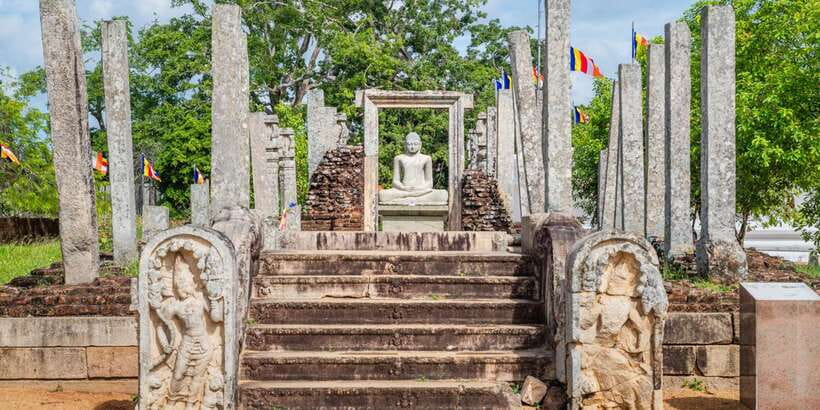
The day starts with pickup from Colombo, then it’s on to Anuradhapura, Sri Lanka’s older spiritual and royal center. You get a guided city tour packed with the kinds of ruins and monuments that tell you how a civilization organized its faith and power: Buddhist temples, dagobas, palaces, gardens, and major structures scattered through the city.
A highlight on this day is the focus on the eight most sacred Buddhist sites known as the Atamasthana:
- Jaya Sri Maha Bodhiya
- Ruwanwelisaya
- Thuparamaya
- Lovamahapaya
- Abhayagiri Dagaba
- Jetavanarama
- Mirisaveti Stupa
- Lankarama
For you, the advantage is simple: you’re not just checking off big names. Your guide helps you connect them—why certain sites matter, what the architecture signals, and what religious visitors do when they arrive.
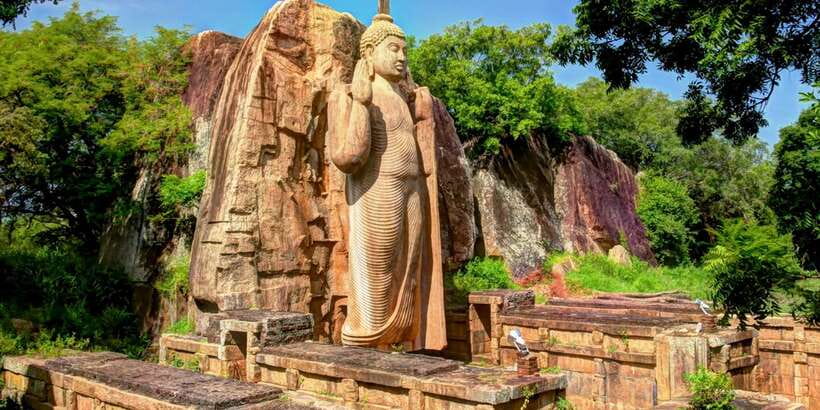
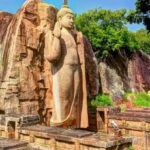
After Anuradhapura, the tour includes additional stops around the region such as Mihintale and Aukana Temple. These complement the city with a more landscape-in-the-religion feel: viewpoints, temple sites, and sculpture that give context to how Buddhism is practiced outside the densest ruin zones.
You end the day settled in a hotel near Sigiriya. That overnight is the smart part of the plan: it sets you up for an early climb the next morning instead of making you travel late and sleep poorly.
Day 2: Sigiriya climb, Polonnaruwa temples, and Minneriya jeep safari
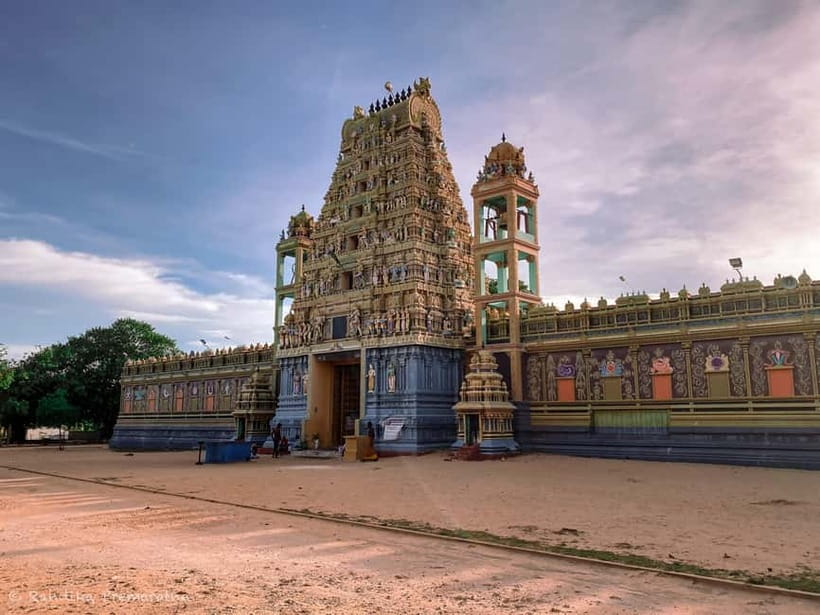
Day 2 is a classic “Sri Lanka greatest hits” day, with two UNESCO stops back-to-back and a wildlife add-on.
Morning and late morning: Sigiriya Rock Fortress
You start with the Sigiriya Rock Fortress, including a guided experience. This is the part most people picture when they hear Sigiriya: the rock as a strategic and symbolic fortress, and the staged approach that keeps drawing you upward.
You’ll also visit Pidurangala temple, which pairs well with Sigiriya because it gives you another sacred viewpoint and a different angle on the rock and surrounding area. If you’re trying to get photographs, be aware of the tour’s rules: photography is not allowed of Sigiriya frescoes.
Afternoon: Polonnaruwa’s stone monuments
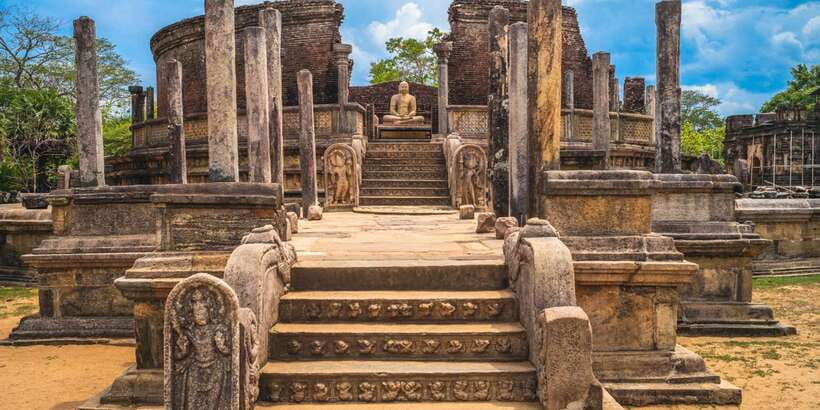
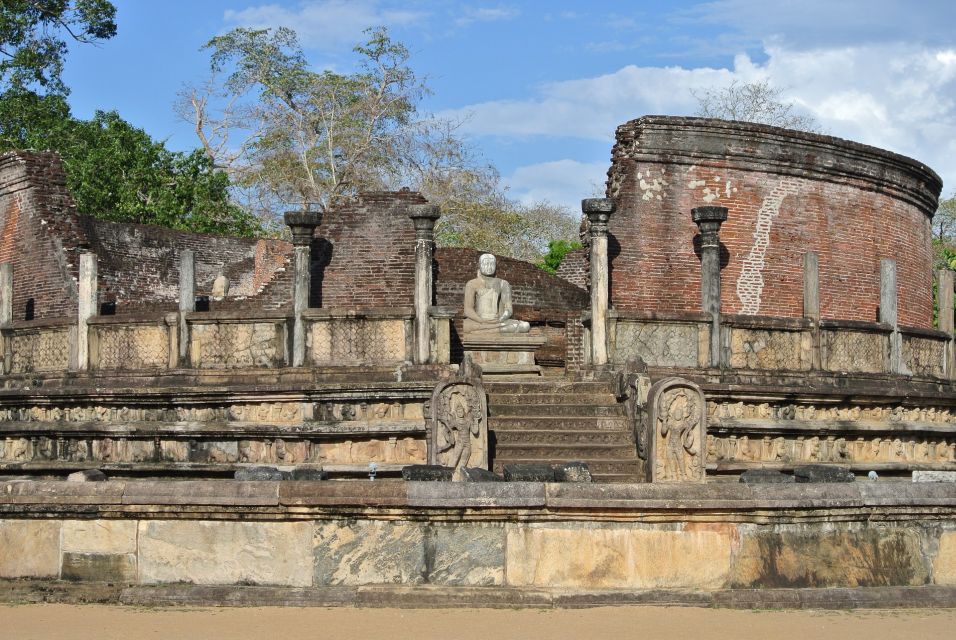
Next, you head to Polonnaruwa, where the ruins are more sculptural and more visibly “city-like” in layout. You see dozens of ancient temples, Buddha statues, and other structures built by ancient kings.
The big practical value here is guidance. Polonnaruwa can look like a pile of rocks until someone points out what you’re looking at: massive stone-cut Buddha statues, dagobas, an audience hall, and more. There’s also time tied to the Polonnaruwa cultural museum area, which helps you connect the stones to the stories.
You can also read our reviews of more historical tours in Colombo
Late day: off-road jeep around Minneriya Lake
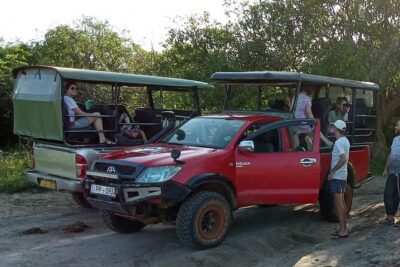
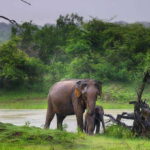
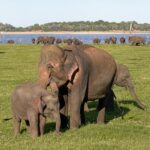
Then comes the wildcard: an off-road jeep safari around Minneriya Lake, with the chance to see wildlife in Minneriya National Park.
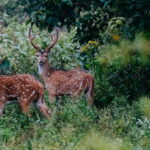
The tour language is honest about timing: the Minneriya safari depends on availability of time, and the safari entry and jeep hire are not included. If you do go, you might spot wild elephants, bears, wild boars, deer, buffalo, monkeys, and possibly a leopard.
What I like about adding this is contrast. After two days of history and temples, the safari shifts your brain to the present—sound, movement, and surprise. It’s also a good reminder that Sri Lanka’s conservation areas sit next to the heritage zones, so you’re not choosing between culture and nature.
You sleep again in Sigiriya.
Day 3: Matale spice garden, Dambulla Golden Temple, and Kandy’s Tooth Temple
On day 3 you head toward Colombo via the Kandy area, but not in a boring straight line. You stop in Matale for a spice and herbal garden tour, which connects Sri Lankan food to traditional medicine and local growing.
This is also where you get the traditional head massage, included in the tour. If your days have been temple-heavy and step-heavy, this is the kind of reset that makes the end of the trip feel less like a sprint.
From there, the tour includes Dambulla Golden Temple guided time. Expect more than 150 Buddha statues and ancient murals. In practice, Dambulla is a place where your guide’s storytelling really helps because the art is not just decoration—it’s a map of belief, and it changes what you notice when you stop and look.
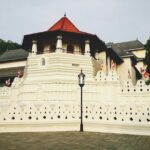
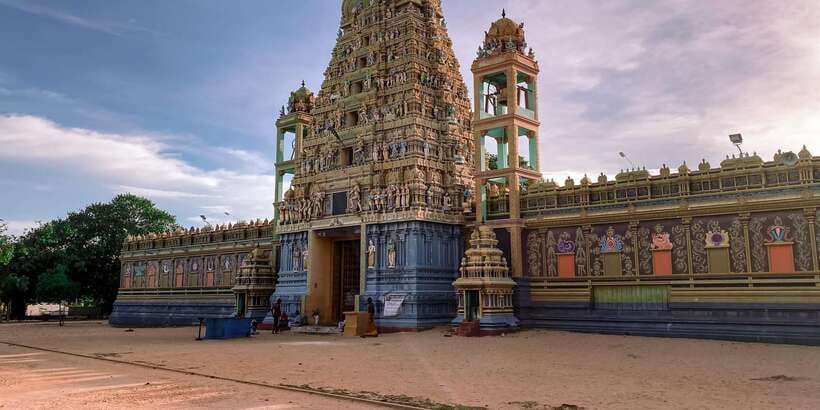
Then you continue with the Tooth Relic Temple experience connected with Kandy, plus Kandy city sightseeing. The Temple of the Sacred Tooth of the Buddha is a major pilgrimage site with thousands of devotees, so you’ll feel the temple’s role in daily religious life, not just its status as a monument.
If Kandy sightseeing time includes Peradeniya Royal Botanic Gardens (it’s listed as a guided component), you’ll get a slower, greener ending. The gardens’ entrance fees are not included, so if you want to double-check your personal timing, you can ask your guide what’s scheduled.
You finish the day back in Colombo.
UNESCO sites: what you’ll actually see (and what to look for)
This route packs five UNESCO World Heritage sites into a short time. Here’s how they connect, and what you should pay attention to.
Sigiriya
You’re looking at a fortified rock complex where engineering, art, and sacred symbolism meet. If you enjoy climbing viewpoints and want to understand why rulers invested in dramatic spaces, Sigiriya delivers.
Practical tip: wear comfortable shoes and plan for sun and stairs. Also remember the photography limits around Sigiriya fresco areas.
Anuradhapura
This one is about sacred city planning—Buddhist temples and dagobas spread through a large historic zone. The Atamasthana focus helps you avoid the feeling of being lost in a huge site.
Polonnaruwa
Polonnaruwa reads like stone sculpture meeting royal architecture. The big attraction is the Buddha statues and temple remains, which can feel overwhelming unless you have a guide telling you what each structure functioned as.
Dambulla
At Dambulla, the murals and statue collections change the mood. It’s not just ruins; it’s a living visual tradition. If you like art, this is one of the most rewarding stops on the trip.
Kandy
Kandy’s UNESCO identity is tied to the Tooth Temple. Here, “heritage” isn’t a dead museum concept—it’s a working religious center, and that’s part of what makes it meaningful.
What makes the private guide experience work (and where it can get annoying)
The tour is built around a private group with a live English guide plus a driver. That combination matters because these sites are rule-heavy: shoes off, hats off, quiet voices, and modest clothing.
Guides can make or break a short trip like this. In the feedback tied to this service, names like Jaya and Chabby show up as guides who explain local customs and history in a practical way, sometimes even in more than one language. A driver like Nusri or Sarat is also mentioned as getting people to sites smoothly and on time.
Still, there’s one travel reality to prepare for: some sacred-area tours can include “extra stops” that feel sales-focused. One note tied to this experience mentions being shown jewelry and products with pressure to buy, often outside the main monuments. That doesn’t mean you’ll face it nonstop, but it does mean you should go in with a calm script: you can politely decline and keep walking.
Price and real value: what $490 covers, and what to budget extra
At $490 per person for 3 days, you’re paying for coordination, two nights of accommodation in a standard hotel, and a guided program across multiple UNESCO zones. Included basics also cover:
- Pickup and drop-off (Colombo)
- Air-conditioned transport
- Driver/guide
- Sigiriya Rock guided tour (entrance fee not included)
- Guided Dambulla Golden Temple and Tooth Relic Temple
- Kandy sightseeing tour and Spice garden tour
- Traditional head massage
- Hop-on, hop-off car tours for Anuradhapura and Polonnaruwa
- Peradeniya Royal Botanic Gardens guided tour (entrance fee not included)
- Two breakfasts
What’s not included is where budgets often surprise people:
- Entry fees for sites
- Minneriya safari entry and jeep hire
- Lunch, dinner, drinks
One piece of feedback cited an extra safari cost around 170€ for two people, which is the kind of number that reminds you to plan an “extras” envelope even when the core tour price looks fixed.
My advice: treat $490 as the planning anchor, then add a daily amount for lunches and drinks plus ticket costs for each paid site and the Minneriya safari if you go. If you’re traveling as a couple, you’ll feel these extra items more clearly, so I’d rather you budget early than adjust later.
Temple etiquette and packing: rules you’ll want to respect
You’ll visit many temples, and the tour is explicit about the expectations. That’s good news because it means you won’t be guessing once you arrive.
Bring:
- Comfortable shoes (you’ll be taking them off indoors)
- A hat and sunscreen for outside sun
- Comfortable clothes
- Passport (or a copy accepted)
Dress rules are strict:
- No shorts
- No sleeveless shirts
On arrival at temples:
- You’ll remove shoes and often hats before entering
- Silence should be maintained inside temples
- No smoking or alcohol consumption in temples
Photography rules to remember:
- Photography is not allowed of Buddha statues or at Sigiriya frescoes
These may sound fussy, but in practice they help you experience the sites the way they’re intended to be seen: calm, respectful, and focused.
Should you book this tour?
I’d book it if you want a high-efficiency Cultural Triangle visit with a guide who handles the “why” behind the monuments, not just the “where.” It’s especially solid if you like a mix of UNESCO culture plus wildlife contrast, and if you’re happy with a full, step-filled schedule for three days.
I’d skip or compare if:
- You need slower pacing and long unstructured time in each place
- You get stressed by strict temple rules and modest dress requirements
- You dislike any sales-pressure style of side stops
- You’re using mobility aids, because the tour is not suitable for wheelchair users or mobility impairments
If you’re a fit traveler, this route is a smart way to see five UNESCO sites without the headache of stitching together transport, tickets, and interpretation yourself.
FAQ
How many UNESCO sites are included?
This tour covers 5 UNESCO World Heritage sites.
How long is the tour?
It runs for 3 days.
What is the price per person?
The price is $490 per person.
Where does the pickup happen?
Pickup is available from hotels and addresses in Colombo.
What language is the tour guide?
The tour uses a live English guide.
Are entrance fees included?
No. Entry fees are not included (including for Sigiriya, Dambulla, and Tooth Relic Temple).
Is the Minneriya safari included?
Not fully. Minneriya safari entry and jeep hire are not included, and the safari depends on available time.
What meals are included?
You get 2 breakfasts. Lunch, dinner, and drinks are not included.
Can I take photos inside the temples?
Photography is not allowed for Buddha statues and not allowed at the Sigiriya frescoes.
Is this tour suitable for wheelchair users or mobility impairments?
No. It is not suitable for mobility impairments or wheelchair users.
Is there free cancellation?
Yes. You can cancel up to 24 hours in advance for a full refund.