REVIEW · COLOMBO
Discover the Best of Sri Lanka in 2 Days
Book on GetYourGuide →Operated by Apple Vacations Sri Lanka · Bookable on GetYourGuide
Sri Lanka in two days is a fast punch of wow moments, from Ravana Falls to Sigiriya Lion Rock. I like the mix of nature and culture, not just one type of sightseeing, and I really enjoy the train-and-tea pairing because it slows the day down at the exact right time. The main drawback is simple: you’ll be in a car a lot, and the schedule is tight enough that early mornings can feel intense.
You also get real value in how it’s paced: hotel pickup and drop-off, AC shared transport, a guide, and one breakfast plus one dinner included, with bottled water along the way. Some people love the guide attention and photography help (I’ve seen names like Kris and Ranga pop up a lot), but if you’re picky about long drives, or you dislike shopping stops, plan your expectations before you go.
In This Review
- Key Things That Make This 2-Day Sri Lanka Trip Worth Your Time
- What This Tour Feels Like: Nature, Temples, and a Lot of Seats
- Day 1: Ravana Falls, the Train to Ella, and Tea Country Timing
- Ravana Falls (Ella): Photos Are Easy, Nature Is the Point
- The Scenic Train Ride (Hali Ela to Ella): One of the Best Ways to Read the Hills
- Little Adams Peak: A Sunset-Feeling View with Real Effort
- Nuwara Eliya Area (Ramboda): Little England Flavor
- Tea-Making Tour and Factory Time: Why This Stops Feel Worth It
- Day 2: Ambuluwawa Tower, Ayurveda Gardens, Dambulla Caves, and Sigiriya
- Ambuluwawa Tower (Gampola): Start High, See Far
- Ayurveda Spice Garden: Healing Traditions Plus a Sales Reality Check
- Golden Temple of Dambulla (Cave Temples): A UNESCO Stop That Feels Sacred
- Sigiriya Lion Rock: Climb the Fortress, Pay the Entrance Fee, Bring Patience
- Price and Value: What $180 Really Buys You
- Guides and Driving: Why Names Like Kris and Ranga Matter
- Best For: Who This Tour Suits
- Small Things to Know Before You Go
- Should You Book This 2-Day Sri Lanka Sampler?
- FAQ
- How long is the tour?
- What does the tour cost?
- Where does the tour take place?
- What’s included in the price?
- Are entrance tickets included?
- How much is the Sigiriya entrance fee?
- What is the cave temple fee at Dambulla?
- Which major sites are covered on Day 1?
- Which major sites are covered on Day 2?
- Is it okay to cancel, and can I pay later?
Key Things That Make This 2-Day Sri Lanka Trip Worth Your Time
- Ravana Falls in Ella in the morning light, with great photo chances and real waterfall energy
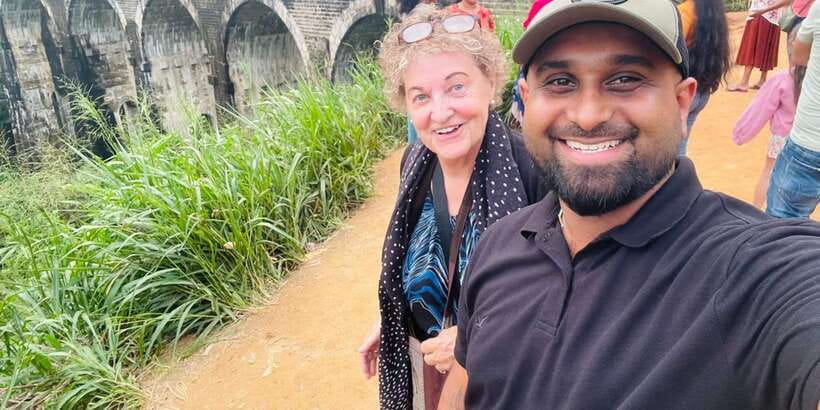
- Hali Ela to Ella scenic train ride, plus a stop for the Nine Arches Bridge views
- Little Adams Peak hike for a sunset-style payoff without needing a full-day trek
- Ambuluwawa Tower in Gampola for broad, high-altitude views before the cultural sites
- Dambulla Golden Temple cave temples (UNESCO), with the right kind of awe
- Sigiriya climb with a major entrance fee to budget for, but a payoff that’s hard to fake
What This Tour Feels Like: Nature, Temples, and a Lot of Seats
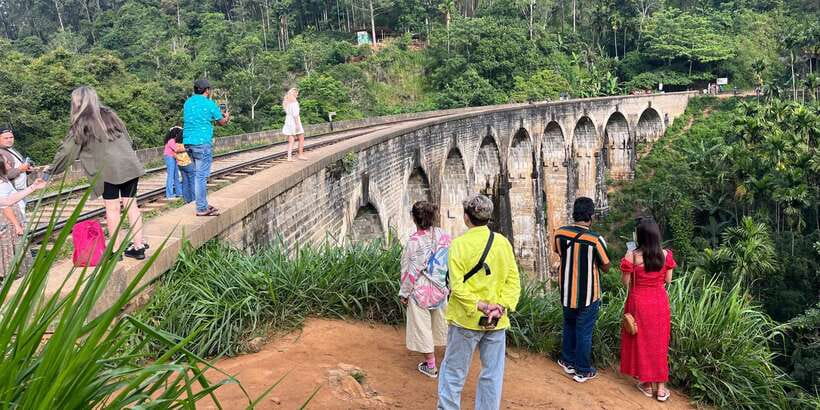
This is a whirlwind sampler of Central Province Sri Lanka. You’ll move through tea country, climb for viewpoints, and end with two of the big-hitters: the Golden Temple of Dambulla and Sigiriya. If you want a mix of classic sites plus a couple of quieter moments (like tea-making and that train window view), this kind of route makes sense.
The value part is that you’re not doing the hardest pieces alone. Transportation is handled, you get a guide, and you’re booked into one overnight stay. Still, you should go in knowing this is not a slow, leisurely tour. One reviewer-style take that keeps showing up: a lot of driving, big distances, and early wake-ups. So if you love comfort and flexibility over speed, you might prefer a longer multi-day plan.
You can also read our reviews of more tours and experiences in Colombo
Day 1: Ravana Falls, the Train to Ella, and Tea Country Timing
Ravana Falls (Ella): Photos Are Easy, Nature Is the Point
Your day starts with Ravana Falls in Ella. This is the kind of stop where you can spend time just standing near the falls and soaking in the mood—mist in the air, green surroundings, and that constant roar that makes photos feel secondary. It’s a great first anchor because it sets the tone: this trip isn’t just about temples and towers.
Practical tip: wear shoes you don’t mind getting a bit dusty or damp. The ground can be slick near water.
The Scenic Train Ride (Hali Ela to Ella): One of the Best Ways to Read the Hills
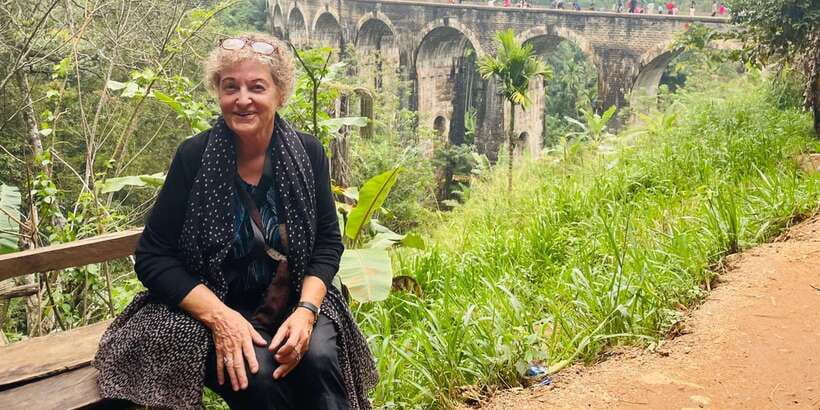
Later, you’ll jump on a scenic train ride from Hali Ela to Ella. The best part here is that the train moves slowly enough for you to actually notice how the hills and towns change. You’ll also pass the Nine Arches Bridge, which is a key photo stop because it’s iconic and visually crisp.
A useful expectation check: some people arrive hoping for a bus-style group transfer. If you’re expecting that, you might feel the train portion is shorter or less flexible than imagined. But if you’re okay with the rhythm of train travel—sit, look out, shoot a few photos, and enjoy the movement—this segment is a standout.
Little Adams Peak: A Sunset-Feeling View with Real Effort
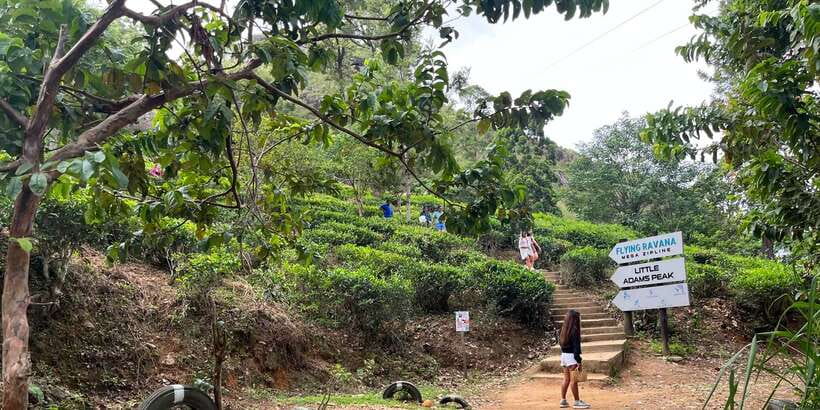
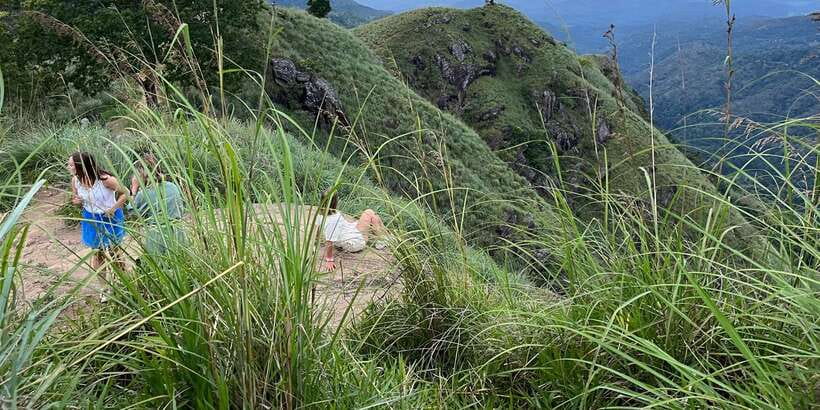
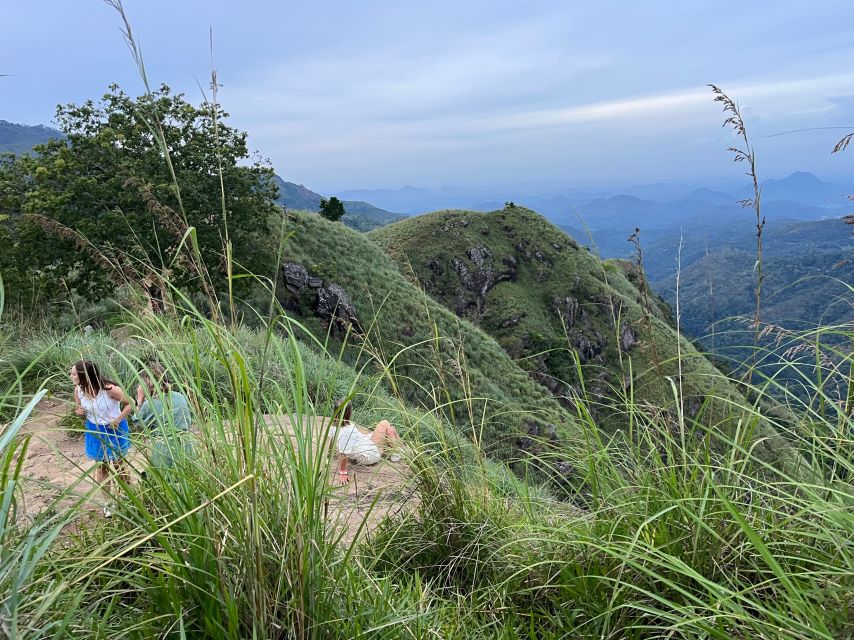
After the train day, you’ll hike up to Little Adams Peak. This isn’t a casual stroll, so plan on using your legs. The reward is a panoramic feel over the countryside, and it’s timed in a way that makes the late-afternoon vibe work.
Bring a light layer. Hill country temps can shift quickly, especially near sunset.


Nuwara Eliya Area (Ramboda): Little England Flavor
You’ll check into your hotel in the Ramboda area, part of Nuwara Eliya—the place people sometimes compare to Little England because of the colonial-era influence and cool-climate feel. After a full day of moving, it helps that the evening plan is gentle: explore the Old Post Office, which offers that classic colonial-styled charm without being complicated.
This is also a good time to reset your energy. Two-day tours often hinge on whether you protect sleep.
Tea-Making Tour and Factory Time: Why This Stops Feel Worth It
In the evening, you’ll get a guided tea-making tour and a visit tied to a plantation and factory. The goal is straightforward: you watch how Ceylon tea goes from leaf to cup, and then you taste freshly brewed tea.
One important heads-up: there can be a sales angle. Some spice-farm style stops feel like selling more than teaching, and the tea segment can have a similar edge depending on how the guide works the visit. You don’t have to buy anything. If you focus on the process and the tasting, it still makes a lot of sense.
Day 2: Ambuluwawa Tower, Ayurveda Gardens, Dambulla Caves, and Sigiriya
Ambuluwawa Tower (Gampola): Start High, See Far
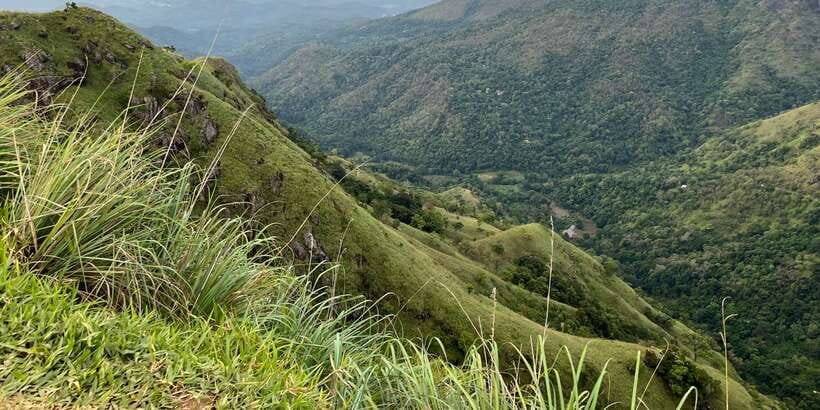
Day 2 begins at Ambuluwawa Tower in Gampola. This is a viewpoint-first stop, and that’s smart because it gets you out of the start-of-day fog mindset and into the big-view mode. You’ll get panoramic vistas of the surrounding hills, which makes the rest of the cultural sites feel connected.
If you’re the kind of traveler who likes your photos with depth, this one delivers.
Ayurveda Spice Garden: Healing Traditions Plus a Sales Reality Check
Next comes an Ayurveda Spice Garden. The focus is traditional healing using herbal remedies. The experience is meant to rejuvenate your senses, but here’s the honest part: some stops in this general category can drift toward a sales presentation.
So go in with the right mental model. If you’re interested in herbs and you like learning how locals use plants, you’ll probably enjoy it. If you hate being sold to, keep your budget for souvenirs at zero and just treat it like an educational walk.
Golden Temple of Dambulla (Cave Temples): A UNESCO Stop That Feels Sacred
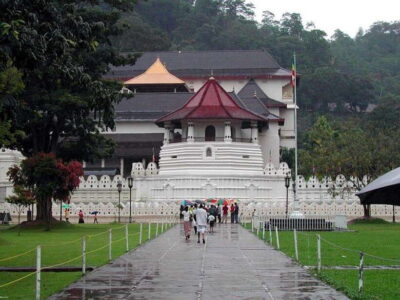
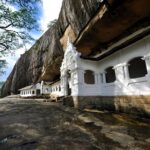
Then you’ll visit the Golden Temple of Dambulla, a UNESCO World Heritage site with ancient cave temples and sacred statues. This is one of those places where the setting matters as much as the art and icons. The cave setting also changes your sense of space—everything feels calmer and more serious.
Ticket note: the cave temple fee is 3000 LKR, and it must be paid in local rupees.
Sigiriya Lion Rock: Climb the Fortress, Pay the Entrance Fee, Bring Patience
The final big moment is Sigiriya, also called Lion Rock. You’ll climb up to the summit and see the ancient fortress remains plus wide views.
Budget clearly: the Sigiriya entrance fee is USD 35, and it can be paid in USD or local rupees (whichever is easier for you). That fee is not small, but it’s part of why Sigiriya has weight. This is one of Sri Lanka’s most famous sites, and you’ll feel it in the crowds and in the sheer effort required.
Practical climb advice: wear breathable clothing and shoes with good grip. Pack water if you’re allowed to carry it; bottled water is included with the tour, but the climb still eats time.
Price and Value: What $180 Really Buys You
At about $180 per person for two days, the value comes from the “handled for you” items. You get:
- hotel pickup and drop-off
- AC shared transfer transportation
- drive/guide help
- accommodation (one night)
- bottled water
- 1 breakfast and 1 dinner
Entrance tickets are not included, and that’s the main add-on cost to plan for. With Sigiriya and the cave temple already called out, you can estimate your total without guessing.
Is it expensive? Not for what you’re getting: multiple major sites, one overnight stay, and transport that strings together hill country and cultural highlights. It’s also a good pick if you’re short on time and don’t want to coordinate separate drivers, bookings, and transfers.
But it’s not cheap in effort. The car time and early starts are real trade-offs for squeezing in two days of Sri Lanka highlights.
Guides and Driving: Why Names Like Kris and Ranga Matter
A strong guide turns this tour from busy to worthwhile. In the feedback, guides like Kris and Ranga (and a Rangar-style variant) show up as professional, caring, and safe behind the wheel. That matters because driving days in Sri Lanka can be long and sometimes chaotic, and your comfort depends heavily on how the driver handles timing.
One detail to keep in mind: some people mentioned windows being heavily darkened in the vehicle, which makes it harder to enjoy the scenery during longer drives. If you’re sensitive to that (or you hate not seeing out), ask when you’re assigned the vehicle type. Even a small adjustment can change how the day feels.
Also, English is available through the host/greeter and the guide language setup. That helps at temples and viewpoints where explanations make the difference between seeing stuff and understanding it.
Best For: Who This Tour Suits
This plan fits you if:
- you want a quick hit of Ella + train + tea + Sigiriya + Dambulla without building your own schedule
- you’re okay with early starts and a lot of time on the road
- you like guided context at cultural sites, not just photo stops
- you want a packaged value level that includes transport and overnight stay
It may not fit you if:
- you hate long car rides and tight timetables
- you’re strongly anti-shopping or anti-sales stops (Ayurveda/spice-style visits can feel like that)
- you want slow travel with lots of free time at each site
Small Things to Know Before You Go
- Entrance fees: Sigiriya is USD 35 (USD or local rupees), and the Dambulla cave temple is 3000 LKR.
- You’ll be asked to pay in local currency for the cave temple, so keep some LKR on hand.
- There’s a note about skipping the ticket line. That’s helpful, but it doesn’t remove the need to pay the entrance fees.
- Expect the day to feel packed. Even when you love the sites, the schedule adds pressure. Plan your mindset around it.
- Train expectations: treat the train as part of the experience, not a flexible add-on transfer.
Should You Book This 2-Day Sri Lanka Sampler?
Yes—if your goal is to cover the big emotional hits in a short time: waterfall magic, tea country atmosphere, and two UNESCO-level cultural anchors. For many first-timers, this is the kind of route that makes you go home with a clear sense of why Sri Lanka is so special.
I’d say book it if you can accept two realities: lots of driving and a few stops that may carry a sales edge. If that trade-off doesn’t bother you, this tour hits plenty of highlights for your time and budget.
If you’re the type who wants breathing room and quiet time at each stop, consider a longer version or a split plan with fewer sites per day.
FAQ
How long is the tour?
It runs for 2 days.
What does the tour cost?
The price is $180 per person.
Where does the tour take place?
It focuses on Central Province in Sri Lanka.
What’s included in the price?
Hotel pickup and drop-off, transportation by air-conditioned vehicle (shared transfer), drive/guide, accommodation, bottled water, 1 breakfast, and 1 dinner.
Are entrance tickets included?
No. Entrance tickets are not included, and you’ll pay on-site for places like Sigiriya and the cave temple.
How much is the Sigiriya entrance fee?
The Sigiriya entrance fee is USD 35, and it can be paid in USD or local rupees.
What is the cave temple fee at Dambulla?
The cave temple fee is 3000 LKR, and it must be paid by local rupees.
Which major sites are covered on Day 1?
Day 1 includes Ravana Falls in Ella, a scenic train ride from Hali Ela to Ella (with Nine Arches Bridge along the route), Little Adams Peak, the Old Post Office area, and a tea plantation/factory tea-making experience.
Which major sites are covered on Day 2?
Day 2 includes Ambuluwawa Tower in Gampola, an Ayurveda Spice Garden, the Golden Temple of Dambulla (cave temples), and climbing Sigiriya.
Is it okay to cancel, and can I pay later?
You can cancel up to 24 hours in advance for a full refund. You can also reserve now and pay later.