REVIEW · COLOMBO
Udawalawe Safari Day Trip from South Region & Transfer to Ella
Book on Viator →Operated by Bentota Travel Mart · Bookable on Viator
Elephants in the wild are the main act here. This is a tight, well-run day that trades planning stress for real time spotting wildlife—especially Asian elephants—with a private jeep safari in Udawalawe. I also like that all transport, park fees, and lunch are bundled, so you can focus on seeing animals instead of doing math mid-day.
One thing to think about: it’s a long day (about 7 to 8 hours), and your comfort will depend on the road and the safari timing, since you’re out in open-country conditions for much of it. If you’re the type who hates heat, dust, or being on your feet, plan for it.
In This Review
- Key things that make this Udawalawe day trip work
- Udawalawe National Park: where wild elephants stay front and center
- Private transport and jeep time: smooth logistics, real safari pacing
- Elephant Transit Home (ETH): the short stop that gives the day meaning
- Wildlife beyond elephants: what you can realistically look for
- Lunch, bottled water, and what you still need to plan for
- Transfers that don’t waste your time: south coast to Ella
- Price and value: is $180 per person worth it?
- Who this Udawalawe safari is best for
- Should you book this Udawalawe day trip?
- FAQ
- What’s included in the Udawalawe safari day trip?
- How long will I spend on safari in Udawalawe National Park?
- How long is the Elephant Transit Home stop?
- Where do pickup and drop-off transfers work from?
- Is the tour private?
- What wildlife can I hope to see besides elephants?
- What happens if the weather is poor?
Key things that make this Udawalawe day trip work
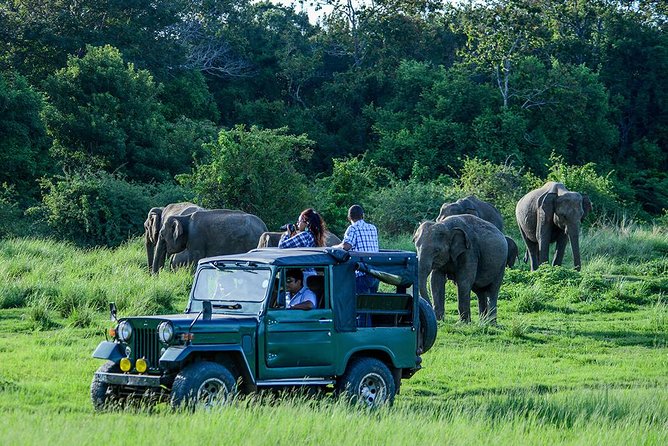
- Private jeep safari time inside Udawalawe National Park, designed to keep things flexible rather than rushed
- Elephant Transit Home (ETH) stop to see how young elephants are cared for inside the park setting
- South-coast pickup and drop-off built around places like Hambantota, Ranna, Tangalle, and Dikwella (plus onward to Ella by tour setup)
- Lunch and bottled water included, so you’re not searching for food between sightings
- Wildlife variety beyond elephants, with chances for sambar, chital, wild boar, and dry-zone birds
Udawalawe National Park: where wild elephants stay front and center
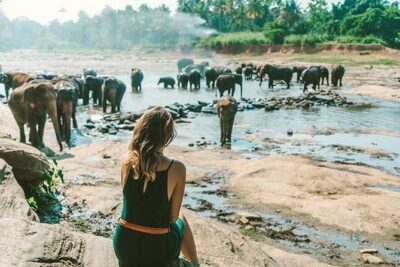
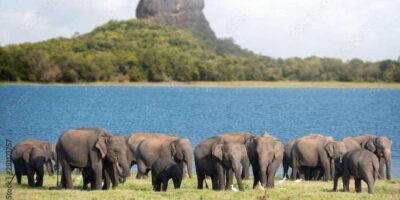
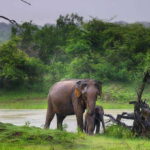
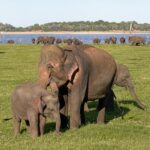
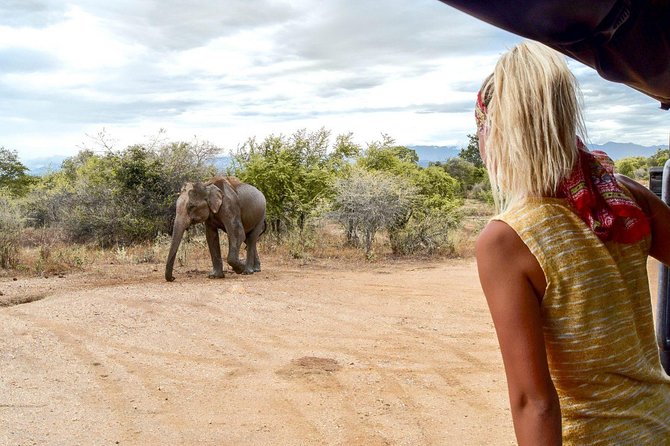
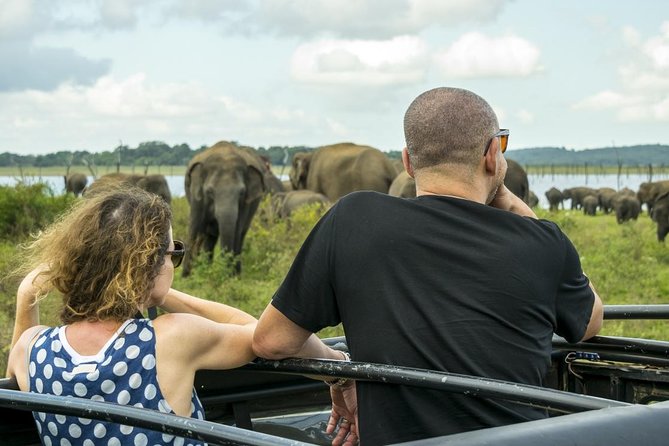
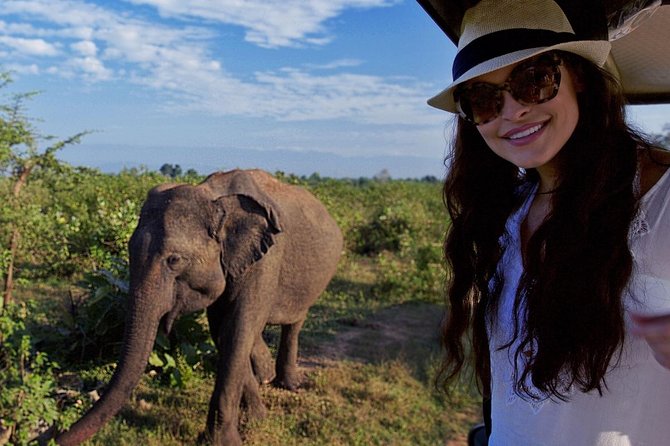
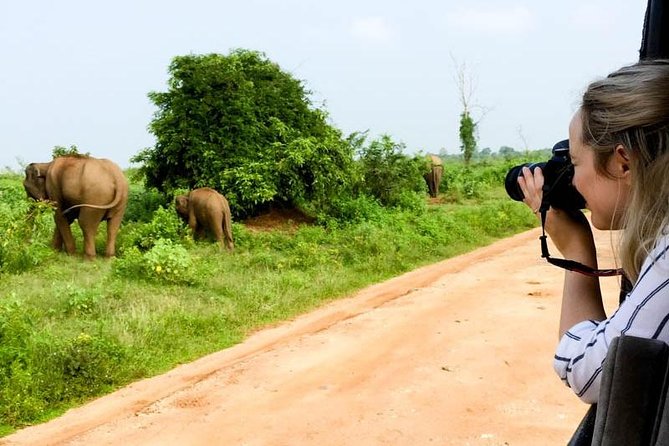
Udawalawe National Park is one of Sri Lanka’s best elephant watching places, and that’s not hype—it’s the park’s whole identity. The reserve is mostly grasslands and bush forest, with higher ground framing parts of the north boundary. That matters because it can create clear sightlines when elephants move through open areas and when animals concentrate around water and feeding zones.
This safari is built around that reality. You’re not spending the day driving around town or doing stop-and-go photo ops. You’re headed straight to the park, then into a private safari jeep for a dedicated chunk of time. That design is great if your goal is simple: watch elephants behave like animals, in their own space.
I also like the way the park experience is paired with one short, meaningful off-jeep stop (more on that next). It turns the day from a pure spotting mission into a story about conservation and rescue, not just a wildlife checklist.
You can also read our reviews of more tours and experiences in Colombo
Private transport and jeep time: smooth logistics, real safari pacing
The best part of a one-day safari is not the jeep itself—it’s everything around the jeep. Here, that groundwork is handled for you. You get a private car with an experienced driver-guide, plus pickup and drop-off from the south region areas listed for this tour. That removes the usual headache: hiring a driver, tracking down entry lines, figuring out timing, and hoping you end up at the right gate.
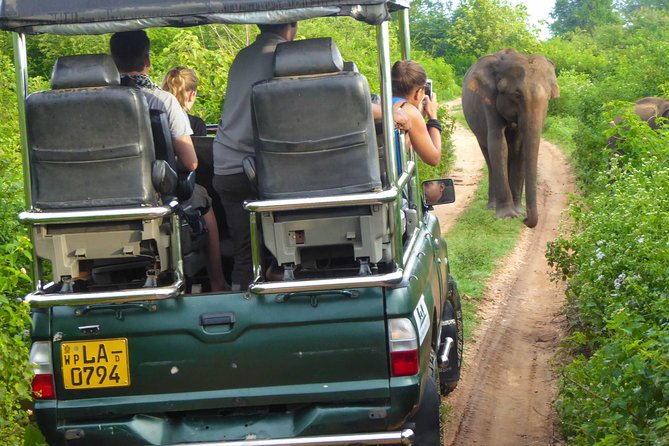
Once you arrive, you shift to a private safari jeep for about 3 to 3.5 hours. Private matters. In open-country safaris, the difference between a shared group and your own group is practical: you can linger when elephants are moving, you can adjust when sightings are quiet, and you’re less likely to feel like you’re being yanked forward before the animals show up.
In real-world terms, that also means the day feels less chaotic. In the field, wildlife doesn’t follow a schedule, and the jeep time is what gives you room to wait and watch. If you’ve ever had a group tour where the vehicle leaves right as you spot something good, you’ll appreciate this setup.
Elephant Transit Home (ETH): the short stop that gives the day meaning
The Elephant Transit Home (ETH) is inside Udawalawe National Park. It was set up in 1995 by Sri Lanka’s Department of Wildlife Conservation, with a clear goal: young elephants are cared for here before they’re moved on or integrated into safer futures.
On your day trip, ETH is a focused stop (about 30 minutes). That’s long enough to understand what the facility does and short enough that you don’t lose your momentum for the safari. It’s the kind of timing that works well on a day when you’re also counting on wildlife sightings.
I find this pairing especially valuable: without a conservation stop, elephant safaris can feel like you’re only consuming a spectacle. With ETH, you get context for why young elephants end up in human-managed care and how wildlife work is more than just watching from a distance. It adds heart to the day, without turning it into a long detour.
Wildlife beyond elephants: what you can realistically look for
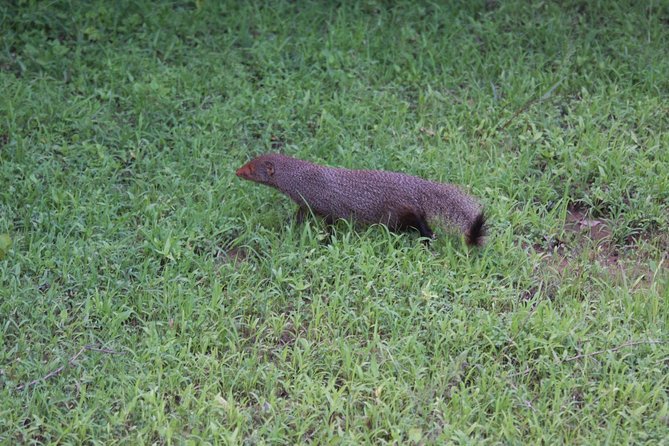
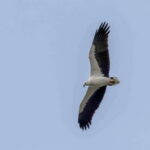
Udawalawe is famous for elephants, but it’s not only about elephants. The park’s grasslands and bush areas also support other mammals and birds, and this tour explicitly encourages you to watch for sambar, chital, and wild boar, plus dry-zone birdlife.
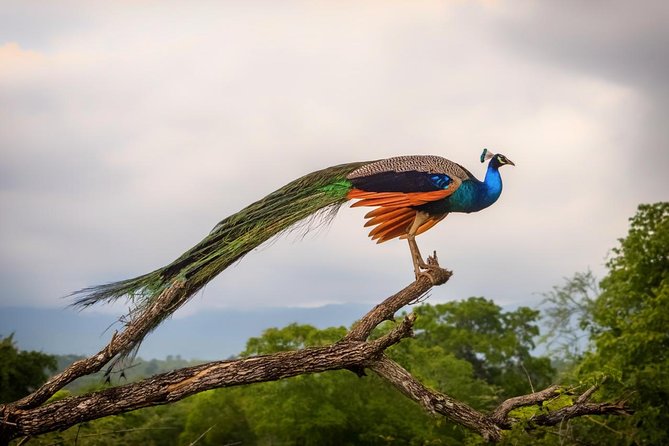
And in the field, the “besides elephants” sightings can be the best surprises. People have reported seeing peacocks, monkeys, crocodiles, lizards, and even mongoose during the safari. That’s the advantage of spending real time on the ground in the park: the day can reward you for looking past the headline animal.
Practical tip: wildlife viewing is a patience game. Keep your eyes moving—elephants often get attention first, but if you pause your scanning, you miss the smaller action that shows up at the edges: birds stepping out of brush, lizards warming on logs, or movement that doesn’t announce itself as big.
Lunch, bottled water, and what you still need to plan for
This is a true package day. It includes lunch and bottled water, plus the park and ETH entry fees. It also includes transport, taxes, and meals as part of the bundle, which matters because day trips in Sri Lanka can vary a lot in what’s covered.
That said, drinks aren’t included. So if you like soda, juice, or anything beyond bottled water, you’ll want to handle that separately. Breakfast also isn’t included, so if you’re starting the day from a hotel early, eat beforehand.
One extra detail that makes lunch feel more real is that the day can include a stop at a place called Niwahana for a straightforward break before the jeep time. That’s exactly what you want: a chance to reset before you switch gears from road time to wildlife time.
You can also read our reviews of more tours and experiences in Colombo


Transfers that don’t waste your time: south coast to Ella
This experience is positioned as a Udawalawe day trip from the south region with a transfer component to Ella. That pairing is a smart use of time if your itinerary already has you moving north or inland after the coast.
Even without getting hung up on exact minutes, the logic is clear: you’re not spending another half day arranging a separate transfer after the safari. The smooth, scheduled feel is part of the value here, especially if you’re trying to keep your Sri Lanka days from turning into constant driving.
Just keep in mind that a wildlife day can run “on safari time,” meaning the schedule is built around sightings, not just clocks. If your onward plans in Ella are strict, give yourself a little buffer on the day after.
Price and value: is $180 per person worth it?
At $180 per person, this is not a cheap excursion. But it can be good value if you price it like a local logistics problem, not like a menu item.
Here’s what you’re getting that would cost extra if you tried to assemble it yourself:
- Private transportation with an experienced driver-guide
- Private safari jeep time inside the national park
- National Park entry fees and ETH entry fees
- Lunch and bottled water
- Pickup and drop-off from the south-coast areas listed
- Taxes and fees bundled into one price
If you add up those components separately—especially jeep access and park entries—one-day safari costs can climb fast. This tour removes those “hidden” expenses and hands you a single total, which is a big deal when you’re on limited vacation time.
Also, the tour is set up as a private excursion: only your group participates. That’s often the dividing line between feeling like a cattle call and feeling like you can actually respond to what the animals are doing.
So for me, the cost makes sense if:
- you want Udawalawe + ETH in one day,
- you care about flexibility during safari time,
- and you’d rather pay for smooth logistics than manage them yourself.
Who this Udawalawe safari is best for
This tour is a strong fit for you if you want a classic Udawalawe experience without the stress. It’s especially good if:
- you’re staying in Sri Lanka’s south coast and don’t want to waste half a day figuring out routes and schedules
- you want a private jeep rather than sharing the front row to elephant sightings with strangers
- you’d like a meaningful stop beyond the park gate (ETH adds that layer)
It may not be the best choice if:
- you’re looking for a very slow, chill day with lots of free time to wander on your own
- you’re extremely sensitive to long stretches in open-air safari vehicles
For most people, though, it’s a practical way to hit a top wildlife destination while also moving your itinerary forward.
Should you book this Udawalawe day trip?
If your priority is elephants in the wild with minimal planning drama, I think this is an easy yes. The combination of Udawalawe National Park jeep time and the Elephant Transit Home stop gives you both the main spectacle and the conservation context that makes the day feel grounded.
Book it if you want value through inclusion—transport, fees, lunch, and park access all handled—and if you like the idea of a private setup where the safari timing can respond to what you’re actually seeing.
Skip it (or compare options) if your travel style demands lots of downtime, or if you’re trying to squeeze in too many schedule-sensitive moments in the middle of the day.
FAQ
What’s included in the Udawalawe safari day trip?
It includes private transportation with an experienced driver-guide, pickup and drop-off, national park entry fees, transit home (ETH) entry fees, a private safari jeep for about 3 to 3.5 hours, lunch, and bottled water.
How long will I spend on safari in Udawalawe National Park?
You’ll have about 3 to 3.5 hours on a private safari jeep in the national park.
How long is the Elephant Transit Home stop?
The ETH stop is about 30 minutes.
Where do pickup and drop-off transfers work from?
The return transfers included in the tour cover in or around Hambantota, Ranna, Tangalle, and Dikwella. The tour name also indicates a transfer onward to Ella.
Is the tour private?
Yes. It’s a private excursion, and only your group participates.
What wildlife can I hope to see besides elephants?
You can try for sambar, chital, wild boar, and dry-zone birdlife. Sightings reported during the safari also include animals like monkeys, crocodile, lizards, and mongoose.
What happens if the weather is poor?
The activity requires good weather. If it’s canceled due to poor weather, you’ll be offered a different date or a full refund.