REVIEW · COLOMBO
Day Trip to the Ancient Capital of Polonnaruwa From Colombo
Book on GetYourGuide →Operated by Apple Vacations Sri Lanka · Bookable on GetYourGuide
Ancient ruins, carefully paced all day. I love the Gal Vihara stone-carved Buddha icons and the way a guided walk makes sense of Polonnaruwa as more than random ruins. The main drawback: it’s a long 14-hour day with moderate walking and temple rules for dress and footwear.
This trip is a practical answer to a common problem in Sri Lanka: how do you see serious archaeology without losing half a day to planning? You get hotel pickup and drop-off in Colombo, an English-speaking driver, and bottled water, plus a meal stop along the way. You’ll still need to handle entrance fees and any local guide arrangements separately.
One name that keeps coming up with this operator is Anush, and the feedback pattern is clear: an attentive guide helps the day feel organized, not rushed. For me, that matters because Polonnaruwa rewards focus. One more thing before you go: bring your passport, comfy shoes, and plan for sun.
In This Review
- Key highlights worth centering your day on
- Polonnaruwa: Sri Lanka’s Buddhist-and-Hindu stone capital
- The 14-hour Colombo-to-Polonnaruwa rhythm (and how to survive it)
- Inside Polonnaruwa: Lankatilaka Gedige and Demala Maha Seya
- Gal Vihara: the Buddha carving that does the heavy lifting
- Thuparama and Topa Wewa: temples plus the Sea of Parakrama
- Price and value: what you pay, what you still need to budget
- Practical tips that save your day at temples
- Who this Polonnaruwa day trip is best for
- Should you book this day trip to Polonnaruwa?
- FAQ
- How long is the day trip from Colombo to Polonnaruwa?
- What’s included in the price?
- Are entrance fees included?
- Do I need a passport?
- How much walking is involved?
- Is this tour suitable for wheelchair users or people with heart problems?
Key highlights worth centering your day on
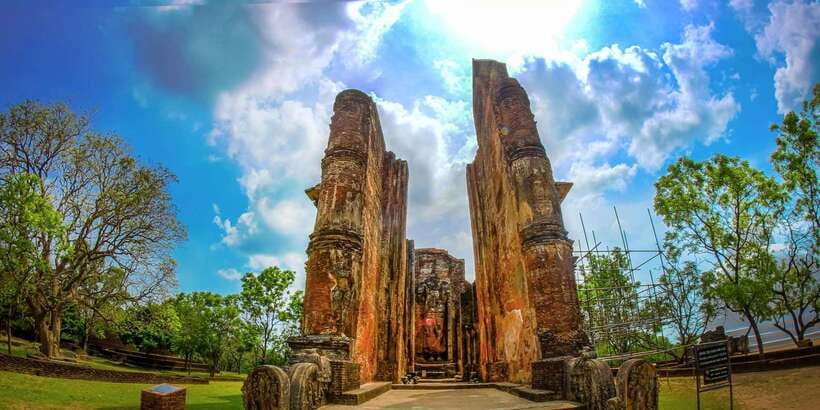
- Gal Vihara’s Buddha icons: the carving work is the kind you remember after you leave.
- Lankatilaka Gedige and Demala Maha Seya: major Buddhist shrines that help you understand the site’s spiritual layout.
- Thuparama: another important stop that ties the monuments together thematically.
- Topa Wewa, the Sea of Parakrama: water-works history, not just temple photos.
- Shared-transfer convenience: hotel pickup/drop-off saves you from tricky logistics in Colombo.
- A guide who keeps things moving: Anush is highlighted in past experiences, and that’s a big deal on a day trip.
Polonnaruwa: Sri Lanka’s Buddhist-and-Hindu stone capital
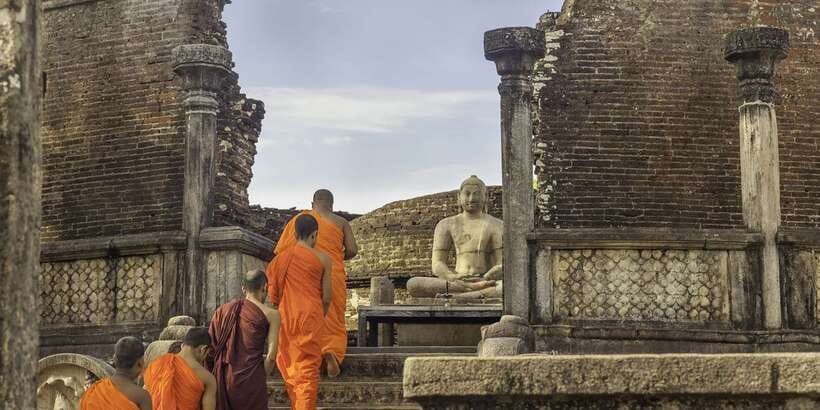
Polonnaruwa is one of Sri Lanka’s most important archaeological sites. It’s not just old buildings scattered across a field. Most monuments connect to either Buddhism or Hinduism, so you keep seeing the same themes: image shrines, religious architecture, and stone carving meant to last.
What makes Polonnaruwa especially interesting is the timeline. This area formed the Silver Capital of Polonnaruwa, which followed Anuradhapura. The period didn’t last forever—only a few decades “over two centuries,” if you take the official-style phrasing—but the output was huge. In a single day, you get exposed to both Buddhist and Hindu influences, and that contrast helps you read the site instead of just wandering through it.
You’ll also notice how Polonnaruwa works like a living plan. Temples, image shrines, and related monuments aren’t random stops; they feel grouped by purpose. That’s where the guided time matters. Without a guide, you can still enjoy it, but with guidance you’re more likely to catch why a particular shrine feels the way it does.
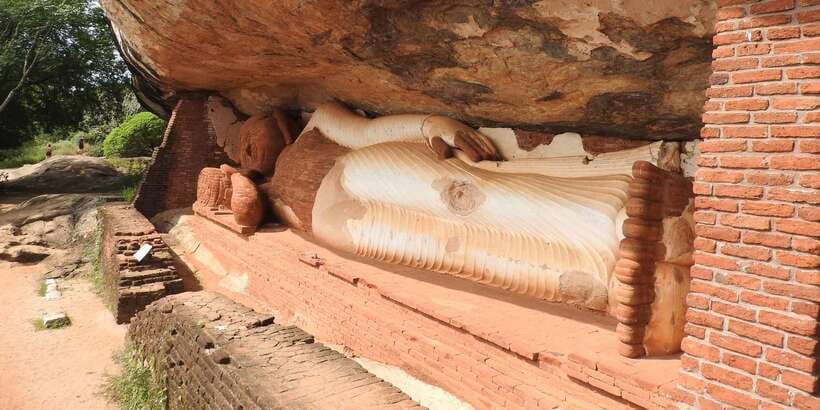
And yes, you’ll see Buddha icons, including the famous stone work at Gal Vihara. That’s the moment when the ruins stop being “ruins” and start feeling like art you’re standing beside.
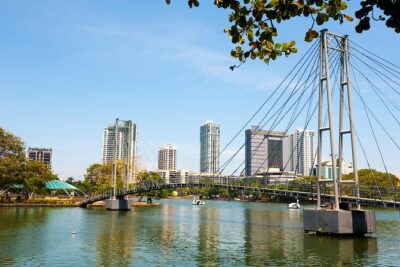
You can also read our reviews of more tours and experiences in Colombo
The 14-hour Colombo-to-Polonnaruwa rhythm (and how to survive it)
The day trip runs about 14 hours, and that long window shapes everything. You’re leaving Colombo in the morning, hitting an early breakfast at a local restaurant, then getting to the ancient city for your main sightseeing block.
The guided city time is about 3.5 hours, which is a sweet spot. It’s long enough to see major monuments—Lankatilaka Gedige, Gal Vihara, Demala Maha Seya, plus Thuparama and Topa Wewa—without turning the day into an all-day endurance contest.
After that, you’ll have a break for food and drinks at a local restaurant stop, roughly 45 minutes, then you’ll head back to Colombo. Because transfers depend on traffic and time of day, treat timing as approximate. Plan your energy around that reality.
Here’s the practical part: this isn’t a sit-and-watch tour. It involves moderate walking, and you’ll be outdoors, often in strong sun. I’d treat comfortable shoes as a non-negotiable, not a suggestion. Sunglasses and a sun hat help more than you’d think once you’re actually moving between monuments.
Also, pickup is shared and based in Colombo. You’ll want to arrive at the hotel lobby about 10 minutes before your selected pickup time. If your hotel is outside Colombo proper, an additional charge may apply, so check that detail before you lock it in.
Inside Polonnaruwa: Lankatilaka Gedige and Demala Maha Seya
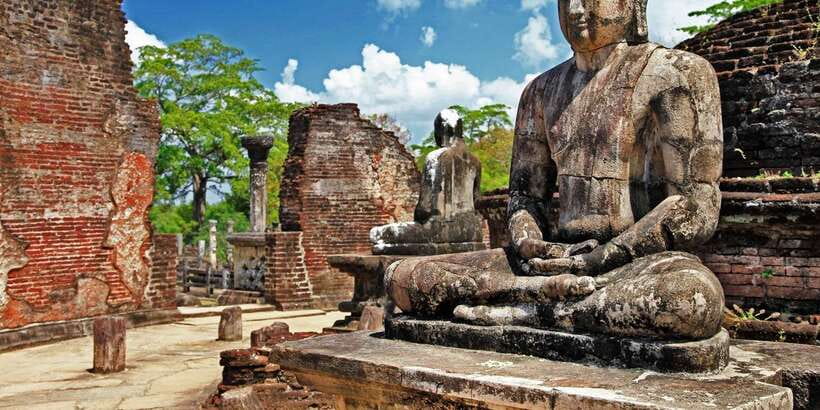
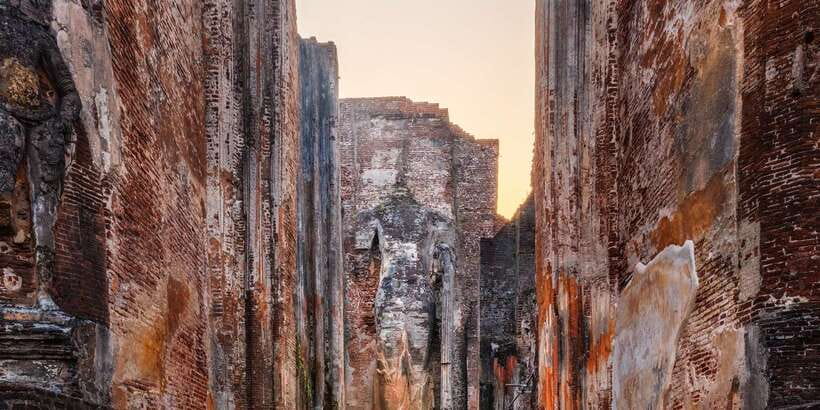
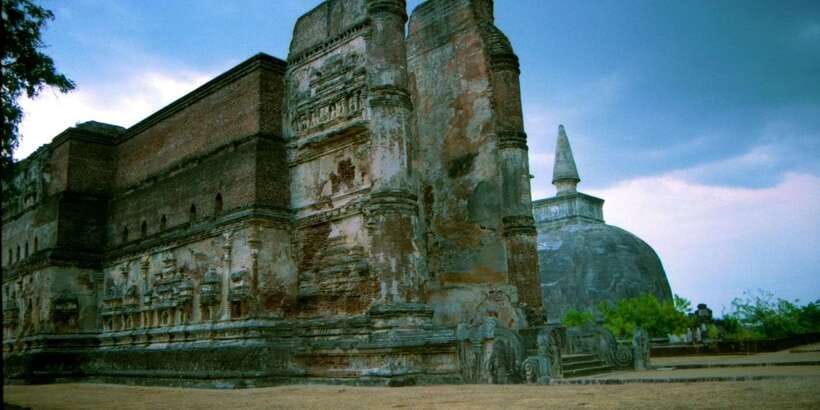
Your main time starts once you’re inside the ancient city area, where the ruins shift from “what’s that?” to “oh, this is a whole system.” One of the first big temple stops is Lankatilaka Gedige. This is one of the key Buddhist sites, and it’s especially helpful early in the day because it sets your expectations for style and symbolism.
Lankatilaka Gedige also helps you calibrate your camera. If you’re used to modern temples, you might expect color and decoration everywhere. Here, the visual power is in stone form, layout, and proportion. Once you start noticing those patterns, the later stops click faster.
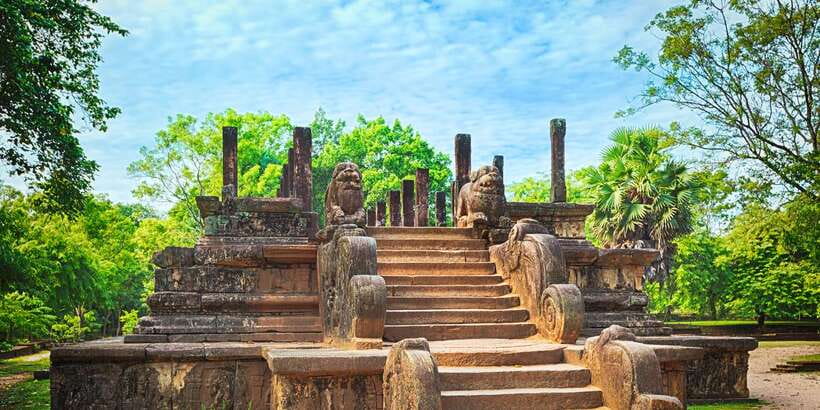
Then you’ll move toward Demala Maha Seya, another major shrine. Stops like this are where the guided component earns its keep. The monuments can look similar at first glance—stone, steps, religious framing—until someone points out what’s distinct about each one and how that relates to the broader site.
A good rule for sites like Polonnaruwa: don’t only look at the biggest structure. Pay attention to the surrounding features and how people moved through the space in the past. Temple buildings were designed for a reason—approach, focus points, and ritual movement—so your “walk with meaning” improves your experience.
The other thing I like about hitting these temples earlier: the light can change quickly, and morning tends to be more comfortable for walking. You’ll be ready for the heavier icon stop next.
Gal Vihara: the Buddha carving that does the heavy lifting
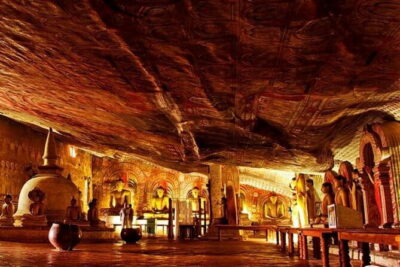
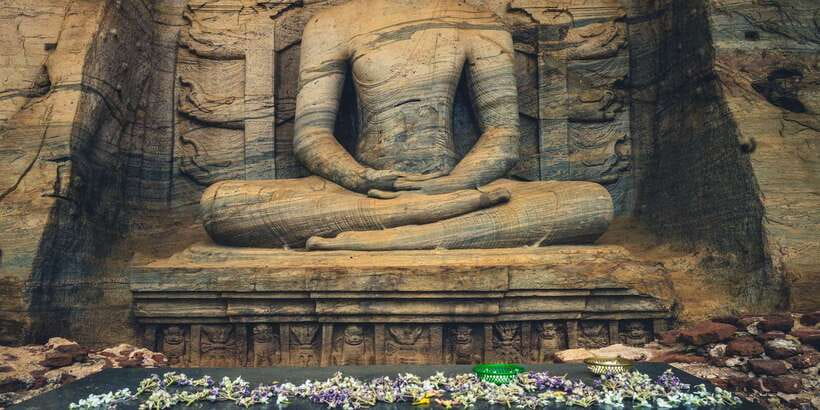
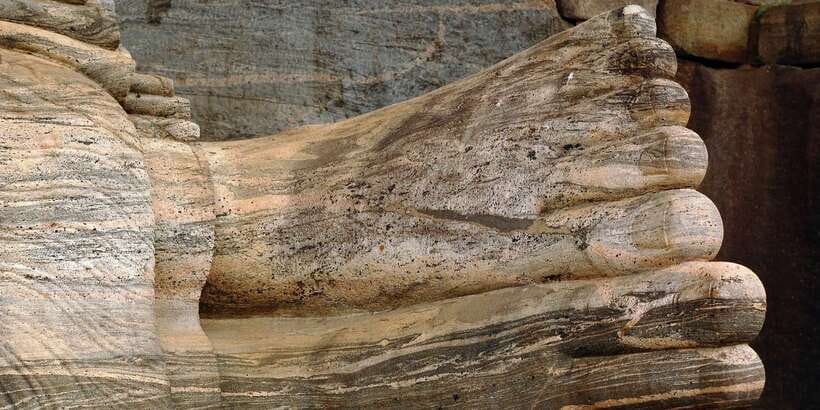
If you want one stop that justifies the whole day trip, it’s Gal Vihara. The reason is simple: you get the stone-carved Buddha icons that Polonnaruwa is known for, and they’re the kind of art that hits differently in person.
A lot of ancient sites show you ruins. Gal Vihara shows you intent. These stone icons aren’t random; they’re image shrines with a clear visual plan. Standing close enough to see how the carving meets the surfaces makes you appreciate the craftsmanship more than you would from photos.
This is also a good place to slow down. Don’t race for the perfect angle. Give yourself a few minutes to stand back, then move in, then move around. That’s how you get the full effect of the stone work.
Practical tip: you’ll likely be in areas where you need to follow temple rules. Plan to take footwear off and dress appropriately—more on that in the practical section below. The good news is that the temple etiquette doesn’t ruin the mood. It’s part of being respectful at religious sites that are still meaningful.
If you’re choosing what to focus on during your guided walk, make Gal Vihara your anchor. When that’s in place, the rest of Polonnaruwa feels like the supporting cast.
Thuparama and Topa Wewa: temples plus the Sea of Parakrama
After the Buddha icons, your route turns toward another side of the story: how rulers shaped both spiritual life and practical life. You’ll visit Thuparama and Topa Wewa, known as the Sea of Parakrama.
Thuparama matters because it keeps your attention on the religious side of Polonnaruwa. This is one of the heritage sites you don’t want to skip just because you’ve already seen a few temples. Each important shrine helps you understand the site’s logic: Buddhism provided a spiritual framework, and the architecture gave that framework physical form.
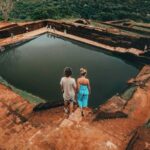
Then you’ll shift to Topa Wewa. The phrase “Sea of Parakrama” is a clue that this isn’t a small decorative pond. It connects to the idea of water management on a large scale, tied to the legacy of Parakrama.
Why should you care about a lake on a temple day? Because Polonnaruwa’s greatness wasn’t only stone worship. Waterworks helped sustain communities and agriculture, and ancient capitals depended on those systems. Even if you’re not a water-works nerd, standing near a historic reservoir makes you think differently about what it took to build and maintain a capital.
This mix—Buddhist sites plus a major water feature—is one of the reasons I like Polonnaruwa compared to “only temples” destinations. It gives the day shape. Your brain stops treating everything as random monuments and starts treating it as one functioning civilization.

Price and value: what you pay, what you still need to budget
The price is $111 per person, and for a day trip this long, that’s the real question: does it feel like value?
You’re paying for the big cost blocks that usually trip people up in Sri Lanka: transportation from Colombo and back, a driver fluent in English, and the coordination of a shared transfer. You also get bottled water, plus hotel pickup and drop-off in Colombo. Those inclusions are meaningful because they lower your stress. You don’t have to arrange your own vehicle for a full day into the Cultural Triangle region.
What’s not included: entrance fees. You should also expect that a local Sri Lankan guide is not included (the tour notes this explicitly), and food beyond what’s described as breaks in the day is not included as a packaged deal.
So, how do you budget your “real cost”? Consider two add-ons:
- Site entrance fees once you’re at Polonnaruwa
- Meals and any drinks at the restaurant stops (the description confirms breakfast and lunch are part of the day, but you shouldn’t assume everything is covered without checking what’s included on the day)
If you travel solo, value can feel even better because you get a structured plan without paying for an entirely private driver. The trade-off is that it’s still a shared transfer, and pickup timing is fixed to that shared rhythm.
Practical tips that save your day at temples
Polonnaruwa is not hard physically, but it can feel long. Moderate walking plus sun means you should dress smart.
Bring:
- Comfortable shoes (you’ll walk)
- Sunglasses
- A sun hat
Temple rules you must follow:
- You’ll need to remove footwear and cover your shoulders and knees when visiting Buddhist or Hindu temples.
- Your hat may need to come off as well during those visits.
Other rules:
- Smoking is not allowed.
- No luggage or large bags. Pack light and plan for easy carrying.
Health and comfort notes are also part of the decision. This trip isn’t recommended if you have heart complaints or other serious medical conditions. It also isn’t suitable for pregnant women or wheelchair users. If any of that applies, it’s worth choosing a gentler option with shorter walking and more flexible pacing.
One more “real life” detail: the trip is subject to favorable weather. If poor weather cancels it, you’ll be able to attend on another date. That’s not something you control, so just build a little flexibility into your schedule.
And for documentation: you must bring a current valid passport.
Who this Polonnaruwa day trip is best for
I think this tour makes the most sense if you want a guided, no-planning-required day. You’re getting an English-speaking driver, a structured route through major heritage sites, and enough time to see the highlights without turning the trip into a logistical project.
It’s a strong fit for:
- First-time visitors to Sri Lanka’s Cultural Triangle area
- People who want Buddhist sites and also the water-works story at Topa Wewa
- Travelers who prefer comfort from Colombo over DIY transportation
It’s less ideal if:
- You don’t handle walking well in sun
- Temple dress rules would be a big hassle for you (they’re easy once you’re prepared, but they are real)
- You need wheelchair access or you’re avoiding long days due to medical concerns
If you’re the type who likes to understand what you’re seeing while moving between sites, the guided time is what turns Polonnaruwa into a story instead of a list of monuments.
Should you book this day trip to Polonnaruwa?
Book it if your goal is a structured, high-impact day from Colombo with a focus on the core Polonnaruwa highlights: Gal Vihara, Lankatilaka Gedige, Demala Maha Seya, Thuparama, and Topa Wewa. The price feels fair when you factor in Colombo pickup/drop-off and the full-day coordination.
Think twice if you’re sensitive to long transfers, you want a slower pace, or you can’t comfortably meet the temple rules (covering shoulders and knees, removing footwear). Also remember that entrance fees and a local guide are not included, so add those costs early to avoid surprise.
One last decision-helper: if you’re going for the statues and the spirit of the site, this route is built around those priorities. If you want only one or two highlights and lots of free time for wandering at your own speed, you might feel this tour is tighter than you like. But if you want your day to land on the most important monuments without stress, this is a sensible choice.
FAQ
How long is the day trip from Colombo to Polonnaruwa?
The total duration is about 14 hours.
What’s included in the price?
Pickup and drop-off at your accommodation, an English-speaking driver, and bottled water are included.
Are entrance fees included?
No. Entrance fees are not included.
Do I need a passport?
Yes. A current valid passport is required.
How much walking is involved?
There is moderate walking during the visit, so you should wear comfortable walking shoes.
Is this tour suitable for wheelchair users or people with heart problems?
No. It is not suitable for wheelchair users, and it is also not recommended for people with heart complaints or other serious medical conditions. It’s also not suitable for pregnant women.