REVIEW · COLOMBO
UDAWALAWA SAFARI TOUR from HAMBANTOTA PORT (Shore Excursion)
Book on GetYourGuide →Operated by Shehan Safari Jeep Tours · Bookable on GetYourGuide
Elephants on a shore day can work. This Udawalawe safari from Hambantota Port pairs a National Park wildlife drive with a stop at the Elephant Transit Home, built around cruise-day timing. I like that the pickup is easy and the return is organized, so you’re not guessing about transport.
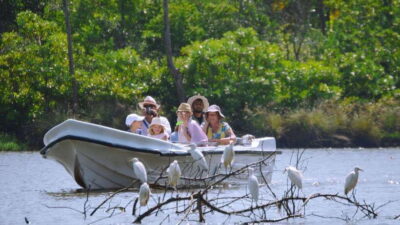
I also like the practical safari setup: safari jeeps, binoculars, and local guides who focus on finding animals fast. You’ll be looking for elephants plus other sightings like crocodiles and water buffalo, with lots of birdlife in the mix.
One thing to plan for: entrance fees for Udawalawe National Park and the Elephant Transit Home are not included, so you’ll need extra cash on the day.
In This Review
- Key things that make this Udawalawe shore safari special
- Port-to-park reality check: what this day is really like
- Getting from Hambantota Port to Udawalawe: pickup, the in-between time, and timing
- Udawalawe National Park safari jeep: what to spot and how to make it count
- Elephant Transit Home: why the second stop hits differently
- Jeeps, guide style, and comfort details that really matter
- Wildlife odds: what’s likely, what isn’t guaranteed, and how to think about it
- Price and value: is $51 a fair deal from Hambantota Port?
- Who should book this Udawalawe safari and who should pass
- Should you book Udawalawe Safari from Hambantota Port?
- FAQ
- Do I get picked up from Hambantota Port?
- How long is the Udawalawe safari shore excursion?
- Are entrance tickets to Udawalawa National Park included?
- Are entrance fees to the Elephant Transit Home included?
- Is there an English-speaking guide?
- What’s included during the safari?
- What wildlife can I look for during the safari?
- Does the tour return on time to the port?
- Is free cancellation available?
Key things that make this Udawalawe shore safari special
- Port-first planning: pickup from Hambantota Port and a guaranteed on-time return back to the port area
- Two experiences in one day: Udawalawe National Park safari + a visit to the Elephant Transit Home
- Safari gear included: binoculars in the jeep, plus water and cool drinks during the tour
- Drivers who work the route: guides like Hansa and Pathum (and others) are repeatedly praised for spotting wildlife
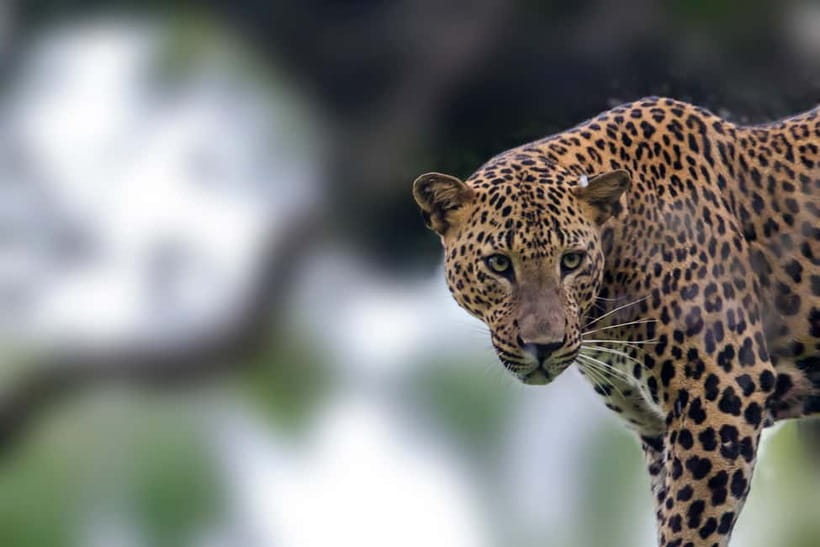
- Wildlife variety beyond elephants: crocodiles, buffalo, and multiple bird species are part of the hunt
- Entrance fees paid on arrival: tickets are separate for both the park and the transit home
Port-to-park reality check: what this day is really like
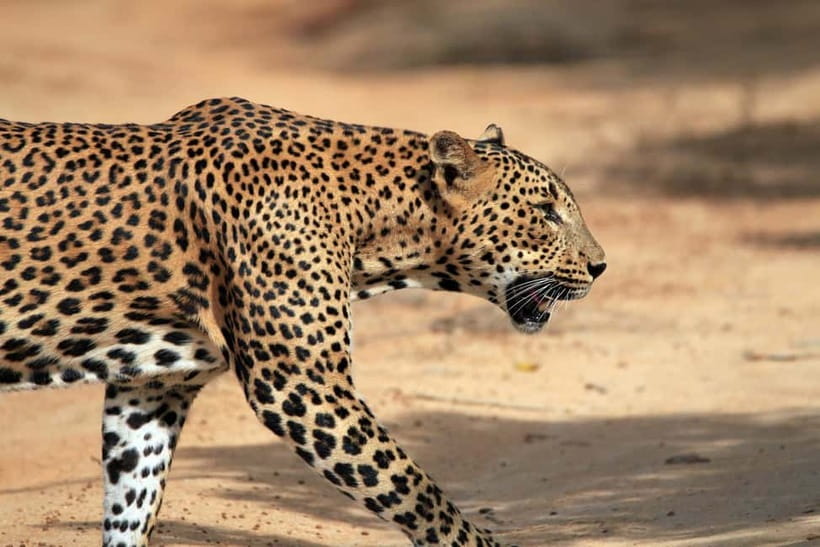
This isn’t a slow, countryside outing. It’s a shore excursion style day, which means you’re moving from Hambantota to Udawalawe on a schedule and trying to hit the best wildlife time while still getting back to the port. That matters, because in a National Park, “when” you’re out often matters as much as “where” you go.
I like that the whole experience is built around logistics you don’t have to manage. The operator includes pickup and drop-off from Hambantota Port and nearby Hambantota areas/hotels, so you’re not left coordinating taxis on a ticking clock. And the return timing is explicitly handled, which is huge on cruise days when you don’t want surprises.
The vibe is also practical. You’re in a safari jeep with an English-speaking guide, scanning for animals, stopping when the guide spots something, and then moving again. It’s not about long sightseeing walks or museum time. If you want wildlife and you want it efficiently, this format fits.
You can also read our reviews of more tours and experiences in Colombo

Getting from Hambantota Port to Udawalawe: pickup, the in-between time, and timing
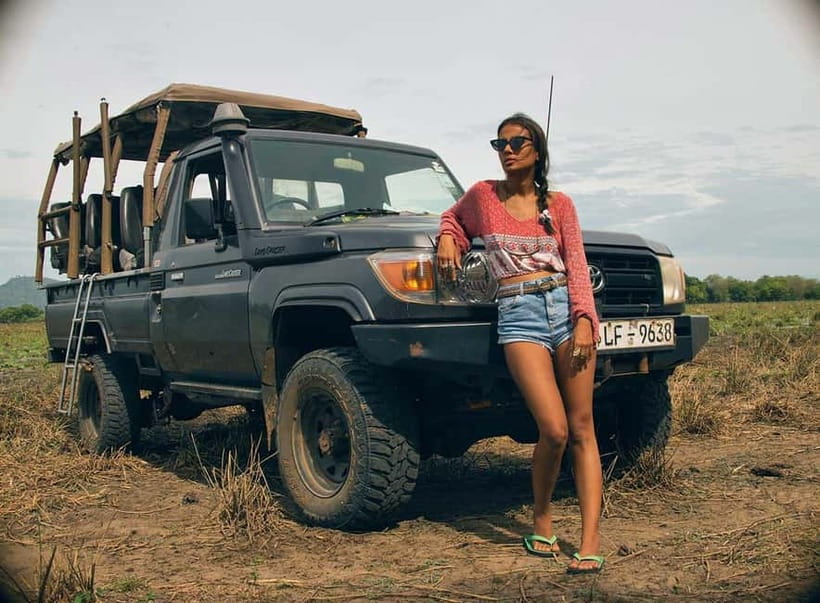
Your day starts with pickup from Hambantota—with service described as covering Hambantota Port and nearby Hambantota areas/hotels. This is the real value of choosing a shore excursion like this: you show up where you’re already docked and you get handled.
There’s also built-in “pause time” noted in the day plan with a break in Hambantota before the day wraps back up at Hambantota. The key point for you: don’t plan a separate activity right before or after, even if you think you’ll have slack time. On safari days, schedules can flex with traffic patterns and animal movement.
Driving in Sri Lanka can feel like a different world if you’re used to strict lanes and predictable speeds. In the feedback you provided, multiple guides/drivers are praised for careful driving. That’s exactly what you want when you’re looking out for animals—because safe driving means you can actually concentrate on the spotting, not on white-knuckle stress.
A small tip: if your driver offers a moment for coffee or snacks en route (some guides have done this), it can help you feel more human for the longer scanning periods ahead.
Udawalawe National Park safari jeep: what to spot and how to make it count
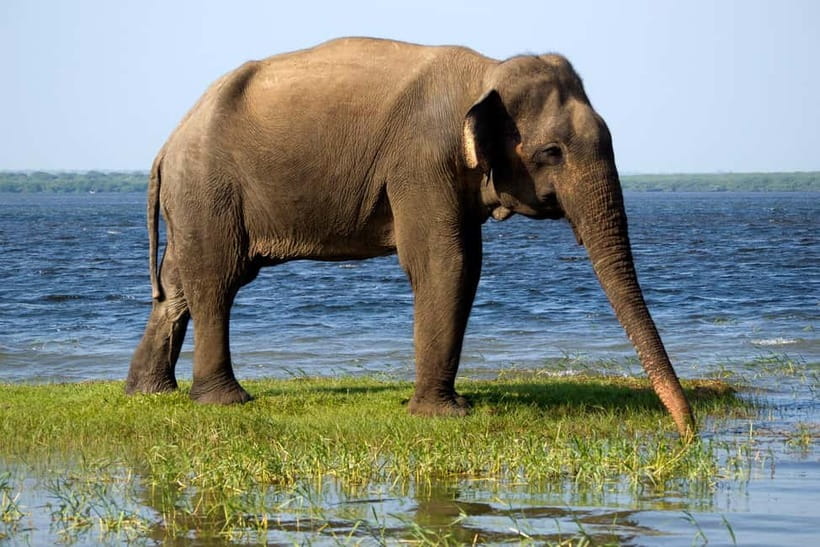
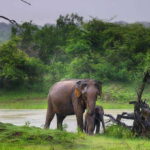
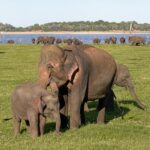
Udawalawe National Park is the main event. The tour is designed to put you in the right place for large herds of elephants and the kind of daily wildlife activity that comes with open plains and steady water sources. Even if you’ve done safaris elsewhere, the mix here is distinctive because elephants are a central character, not a bonus.
Here’s what you’re specifically aiming to see:
- Elephants in numbers, often more than just one or two individuals
- Birdlife (the tour description calls it colorful and specific to the area)
- Other wildlife including crocodiles and water buffalo
- A wider cast that can include reptiles such as iguanas
What makes this more than a checklist is the way guides work the jeep. In your feedback, guides like Pathum and Damith are praised for spotting wildlife quickly, explaining details, and maintaining safety while getting you close enough for real viewing and photos. Names that come up include Hansa (main driving role), Pathum and Damith (safari jeep roles), and Batum (mentioned specifically for helping spot baby elephants). That’s a strong sign you’re not just riding along—you’re getting active help.
Practical mindset for your best results:
- Stay ready to look up and out, not only straight ahead. Birds and reptiles can be easy to miss if you’re scanning at one angle.
- When you hear the guide signal attention, don’t wait to adjust your camera later. Move with the guide’s pace.
- If rain hits (one feedback note says it made sightings harder), expect slower movement and lower visibility. That’s not a “failure,” it’s safari math.
Also, binoculars are provided in the jeep. Use them. It sounds obvious, but on wildlife days, people often stare with the naked eye until they’re disappointed. Binoculars help you identify animals earlier—especially birds and smaller shapes near vegetation.
Elephant Transit Home: why the second stop hits differently
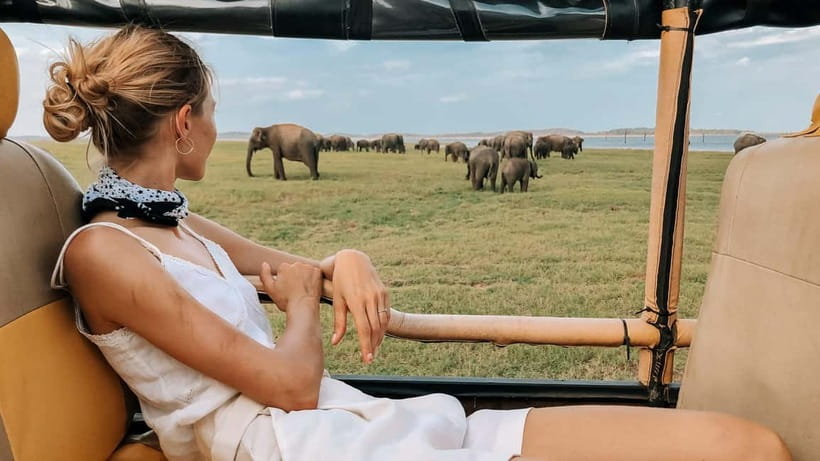
After the jeep time, you’ll visit the Elephant Transit Home. This stop changes the tone from “wild spotting” to “human-supported wildlife care,” and it’s exactly the kind of pairing that makes a short shore excursion feel more meaningful.
The tour info is straightforward: the Transit Home is included as a scheduled experience, and entrance fees are paid separately on the day. What you’ll likely appreciate as you walk through is the focus on elephants that have passed through rescue or relocation processes, and how the facility functions as a stopover point before elephants move onward.
Even if your main goal is seeing elephants in the National Park, I think the Transit Home is the part that helps you connect the dots. Park sightings can feel purely wild and random; the Transit Home gives context to why elephants are present where they are and what support exists when they need it.
And it’s also a smart pacing choice. If safari spotting slows down for any reason—rain, seasonal movement, or just a quiet wildlife moment—you still get a focused elephant experience that doesn’t rely entirely on chance.
Jeeps, guide style, and comfort details that really matter
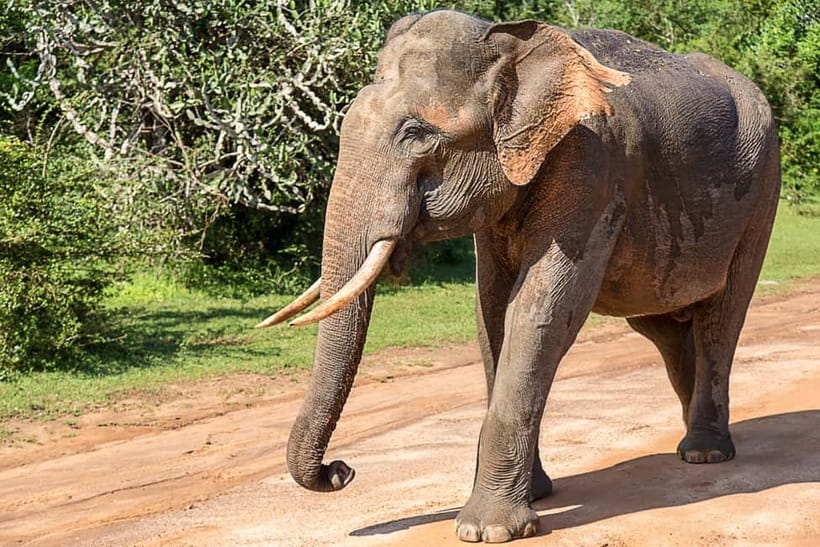
Safari success isn’t only about luck. It’s about comfort, timing, and how the guide handles “stop and go” wildlife viewing. This tour’s included setup emphasizes that: safari jeeps, experienced driving, and an English-speaking guide.
Comfort-wise, you get water and cool drinks included. That’s not a luxury detail in Sri Lanka. It’s the difference between being able to stay alert during long periods of scanning and getting drained. It also helps on early starts, when you’re awake but still not fully ready.
The guide quality is a repeated theme in the feedback you supplied. People mention guides being passionate about wildlife, explaining interesting details, and taking extra care to position the jeep safely for viewing. Some also specifically mention that guides asked for preferences (like wanting coffee or snacks) and were attentive about helping with spotting and photos.
Two practical notes to keep you from getting surprised:
- Entrance fees are separate. If you show up thinking everything is included, you may feel annoyed mid-day.
- Some people have mentioned that they expected extra snacks beyond what’s listed. The tour includes water and cool drinks, so if snacks matter to you, plan to buy/bring a little something just in case.
You can also read our reviews of more tours and experiences in Colombo






Wildlife odds: what’s likely, what isn’t guaranteed, and how to think about it
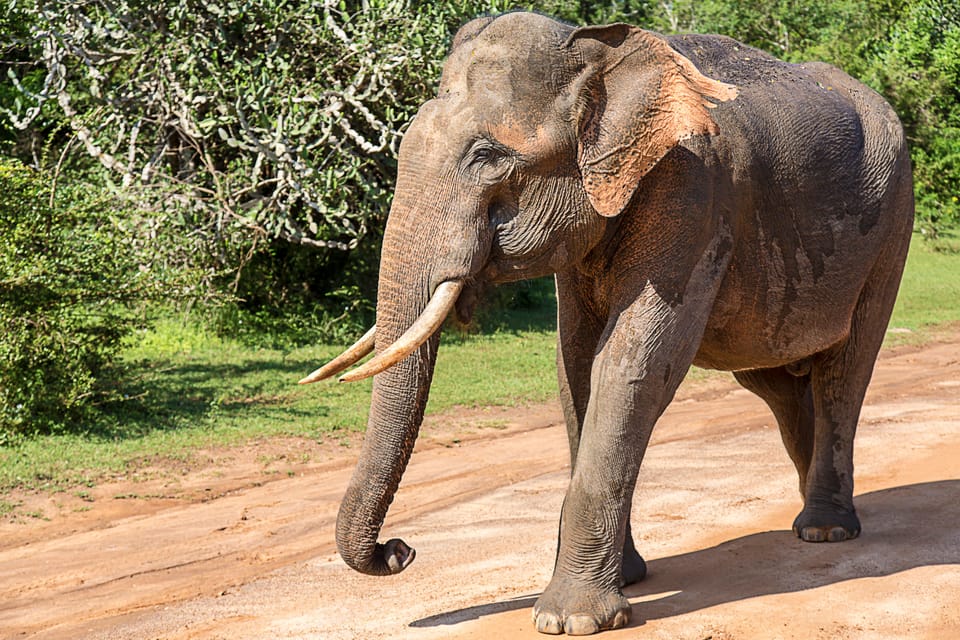
Udawalawe is known for elephants, and your tour description leans hard into that promise: large herds, strong elephant sighting chances, and a lot of birdlife. So your baseline expectation should be an elephant-focused day with plenty of movement.
Still, nature is nature. One feedback note mentions that certain big cats aren’t always part of the day’s results, and another mentions rain and the feeling of too many jeeps causing “traffic” when trying to spot animals. You can’t control those factors, and they’re not a sign the day is bad. They just affect what’s visible in any given hour.
So, how should you judge the trip?
- Judge it by whether you get active guiding and smart spotting, not by whether you see a rare animal.
- If elephants are the target, this tour is built around making that likely.
- If you want a specific species that’s rare, you’ll need to treat it as a bonus, not an entitlement.
If you’re traveling with a camera, the guide’s ability to find animals safely matters a lot. One of the most praised aspects in the feedback is getting close enough for photos without unsafe behavior. That’s a big deal in a place where animals can approach vehicles on their own terms.
Price and value: is $51 a fair deal from Hambantota Port?
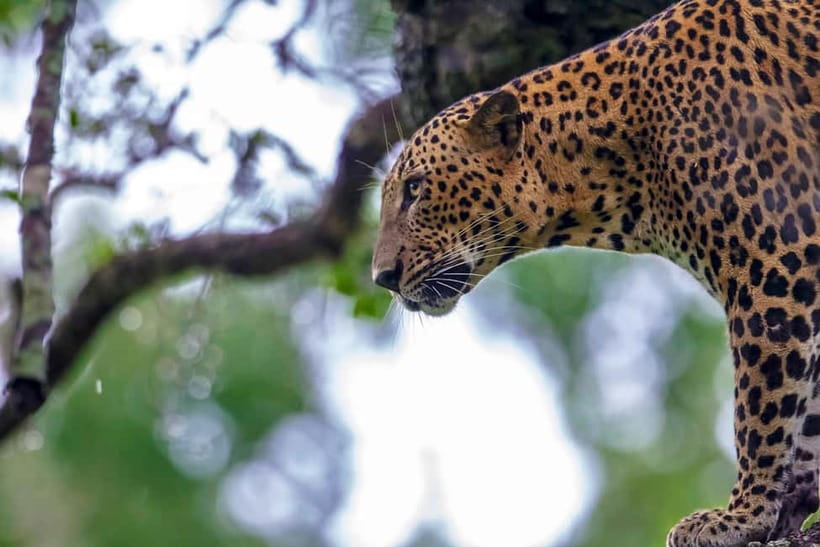
$51 per person is positioned as low-cost for a one-day National Park safari that includes transport and guiding. On paper, that’s good value. In real life, the question is what’s missing—and you should know that up front.
What you pay for with the price:
- Pickup and drop-off from Hambantota Port (and nearby Hambantota areas/hotels)
- Safari jeep transport and an English live guide
- Water and cool drinks
- Binoculars provided
- On-time port return handling
What’s not included:
- Udawalawe National Park entrance tickets
- Elephant Transit Home entrance tickets
That separation is the main “sting” of the price. But it’s also fairly normal for wildlife tours. I’d budget extra for entry fees so you don’t feel like the day got more expensive after you’ve already committed.
Where it feels like good value is the part you can’t easily replicate yourself on a shore day: timed transport, safari jeep guiding, and a focus on getting you back to port on schedule. If you had to hire a driver and arrange everything yourself from scratch, you’d likely lose time and pay more stress than money.
Bottom line: the price looks fair if you’re using the service for what it’s best at—a structured safari day with port logistics handled.
Who should book this Udawalawe safari and who should pass
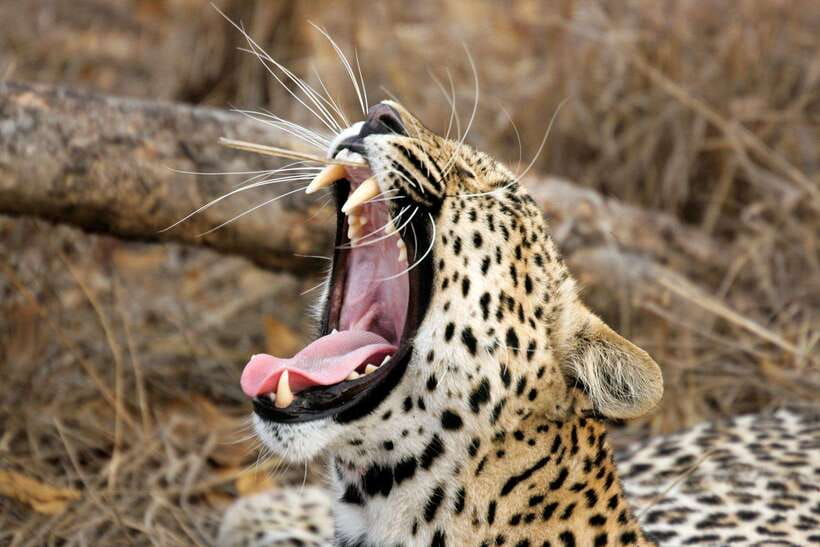
I’d book this if:
- You’re staying around Hambantota or you’re on a cruise and need a shore excursion that returns on time
- You want elephants plus other wildlife like crocodiles, buffalo, and lots of birdlife
- You prefer an English guide and don’t want to plan transport yourself
- You care about comfort basics like included drinks and a safari jeep instead of cramped rides
I’d rethink it if:
- You’re trying to squeeze in very tight schedules before/after port time (this tour is built around getting you back to the port)
- You hate paying entrance fees separately and would rather have everything bundled
- You’re expecting a guaranteed sighting of any one rare species. Here, the elephant focus is strong, but wildlife outcomes always have variables.
This tour is also a good fit for mixed-interest groups: some people go for elephants, others enjoy birds and reptiles, and the Transit Home gives the day extra meaning beyond “drive and hope.”
Should you book Udawalawe Safari from Hambantota Port?
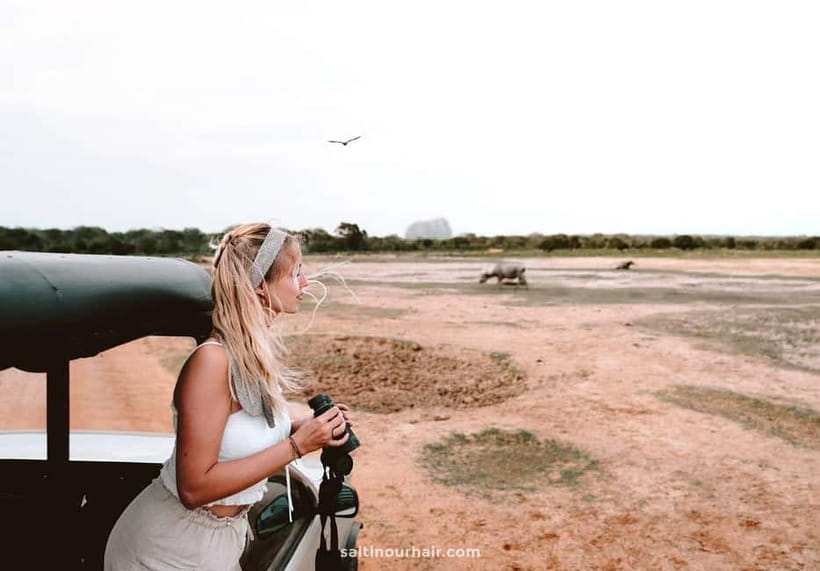
Yes, if you want a simple, port-friendly wildlife day that prioritizes transportation, guiding, and a real elephant component. The structure is the selling point: pickup from the dock area, safari jeep time in Udawalawe, then the Elephant Transit Home, all wrapped with a guaranteed return to Hambantota Port.
Before you hit book, do two quick checks:
- Budget for park and Transit Home entrance fees paid on arrival.
- If you have a specific wildlife dream, keep expectations flexible and focus on the strong elephant-and-bird foundation instead.
FAQ
Do I get picked up from Hambantota Port?
Yes. Pickup and drop-off are included from Hambantota Port, and the service also covers pickup/drop-off from Hambantota hotels or nearby Hambantota areas.
How long is the Udawalawe safari shore excursion?
It’s listed as a 1-day experience.
Are entrance tickets to Udawalawa National Park included?
No. Entrance fees to Udawalawa National Park are not included, and you can pay on arrival.
Are entrance fees to the Elephant Transit Home included?
No. Entrance fees to the Elephant Transit Home are not included, and you pay on arrival.
Is there an English-speaking guide?
Yes. The tour includes a live tour guide in English.
What’s included during the safari?
You get water and cool drinks, safari jeep transport, and included transport overall. Binoculars are also provided.
What wildlife can I look for during the safari?
You can look for elephants and a variety of wildlife such as crocodiles, buffalo, and different species of birds.
Does the tour return on time to the port?
The tour description states an on-time return to Hambantota Port is guaranteed.
Is free cancellation available?
Yes. Free cancellation is available up to 24 hours in advance for a full refund.