REVIEW · COLOMBO
Mirissa Whale Watching, Tour A Once-in-a-Lifetime Experience
Book on GetYourGuide →Operated by TRAVRI.com · Bookable on GetYourGuide
A single boat ride can feel like a front-row seat to Earth’s biggest animals. Off Mirissa, you set out for open-ocean sightings of blue whales and the sort of encounters that make your camera work overtime. I love how the trip ties together the thrill of the sea with a real focus on marine life, not just a quick look-and-go.
I also like the practical side: you get safety equipment and a live guide, so you’re not left guessing what you’re seeing. One drawback to keep in mind: sometimes communication and meeting details can be messy, and whale time at sea can feel brief when sightings are fast.
If you’re in season, this is one of Sri Lanka’s best wildlife bets. I like the way the route is built around the Indian Ocean’s whale habitat, with a realistic chance to spot sperm whales (the deep-water specialists) and playful pods of dolphins. Still, patience matters: animals don’t perform on a schedule, and you may not get a long, drawn-out viewing window every time.
In This Review
- Key Things to Know Before You Go
- Mirissa Whale Watching: Why This Coast Works
- Season and Timing: When Blue Whales Are Most Likely
- The 3.5 Hours at Sea: What Your Time Actually Looks Like
- What You’re Watching For: Blue Whales, Sperm Whales, and Dolphins
- Blue whales: the star of the show
- Sperm whales: the long-underwater story
- Dolphins: the energy bonus
- The Guide on the Boat: How Much You’ll Learn
- Boat Views: Coastline Scenery Meets Wildlife
- Price and Value: Is $64 Worth It?
- Logistics That Can Make or Break Your Day
- Who This Is Best For (and Who Should Rethink It)
- Pair It With Mirissa Beach and Local Food Time
- Should You Book This Mirissa Whale Watching Tour?
- FAQ
- How long is the Mirissa whale watching tour?
- What can I see during the tour?
- What’s included in the price?
- Are entrance fees included?
- What language is the guide?
- Is free cancellation available?
Key Things to Know Before You Go
- Blue whales are the main target during the best months off Mirissa
- Sperm whales and dolphins can appear in the same general waters
- A live English guide explains marine life and conservation priorities
- You’re on a 3.5-hour outing, so watch time can be punchy
- Safety equipment is included, which helps you feel settled on the water
Mirissa Whale Watching: Why This Coast Works
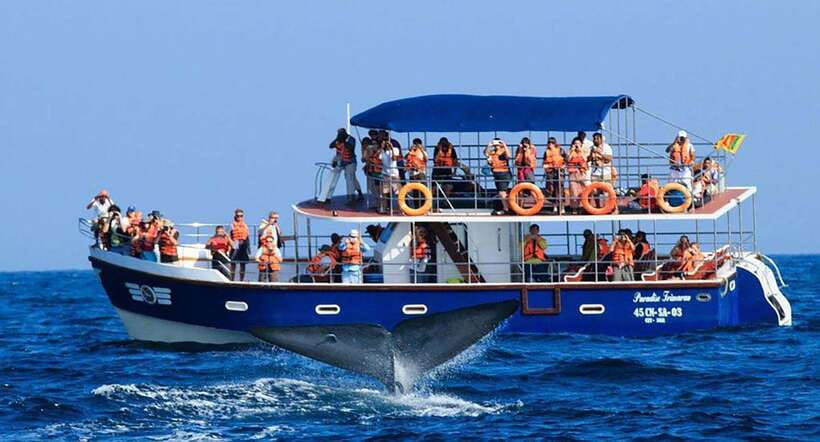
Mirissa sits on Sri Lanka’s southern coast, facing the Indian Ocean, where marine life gathers and moves through seasonal routes. That’s the big reason this spot has earned its reputation: when conditions line up, the whales you’re hoping to see are nearby.
This is not a zoo. It’s a search in open water. When you get a surface event, it’s spectacular, but the best strategy is to manage your expectations: whales are wild, and your time is shared with wind, waves, and animal behavior.
The practical win here is that the whole experience is designed around sightings. You’re out long enough to make contact with the action, but short enough that you’re not spending your entire day chasing one log-like body breaking the surface.
You can also read our reviews of more whale watching tours in Colombo


Season and Timing: When Blue Whales Are Most Likely
The tour season highlighted for whale watching off Mirissa runs from November to April. If you’re traveling in those months, you’ll be choosing the period when the waters are reported to be busy with blue whales, sperm whales, and dolphins.
Timing matters because the sea can be calmer earlier in the day. Many whale-watching trips in Mirissa start early morning for that reason—less chop makes spotting easier and helps you stay comfortable. Even if your exact start time varies by operator, you should still expect an early feel to the day, since that’s when the search tends to work best.
One more timing truth: your odds are tied to conditions. If weather or sea state is rough, the experience can shift from a steady search to shorter, more stop-and-go looking. Don’t treat the whale sightings like a guarantee. Treat them like the top prize you’re going after.
The 3.5 Hours at Sea: What Your Time Actually Looks Like
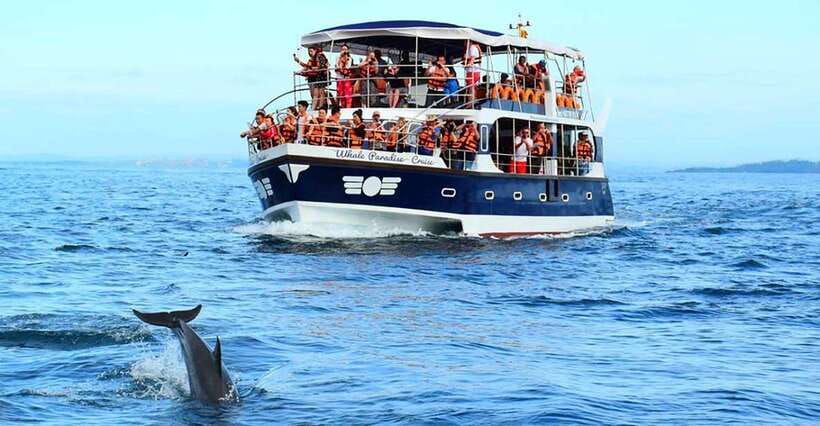
Your booking runs about 3.5 hours from first activation. That’s a helpful number because it tells you the trip is built to fit into a half-day plan—not a full-day commitment.
Here’s the typical flow you should plan for:
- You get organized at the start and go over basic safety and spotting expectations.
- You head out from the coast into open water where whale activity is more likely.
- You search and wait, then respond quickly when animals surface.
- You spend the best available time watching, usually in short windows of action.
- You return once the outing time is up.
Why this matters: one person’s disappointment is another person’s reality check. If sightings happen quickly, your time can feel fast. If sightings are scarce, your time can feel like waiting. The key is knowing you’re signing up for a real wildlife hunt, not a staged performance.
Also, remember that “watching” isn’t always constant. Sometimes it’s quiet scanning for spouts or tail signals, then sudden excitement when you find what you came for. Bring a mindset that likes variety—stillness, then payoff.
What You’re Watching For: Blue Whales, Sperm Whales, and Dolphins
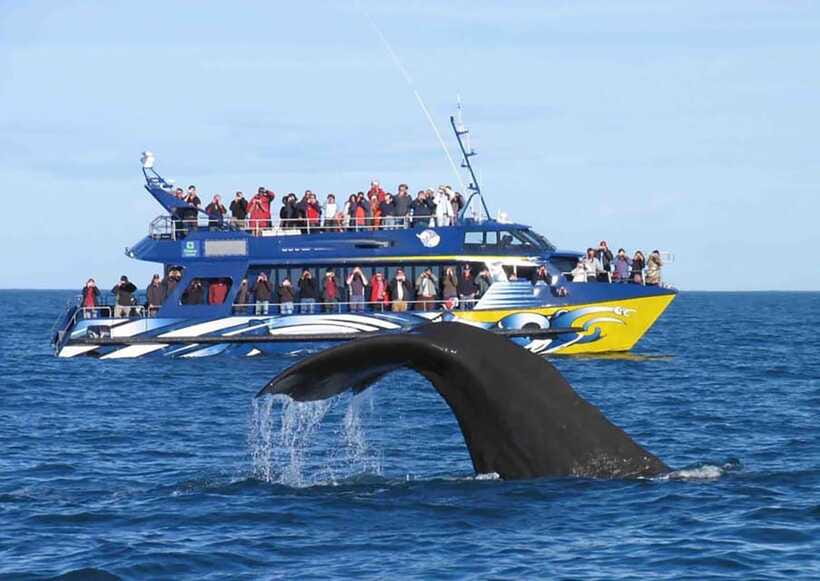
The headlines are the big three: blue whales, sperm whales, and dolphins. Here’s what that means for your experience.
Blue whales: the star of the show
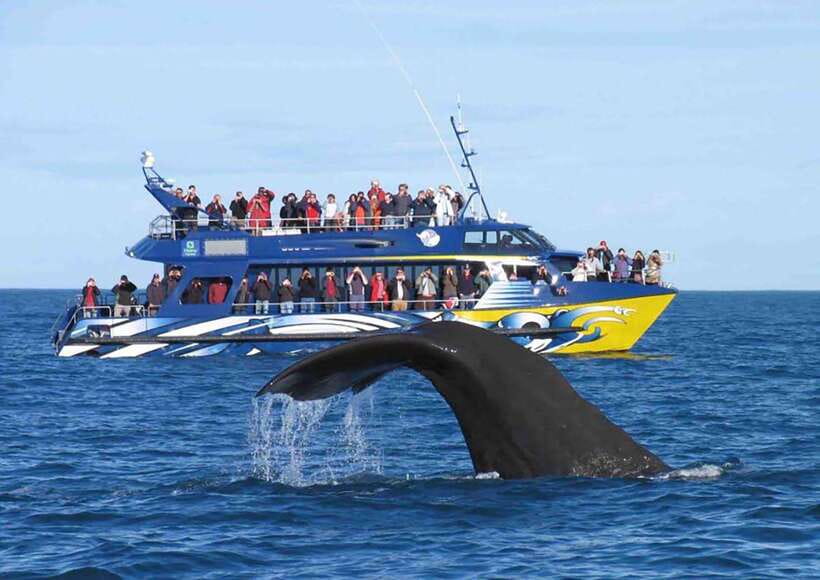
Blue whales are the largest animals on Earth, and in these waters they’re the main draw during the season. When one surfaces, it’s not subtle. Even without perfect binoculars, you’ll notice how different it is from smaller animals—the size comes through in the way it moves and the look of the blow.
Blue whale encounters tend to feel like a moment in slow motion: you’re watching something massive move with calm power. If you get even one good view, that alone can justify the whole trip.





Sperm whales: the long-underwater story
Sperm whales are known for going to very deep water and staying underwater for long stretches. Practically, that changes how you experience the hunt. You might see longer gaps between surface events, then a dramatic appearance that feels like it came out of nowhere.
When you spot them, pay attention to timing. You’re not just looking at a body—you’re watching a cycle: surfacing, breathing, then disappearing again. That rhythm is part of the thrill.
Dolphins: the energy bonus
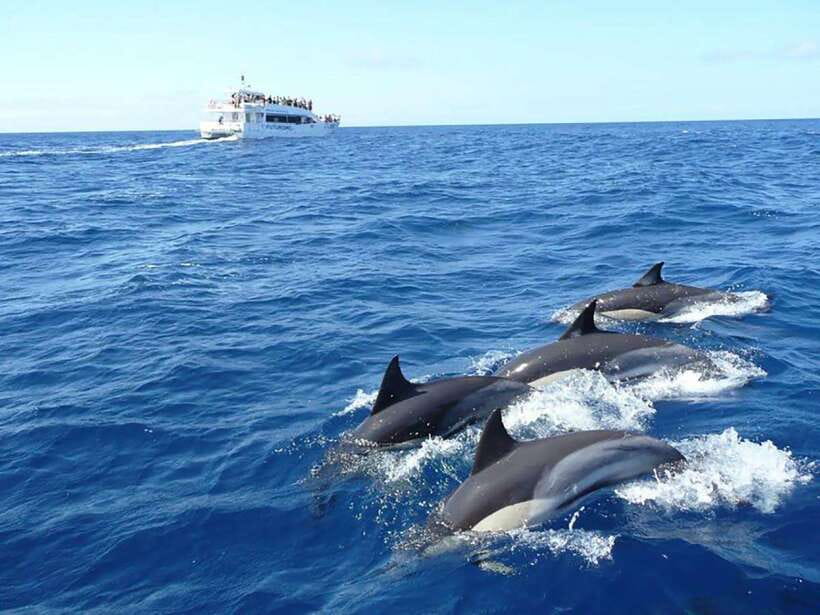
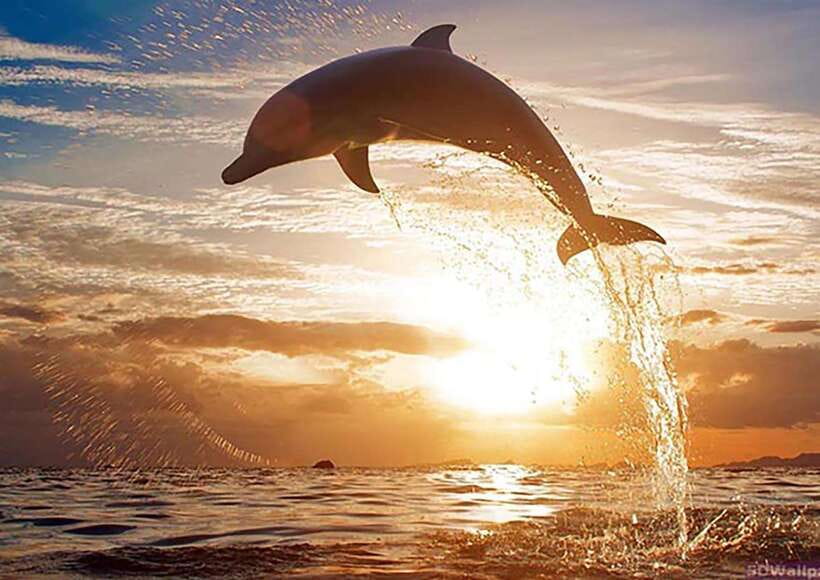
Dolphins often show up with more frequent activity: leaping, circling, or approaching the boat. That’s a morale booster during the slower moments of the search. Even if the whales are the main goal, dolphins can make the outing feel alive while you wait.
The Guide on the Boat: How Much You’ll Learn
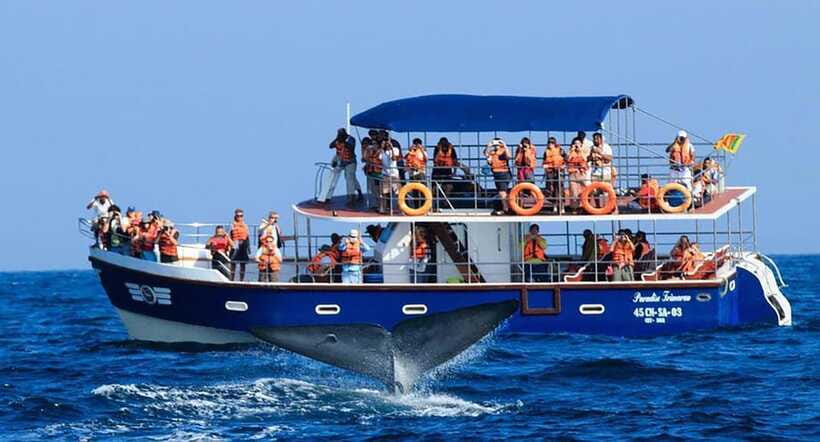
This tour lists a live tour guide in English, which is great because you’ll likely understand what’s going on when you’re scanning the water. A good guide also helps you separate “stuff you see” from “stuff you can interpret.”
You should expect the guide to talk about:
- Marine life behavior and habitat basics
- Why ocean conservation matters
- What to watch for when whales or dolphins surface
From what’s been reported about past guides, the goal is clear and many crew members are friendly and trying hard to make the experience work. One name that comes up is Subhash. On one occasion, he arrived on time and was pleasant, but English communication was limited, which meant there wasn’t much detail to process.
So here’s my practical advice: if English is important to you for learning, try to confirm guide language expectations in advance. If you don’t get much explanation, still enjoy the mission—whale watching can be worth it even when the commentary is thin.
Boat Views: Coastline Scenery Meets Wildlife
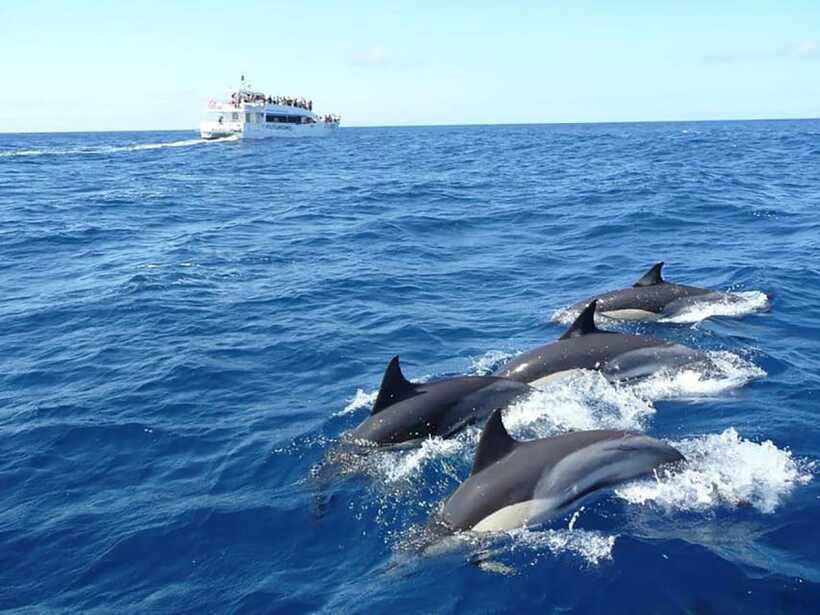
Whale watching off Mirissa isn’t only about animals. Being on the Indian Ocean while the coastline stretches nearby gives you a sense of place. You get sea views that feel open and real, not boxed in.
That matters because it changes your mood. Even when sightings are slow, you’re not stuck indoors. You’re outdoors, in motion, watching weather patterns and water behavior. The sea itself tells you something—waves, wind direction, and water conditions influence where animals might be active.
If you enjoy photography, the setup is naturally good for wide shots. When whales surface, you can often capture the moment with context: animal + ocean + coastline feeling all in one frame.
Price and Value: Is $64 Worth It?
At $64 per person for about 3.5 hours, this falls into a budget-to-midrange category for wildlife tours. Whether it feels like value depends on two things: how likely your outing is to deliver sightings, and how smooth the experience is on the day.
Here’s what you do get for your money:
- A guided whale-watching tour
- A live guide
- Safety equipment
- The experience of looking for blue whales, sperm whales, and dolphins
Here’s what you don’t get:
- Entrance fees (none are listed as included)
- Transportation to or from the start point
- Personal expenses
The biggest value question is this: will you get meaningful spotting time? The good news is Mirissa is one of Sri Lanka’s known whale-watching areas in season. The reality is that some trips can feel short on action if sightings surface quickly and then move on, while others are mostly scanning. That variability is built into whale watching everywhere.
If you’re traveling with flexibility and understand that wildlife is unpredictable, the price can feel fair. If you need a very structured experience with lots of guaranteed viewing time, manage expectations before you buy.
Logistics That Can Make or Break Your Day
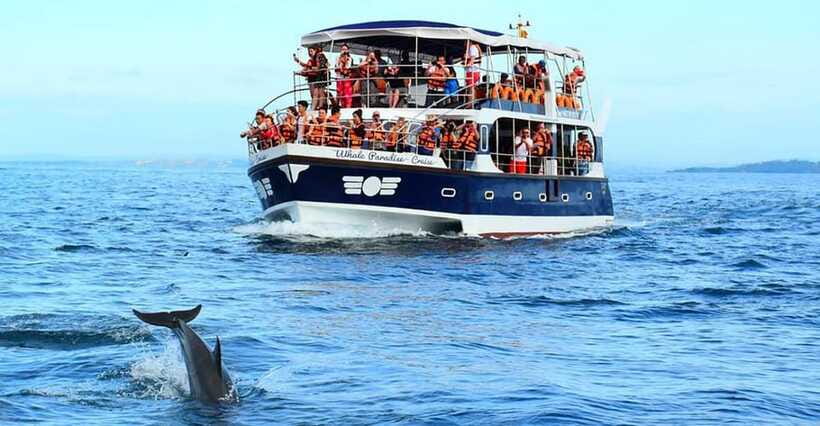
Two small issues can impact the experience more than you’d think: meeting clarity and language support.
Meeting info is supposed to be straightforward, but there have been situations where contact didn’t happen after booking, leaving people unsure about meeting place details. You can avoid that by doing a simple step before departure: confirm the meeting point, exact time, and contact method. If you don’t get clear details, ask again. Don’t assume it will sort itself out.
Language can also shape your experience. Even if the guide is friendly, limited English can mean you get fewer explanations about what you’re seeing. If you’re the type who loves learning patterns (how spouts indicate position, what surface behavior means, why dolphins react), you’ll get more from a strong communicator. If not, you can still enjoy the wildlife, but your learning payoff may be smaller.
And yes—your comfort matters. Sea conditions affect how long you feel good outside. Dress for wind and spray, and bring what you need to stay comfortable for a half-day on open water.
Who This Is Best For (and Who Should Rethink It)
This tour is a strong match if you:
- Want a half-day nature outing with a real chance at blue whales
- Like being outside, scanning, and reacting to sightings
- Are traveling in November to April and want to time it right
It may be less satisfying if you:
- Want a guaranteed, long viewing window every time
- Need a lot of English interpretation to feel satisfied
- Get frustrated easily when plans depend on weather and animal behavior
If you’re pairing activities in Mirissa, this whale watch is ideal as a morning plan. You’ll have time afterward for a beach reset and local food without feeling rushed.
Pair It With Mirissa Beach and Local Food Time
Your whale-watching window is only a few hours, which makes it easy to build a full morning or early afternoon in Mirissa. The area offers Mirissa Beach for downtime, plus Parrot Rock nearby if you want a scenic stop before or after your boat time.
And because you’re in a coastal fishing town, fresh seafood is part of the vibe. If you feel a bit seasick or just tired from being out in the wind, plan for a slow sit-down meal afterward. You’ll enjoy it more than if you rush straight into another big activity.
Should You Book This Mirissa Whale Watching Tour?
I’d book it if you’re traveling in the November to April season and you’re okay with wildlife variability. The potential payoff is huge: blue whales at the surface, sperm whales with their deep-water rhythm, and dolphins adding extra energy.
Before you commit, do two quick checks that protect your day:
- Confirm meeting details and contact method ahead of time, so you’re not scrambling at the harbor.
- Set your expectation that the outing is a 3.5-hour search where action may come in bursts, not a long, constant “spotting session.”
If you’re the type who loves nature and understands that whales are wild animals doing wild-animal things, this is exactly the kind of outing that can turn into a core memory.
FAQ
How long is the Mirissa whale watching tour?
The experience runs for 3.5 hours from first activation.
What can I see during the tour?
The tour targets blue whales, sperm whales, and dolphins in the Indian Ocean off Mirissa.
What’s included in the price?
Included items are a guided whale-watching tour, a live guide, safety equipment, and Sharing Cures as listed by the provider.
Are entrance fees included?
No. Entrance fees are not included.
What language is the guide?
The tour offers a live tour guide in English.
Is free cancellation available?
Yes. You can cancel up to 24 hours in advance for a full refund.