REVIEW · COLOMBO
From Colombo to Galle Fort and Jungle Beach Day Trip
Book on GetYourGuide →Operated by Vidu Ceylon Tours (Pvt) Ltd · Bookable on GetYourGuide
That first glimpse of Galle Fort walls hits fast. This one-day coast-and-culture route links Portuguese-Dutch Galle Fort with Buddhist stops, river wildlife, and a quieter end at Jungle Beach. I like how the day keeps moving without feeling rushed, and I especially like that the guide’s explanations turn each stop into something you can actually picture.
I also love the animal-and-nature mix: stilt fishing along the coast, a boat ride through the mangroves on the Madhu River, and time around turtles in Hikkaduwa. You’ll get practical, hands-on moments too, like fish therapy and the chance to hold a crocodile at the included stop, depending on site rules that day.
One thing to plan around: it’s a full day with lots of sun and walking. Bring comfortable shoes and be ready for heat and humidity, especially once you’re out near the coast.
In This Review
- Key moments that make this tour work
- From Colombo to the Coast: How This 1-Day Route Really Feels
- Kalutara Bodhiya: Buddhist Traditions and the Sacred Bodhi Tree
- Hikkaduwa Turtle Stop: Sea Life and Conservation Without the Guesswork
- Madhu River Safari and Fish Therapy: Mangroves, Wildlife, and a Different Kind of Fun
- Tsunami Village Visit: Seeing Resilience, Not Just Scenery
- Galle Fort Inside the Ramparts: Portuguese and Dutch Layers in Real Life
- Stilt Fishermen and Temple Time Near Galle: Coastal Culture in Motion
- Jungle Beach: The Best Way to End a Full Day
- Price and What’s Included: Is $70 Actually Good Value?
- Who This Tour Fits Best (and Who Should Think Twice)
- Should You Book This Colombo to Galle Fort and Jungle Beach Day Trip?
- FAQ
- Where does the tour start?
- How long is the experience?
- What does the price include?
- Is lunch included?
- Do I need to buy entry tickets separately?
- What should I bring?
- Are there rules about marine life and photos?
- What languages are available for the live guide?
Key moments that make this tour work
- UNESCO Galle Fort with a guided walk inside the Portuguese-and-Dutch layers
- Kalutara Bodhiya (Kalutara Temple) and its famous sacred Bodhi tree
- Hikkaduwa turtle time tied to conservation and sanctuary-style learning
- Madhu River safari by boat through mangroves where wildlife is the point
- Tsunami village visit that shows real community recovery
- Jungle Beach unwind right after the busiest, most crowded areas
From Colombo to the Coast: How This 1-Day Route Really Feels
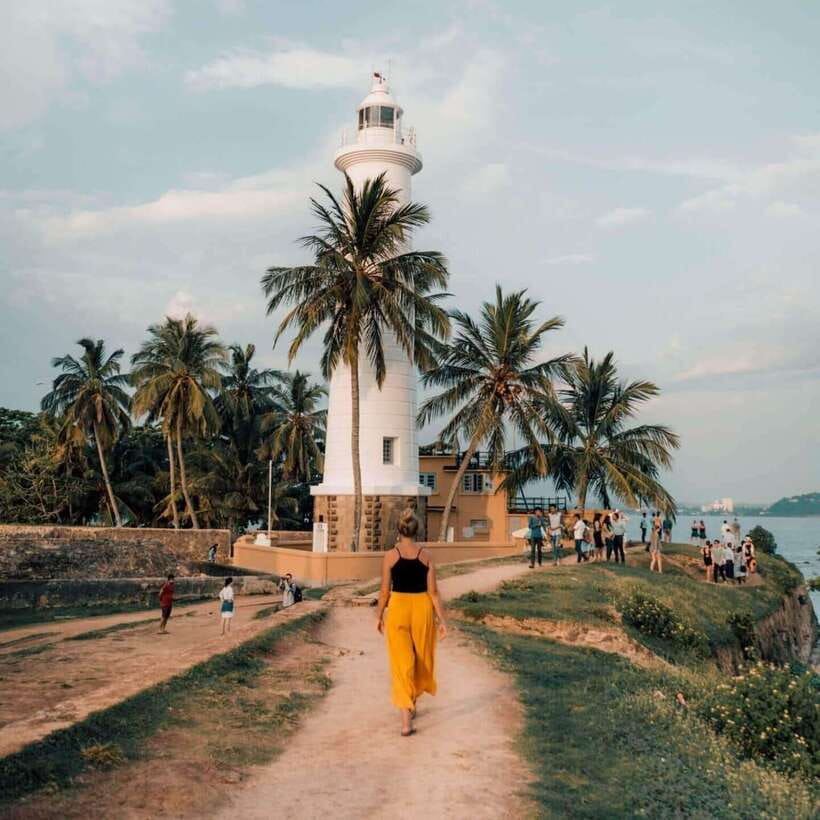
This is a classic southern Sri Lanka day trip: you start in Colombo and spend the day working your way toward Galle and the coast. It’s built for people who want a lot packed in, but still want someone else to manage timing and entry details.
The pace usually depends on traffic, but the structure stays consistent. You’ve got planned sightseeing chunks, guided time inside key areas, and short breaks built around photos, beach time, and wildlife stops. The group is private, and pickup is handled with a driver who shares live location, so you’re not trying to find a car you can’t locate.
If you’re the kind of traveler who likes options, you’ll appreciate that guides often tailor small choices on the fly. That shows up a lot in the way guides handle shopping stops, photo time, and pacing for comfort.
You can also read our reviews of more tours and experiences in Colombo
Kalutara Bodhiya: Buddhist Traditions and the Sacred Bodhi Tree
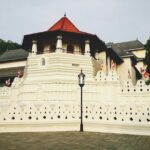
Your day begins with Kalutara Temple, also known as the Kalutara Bodhiya. This stop is calmer than the coastal crowds later in the day. It’s a good place to reset your mind before you hit the busier sightseeing zones.
Why it’s worth your time: the temple is famous for its sacred Bodhi tree, described as a descendant of the tree associated with the Buddha attaining enlightenment. Even if you’re not a religious history buff, you’ll feel the importance here—people come to observe, pray, and spend a little quiet time in a very specific kind of atmosphere.
Practical tip: dress respectfully and keep your pace slow. You’ll likely be standing and walking around temple grounds, so your comfortable shoes matter more than you think.
Hikkaduwa Turtle Stop: Sea Life and Conservation Without the Guesswork
After Kalutara, you move toward Hikkaduwa, a beach town known for coral reefs and marine life. This is where the day turns more animal-focused.
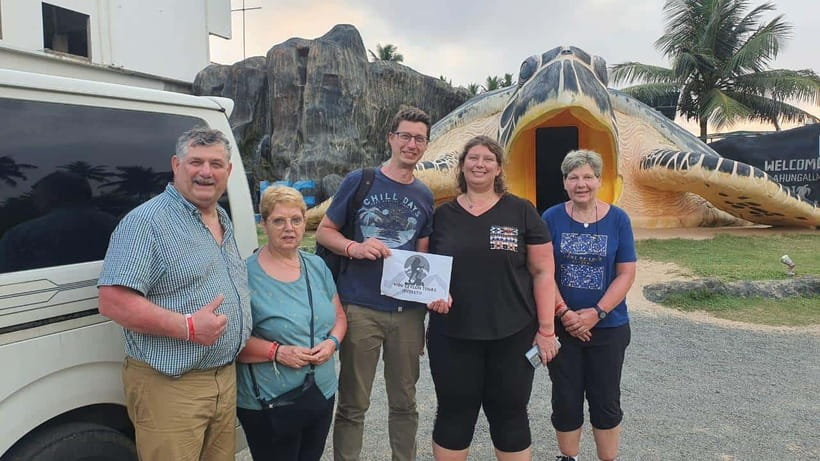
You’ll visit a turtle sanctuary-style area connected to conservation. The value here isn’t only the chance to see turtles—it’s the learning. You can expect information on why these efforts matter and how the sanctuary approach helps protect turtles.
You may also get turtle-related experiences like feeding or handling rules that the site allows. Some parts of turtle interaction depend on the day’s operations, so listen closely to your guide’s instructions before you enter the activity area.
Important: the tour rules say touching marine life isn’t allowed. That’s not meant to ruin your fun; it protects animals and keeps you from getting in trouble at the site.
Madhu River Safari and Fish Therapy: Mangroves, Wildlife, and a Different Kind of Fun
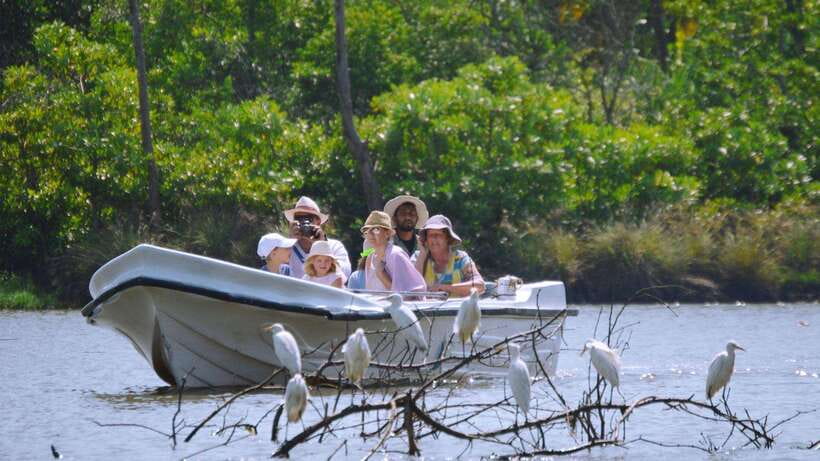
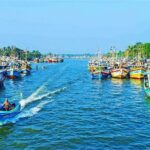
Next up is the Madhu River. This is one of those stops where the scenery is doing half the work. You ride a boat along the river through mangrove areas, which changes how you see the coastline—less beach, more living ecosystem.
What you’re looking for is wildlife: birds and other animals that use the mangroves and river margins. You might spot monkeys, and you may notice how the ecosystem shifts with the waterway.
Fish therapy is also included. This isn’t everyone’s favorite thing, but it’s often a memorable, low-cost thrill because it turns a nature stop into a hands-on moment. If you’re cautious about bodily contact, you can still enjoy the boat portion and treat the therapy as optional in spirit, even though the ticket is part of the plan.
You may also see crocodiles as part of the included activities. Some guides and sites include time for holding a crocodile; how it’s handled depends on safety rules at the visit. The key is that this tour includes the ticket side of these animal experiences.
Tsunami Village Visit: Seeing Resilience, Not Just Scenery
You’ll also stop at a tsunami village. This is one of the most important parts of the day, even though it isn’t the most glamorous on paper.
What you gain here is context. The tsunami changed coastal communities across Sri Lanka, and this visit is meant to show recovery work and how people rebuilt their lives. It’s a meaningful reminder that you’re not just sightseeing on a postcard.
It’s also a good moment to slow down your thinking. Spend a few minutes observing how the community is structured now, rather than trying to turn the visit into quick photos.
If you want to be extra respectful, keep your questions simple and your photo habits controlled. Your guide will know what’s appropriate at each house and meeting space.


Galle Fort Inside the Ramparts: Portuguese and Dutch Layers in Real Life
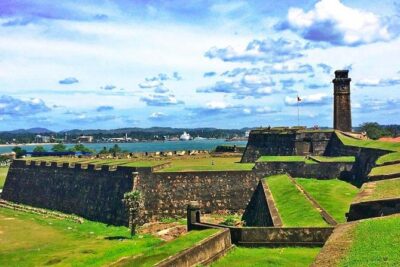
Then comes the big one: Galle Fort, the UNESCO World Heritage site and your highlight. This place works because it’s not a single-style monument. You see Portuguese-era origins, later Dutch fortification, and architectural mixing that feels practical and lived-in.
Your guided time inside the fort is where the stories make sense. The walk along the ramparts gives you ocean views that are hard to forget, and the fort streets feel like a small city with its own rhythm. Expect cobblestones, historic buildings, museums, and a slow-to-walk layout that rewards you for taking your time.
A useful tip: wear shoes that work for uneven ground. You’ll do real walking, and some parts of the fort are easier to navigate if you’re not stuck in slippery soles.
Also remember the photo rule: photography is allowed, but avoid flash inside historical buildings. If you like night photography, you’ll want to plan for outdoor angles, not indoor flash.
Stilt Fishermen and Temple Time Near Galle: Coastal Culture in Motion
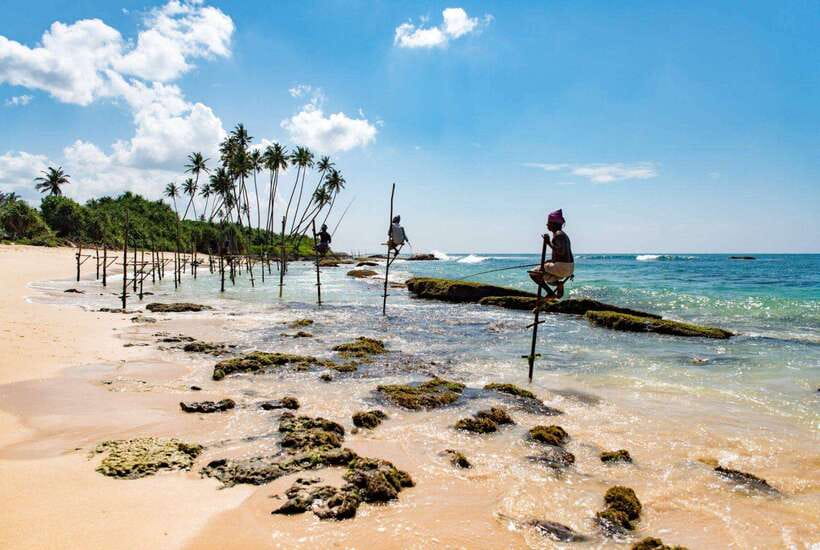
Along the way, you’ll see stilt fishermen. This is one of those Sri Lankan sights that looks cinematic but stays grounded in real tradition: fishermen perch on stilts in shallow water, casting from a platform right above the sea.
This tour includes tickets for that stop, and the time window is usually short. So be ready: get in position, watch the workflow, and take your photos without blocking sightlines.
Temple time continues near Galle too, including stops like Wawurukannala Viharaya, known for its large Buddha statue and intricate murals. If you’re into art, this is a satisfying break from the fort walls and beach stops. Even if you’re not, it adds a spiritual layer that makes the region feel bigger than just colonial stone.
Jungle Beach: The Best Way to End a Full Day
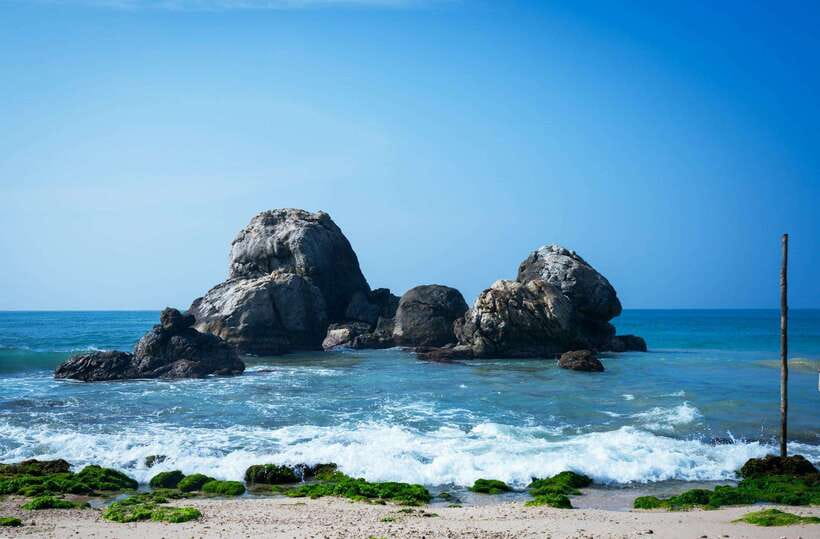
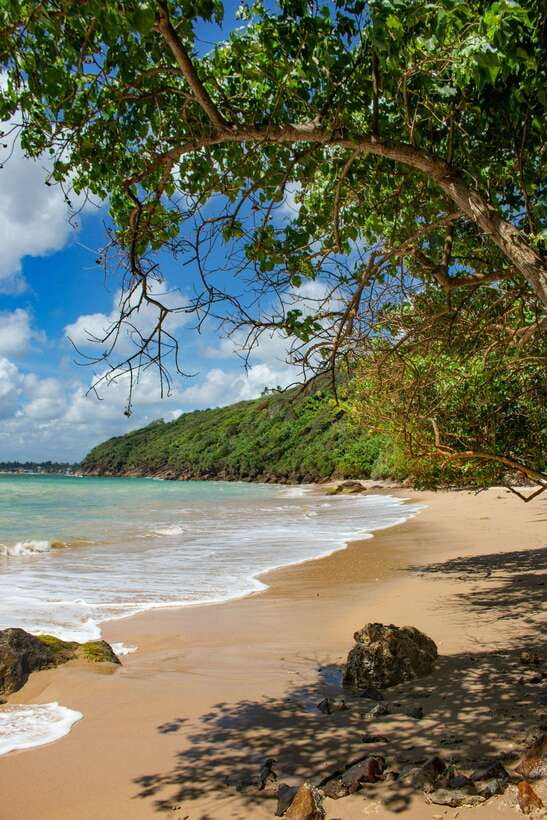
By the time you reach Jungle Beach, the mood changes. This beach is described as secluded and surrounded by lush jungle, with clear water where you can relax.
This is your reward for getting through the busier parts of the day. Take a swim if conditions are right, or just sit in the shade and let the ocean do its job. It also helps you avoid the classic mistake of trying to squeeze beach time into the middle of your schedule.
Tour tickets for Jungle Beach are included, so you won’t lose time at entry. Still, follow the same site rules: don’t touch marine life, and keep plastic out where it’s not welcome. The tour specifically asks you not to bring plastic bags, which is a simple way to reduce damage on fragile coastlines.
Price and What’s Included: Is $70 Actually Good Value?
At around $70 per person, the value depends on what you compare it to. You’re not just getting a driver. You’re getting guided time at Galle Fort, entry into the fort, temple entries, and paid stops for things like stilt fishermen and Jungle Beach.
The included list also covers several “activity-feeling” moments: fish therapy in the Madhu River area and crocodile-related activities (ticket included), plus turtle-related handling or photo time rules where the site allows. You also get a bottle of water and a Sri Lankan king coconut, which is genuinely useful in the heat.
What’s not included is lunch. You’ll want to plan for that mentally so you’re not stuck searching when you’re hungry. If you hate making choices on the fly, eat something light in the morning and treat lunch as part of your flexible plan at one of the coastal towns.
Also note what’s not included: the turtle farm and additional Maaduriver safari islands. That’s fine for most people, but if you’re specifically hoping for bigger island-hopping, you may need a different add-on tour.
Bottom line: for a one-day private route that bundles multiple paid entries and guided fort time, this price often feels fair. It’s especially worth it if you’d otherwise struggle to coordinate transport and tickets on your own.
Who This Tour Fits Best (and Who Should Think Twice)
This tour suits you if you want a single-day hit of southern Sri Lanka without the hassle of planning each stop. It’s great for first-timers to the area and for people who love mixing culture with nature: temples, fort walls, river wildlife, and beach time.
It also works well if you like being with a guide for the context. Guides here are repeatedly praised for doing more than reciting facts. Names that come up a lot include Charith, Manoj, Shaminda, Lakmal, and Mashud, and the common thread is that they help with pacing, explanations, and photos.
Think twice if you hate long car rides or dislike walking in heat. This is a full day. You’ll move from Colombo toward the coast, spend time around temples and forts, and end at a beach. If your ideal day is slow and quiet, you might prefer a shorter route with fewer stops.
Should You Book This Colombo to Galle Fort and Jungle Beach Day Trip?
Yes, if you want maximum value from a single day and you’re okay with a packed schedule. The tour’s strongest point is the mix: you get real cultural anchors (temples and fort), nature stops that feel different (Madhu River boat time), and a satisfying finish (Jungle Beach).
Book it especially if you care about the guided part of Galle Fort. The fort is the kind of place where context matters. With a guide, you’ll notice details you’d otherwise miss—and you’ll spend less time guessing where to go next.
Skip it (or consider a modified plan) if you need a relaxed pace or you’re sensitive to sun exposure. Bring the basics—hat, sunscreen, insect repellent, and shoes that won’t complain after a few hours.
Tour provider: Vidu Ceylon Tours (Pvt) Ltd.
FAQ
Where does the tour start?
Pickup is included from Colombo.
How long is the experience?
It’s listed as 1 day, with starting times varying by availability.
What does the price include?
It includes a guided tour of Galle Fort and surrounding attractions, tsunami village exploration, stilt fisherman tickets, Galle Fort entrance fees, Jungle Beach tickets, tickets related to fish therapy in the Madhu River area and crocodile, entry for temples, a Sri Lankan king coconut, water, and turtle photo/holding is described as free from the operator.
Is lunch included?
No. Lunch is not included.
Do I need to buy entry tickets separately?
The tour includes entrance fees and tickets for the main stops listed, including Galle Fort, stilt fishermen, and Jungle Beach, so you shouldn’t need to handle those separately.
What should I bring?
Wear comfortable shoes. Bring a hat, camera, sunscreen, and insect repellent.
Are there rules about marine life and photos?
Touching marine life is not allowed. Photography is allowed, but avoid flash inside historical buildings.
What languages are available for the live guide?
Live guides are available in English, French, Japanese, Italian, and Russian. The tour is a private group and is listed as wheelchair accessible.