REVIEW · COLOMBO
Visit sri Lanka 7 Days Round Trip
Book on GetYourGuide →Operated by Nature Paradise Tours · Bookable on GetYourGuide
First steps on a rock fortress change your view. This 7-day loop mixes UNESCO heritage, mountain viewpoints, wildlife, and a south-coast wind-down, with private transport so you can focus on the sights instead of logistics. You’ll also get a licensed English-speaking chauffeur-guide, and many departures are led by guides such as Lakmal, Chali, or Rilwan who keep things organized and flexible to your pace.
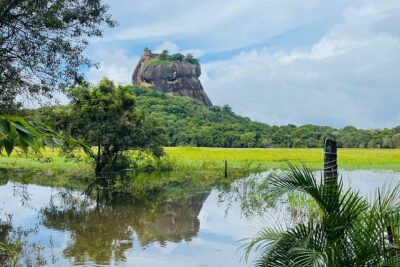
I especially like the way this itinerary stitches together major stops without feeling like a nonstop sprint. Sigiriya rock fortress at golden hour, the Dambulla cave temple caves full of Buddha statues, and the Temple of the Sacred Tooth Relic in Kandy create a strong cultural arc before you shift to tea country and animals.
The only real heads-up: accommodation, meals, and attraction entrance fees are not included in the $370 price, so your final daily budget will depend on where you stay and what ticket lines add up.
In This Review
- Key things worth marking on your map
- Sigiriya at dusk: the rock fortress moment
- Dambulla caves and Kandy’s Tooth Relic Temple
- Nuwara Eliya tea country and the Nanuoya–Ella train ride
- Little Adam’s Peak, Nine Arch Bridge, and the transfer to Yala
- Yala safari, Mirissa/Weligama beach time, and morning whale watching
- Galle Fort and Madu River boat safari before you fly
- How the private chauffeur-guide improves the loop
- Price and value: what $370 really buys you
- Who this 7-day Sri Lanka route suits best
- Should you book this 7-day Sri Lanka round trip?
- FAQ
- How long is the Visit Sri Lanka 7 Days Round Trip tour?
- How much does the tour cost per person?
- What is included in the $370 price?
- Is this a private tour?
- What language is the live tour guide?
- Which UNESCO world heritage sites are visited?
- Does the itinerary include the train ride from Nanuoya to Ella?
- Are accommodation, meals, and attraction entrance fees included?
Key things worth marking on your map

- Sigiriya at sunset: climb in the cooler evening hours and enjoy one of Sri Lanka’s most famous viewpoints
- Dambulla’s five caves: a UNESCO stop that packs in serious Buddha imagery and religious art
- Kandy’s Sacred Tooth Relic Temple plus a cultural dance show
- Nuwara Eliya to Ella by train: the Nanuoya–Ella ride is the big “window seats” moment
- Yala safari + south-coast time: wildlife in the morning, then Mirissa/Weligama beach time and whale watching
Sigiriya at dusk: the rock fortress moment
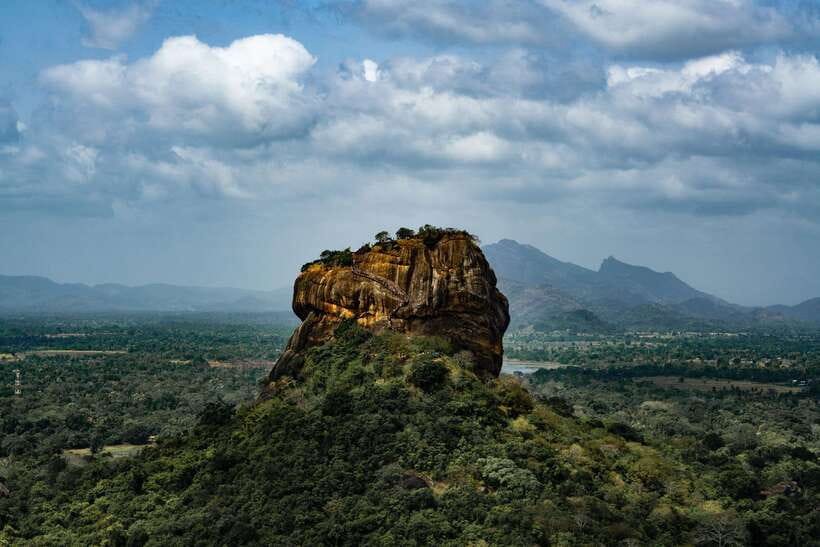
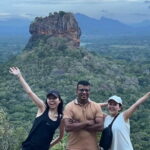
Day 1 is built around Sigiriya rock fortress, and that choice matters. Climbing in the evening usually feels more comfortable than cooking in midday heat, and it gives you a more atmospheric feel for the UNESCO cultural site.
You’ll start with pickup after arriving at Bandaranaike International Airport or your hotel, then get transported to Sigiriya. In the late day, you’ll climb the fortress itself and settle in for an overnight stay nearby, so you’re not racing across the island right after the climb.
What you should know before you go: this is a climb. You don’t need to be an athlete, but you should bring sensible shoes, water, and a calm attitude about stairs and steps. If you’re the type who likes getting your bearings at the top, plan to take your time—this is the part of the trip where photos feel earned.
You can also read our reviews of more tours and experiences in Colombo
Dambulla caves and Kandy’s Tooth Relic Temple
On Day 2, the route shifts from Sigiriya to Kandy, with stops that explain Sri Lanka’s spiritual side more clearly than a quick photo stop ever could.
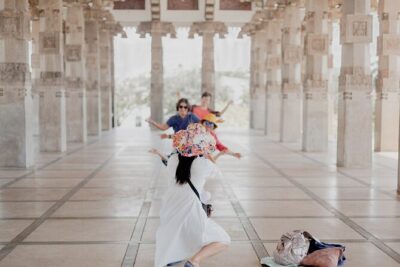
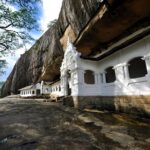
First comes Dambulla cave temple, another UNESCO world heritage cultural site. These caves are famous because you’re not looking at one small shrine—you’re moving through five separate caves with about 150 Buddha statues and paintings, which gives the whole place a layered, mural-and-figure feeling. It’s the kind of site where your eyes need a little time to adjust from one cave to the next.
Then you’ll add a spice garden visit. It’s a good “reset” after temples—usually more sensory, more walk-around, and easier to digest than yet another sacred room. After that, the evening includes a cultural show with traditional Sri Lankan dances, which helps you understand the performance style that shows up throughout the country.
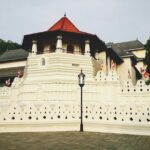
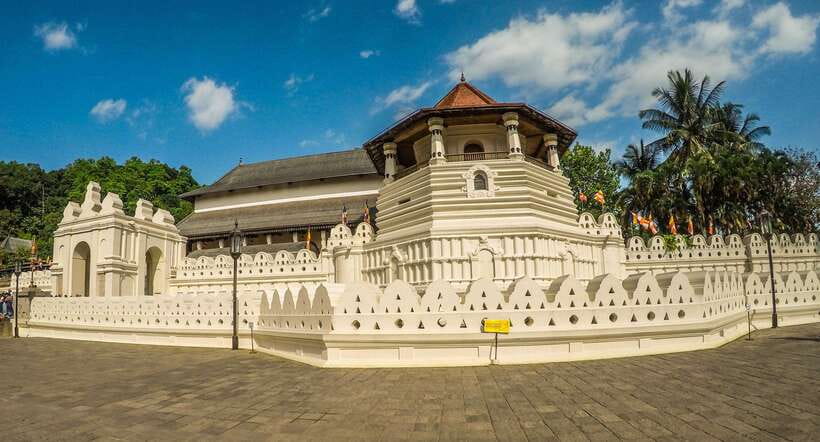
Finally, you end the day at the Temple of the Sacred Tooth in Kandy, known for housing a tooth relic of the Buddha. It’s a powerful finale to the day because it ties together the art you saw at Dambulla with what Kandy represents today.
If you prefer a slower evening, this is also a decent day to pace yourself. You’ll be busy, but you’ll end with a clear anchor point, not a chaotic set of last-minute changes.
Nuwara Eliya tea country and the Nanuoya–Ella train ride
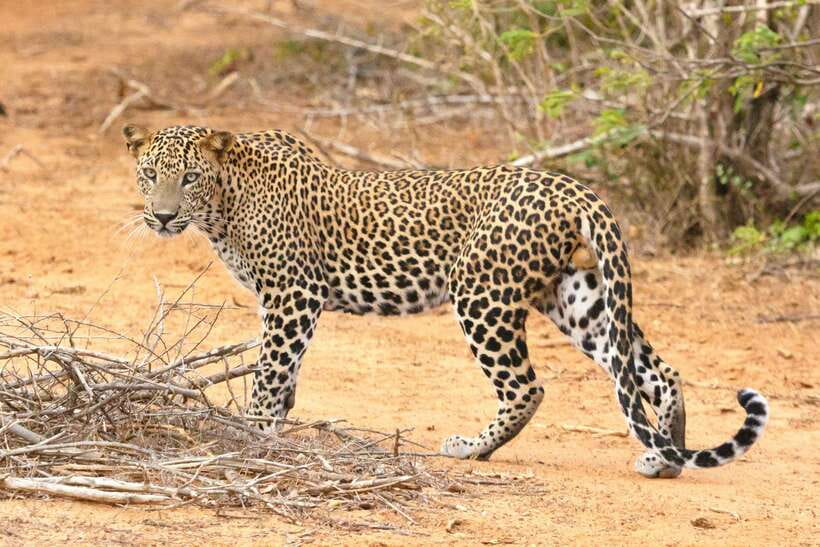
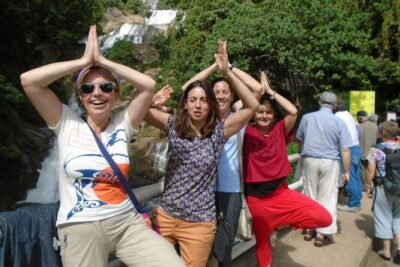
Day 3 is where the trip starts moving uphill, both physically and emotionally. You’ll head toward Nuwara Eliya, with a tea factory stop during the day so you can see how tea is made and how processing turns leaves into the product you drink back home. You’ll also visit waterfalls, which helps balance the long-world-famous tea views with something more immediate.
Nuwara Eliya has a reputation as Little England, tied to the British-era hill station story. You’ll feel that influence in the way the town grew as a British-style resort, even if the modern town is now very Sri Lankan in its daily rhythms.
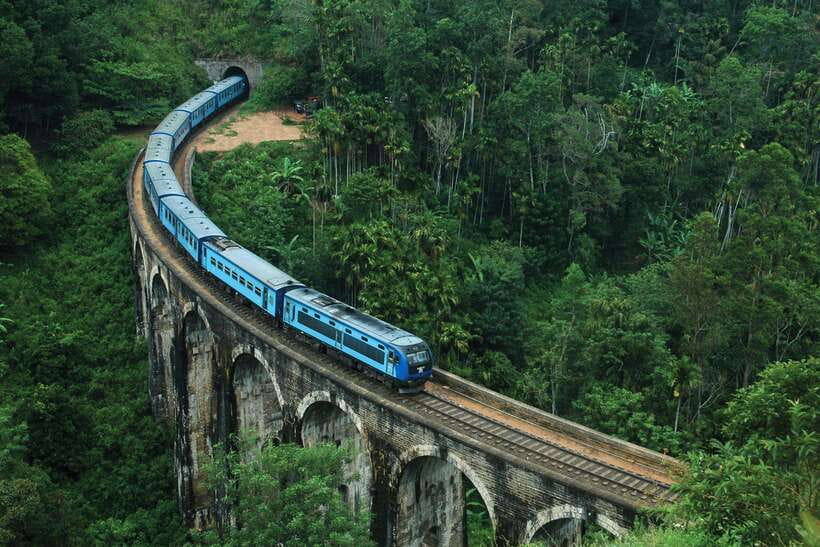
Then comes the highlight many people talk about: the train ride from Nanuoya to Ella. This is one of those Sri Lanka moments where you stop thinking about the schedule and start watching the scenery outside the window—green mountain views, changes in elevation, and that slow feeling as the train finds its way through the hills.
When you reach Ella, you’ll have time to stroll in the evening. That free time is important. Ella is the kind of place where you’ll want to look around for viewpoints and a calm dinner, not just tick a box before the next drive.
Little Adam’s Peak, Nine Arch Bridge, and the transfer to Yala
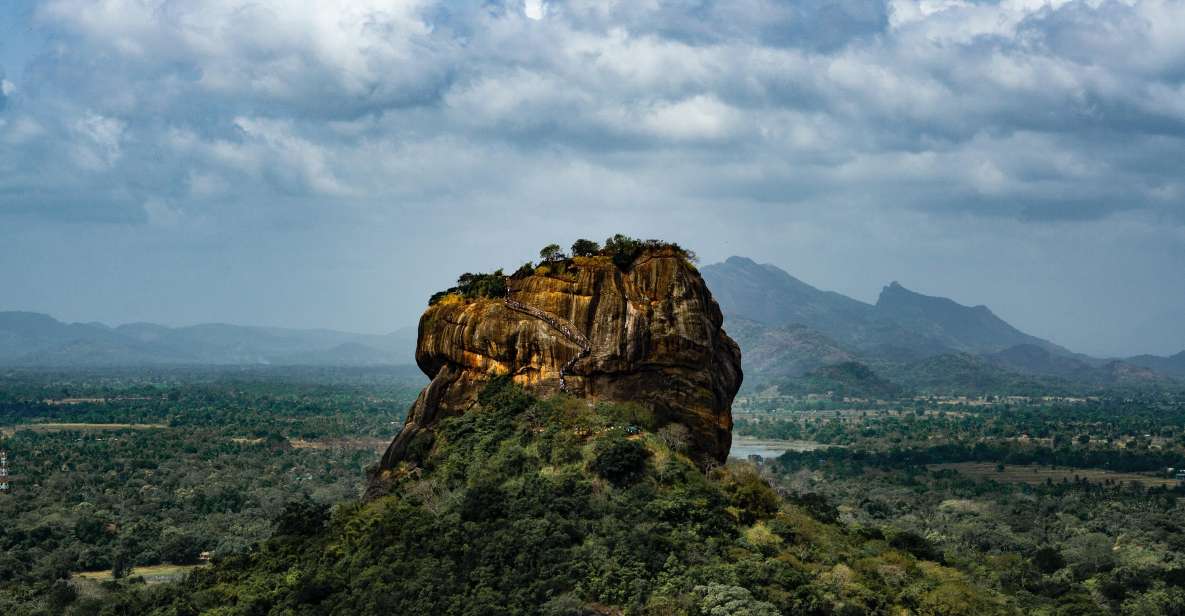
Day 4 keeps the mountain energy going, then shifts it toward wildlife.
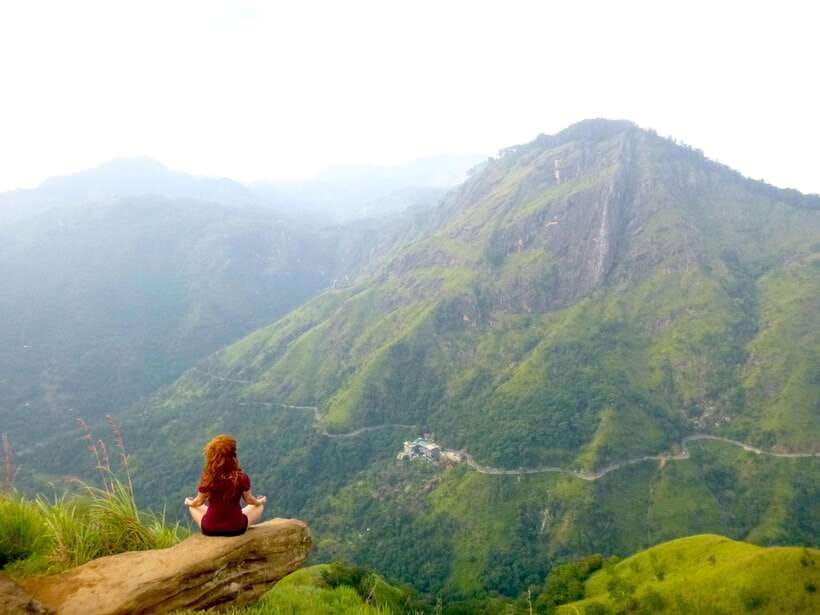
You start with Little Adam’s Peak, a named hike that’s usually considered an easier climb than the bigger famous peak. The reward here is the panoramic view at the top, and the fact that it’s “doable” makes it a smart mid-trip activity. If you don’t want a major workout, this is a good compromise: movement, effort, and a payoff without turning your day into a recovery plan.
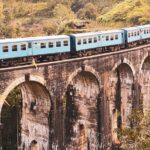
Afterward, you visit the Nine Arch Bridge, often called the Bridge in the Sky. It’s a man-made masterpiece, and it works for all kinds of travelers: photographers, history-lovers, and people who just like dramatic structure in the middle of hills. Take your time here too—there’s a rhythm to watching the bridge from different angles.
Then you transfer to Yala, which signals the next chapter of your trip. It’s a change in mood, not just geography. After temple art and tea hills, you’re heading toward a day focused on animals and a national park setting.
Yala safari, Mirissa/Weligama beach time, and morning whale watching
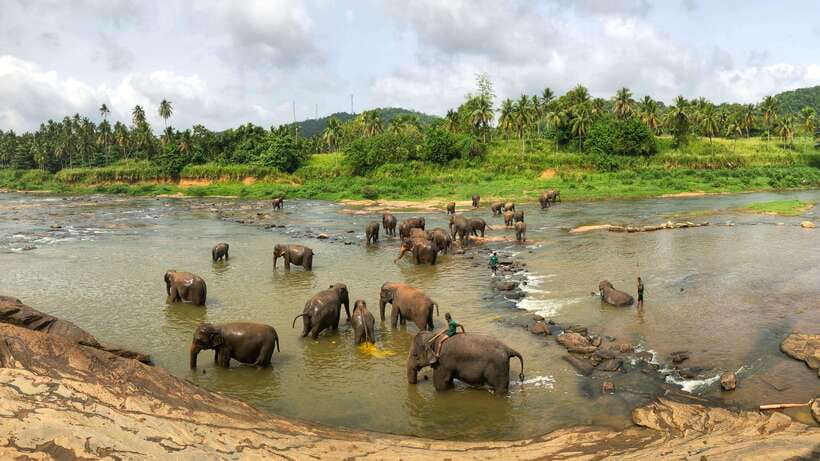
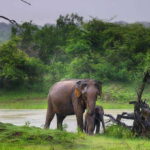
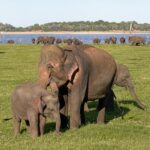
Day 5 is all about the Yala National Park safari. The point isn’t to guarantee wildlife sightings—it’s to put yourself in the right place at the right time and let the park do its thing. If you’re lucky, you might spot wild elephants, wild boar, crocodiles, and other mammals, reptiles, and amphibians.
This day is also where having private transport pays off. Yala isn’t “walk out your hotel and do it yourself” country. With a private setup, you can keep the timing organized, get to safari areas without wasting hours in transit, and spend the rest of the day more comfortably afterward.
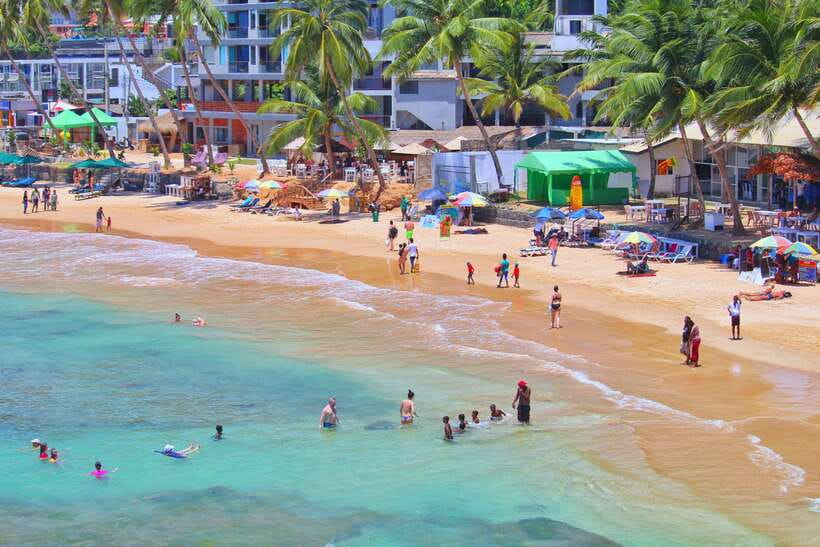
After the safari, you move to the south coast—Mirissa or Weligama—and check into your overnight hotel. This is a smart pairing: wildlife action in the morning, then real down time by the sea in the afternoon.
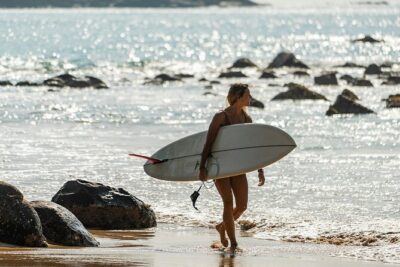
Day 6 leans into that rest with morning whale watching (a session on this tour) and beach time afterward. You can also join beach sports and simple beach activities, which is exactly what you want after a few intense sightseeing days.
Practical advice: even if you love wildlife, keep your expectations flexible. Whale watching often depends on sea conditions, and national parks depend on animal behavior. The win is that you’re covering both odds in one trip: animals on land in Yala and marine life potential on the coast.
Galle Fort and Madu River boat safari before you fly
Your final day keeps one foot in heritage and one foot in nature.
You start with Galle Fort, a world heritage site and the largest remaining fortress in Asia (as described for this stop). It’s a classic “slow walking” place, and it’s the kind of site where you’ll appreciate details: walls, views, and the layered feel of a fort that shaped trade and life in the region.
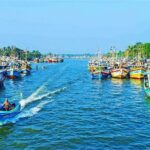
On the way out, you include a Madu River boat safari. The Madu River area is swampy marshlands covered in mangrove forests, which changes the texture of your trip. Instead of temples and hills, you’re in water-and-wetland country, moving at a slower pace on the river.
By the end of the day, you’ll be dropped at your hotel or at the airport. That structure is helpful because it avoids the last-day scramble where you’re still trying to cram one more major attraction before leaving.
How the private chauffeur-guide improves the loop
What makes this tour work well is the “human glue”: a licensed chauffeur-guide who handles private transportation and guides you through the big stops. It means you’re not constantly doing math on routes, hunting for parking, or trying to figure out what to do next.
From the pattern of named guides you’ll see associated with this kind of service—Lakmal, Chali, Rilwan—the best strength is usually the balance of structure and flexibility. You’ll have a plan, but the guide is there to respond when you want to move slower or skip something that doesn’t match your energy.
You also benefit from a more relaxed rhythm than group-only itineraries. This is especially useful for the days with active components: the Sigiriya climb, the Little Adam’s Peak hike, and a national park safari schedule. Even if you love walking, fatigue is real, and the tour’s private nature helps you adjust without collapsing the whole day.
English-language guidance is included, which makes a big difference at places like Dambulla, the Temple of the Sacred Tooth, and Galle Fort. You’ll get context that turns a “pretty site” into a place with meaning, without turning the day into a lecture.
Price and value: what $370 really buys you
The price you see is $370 per person for this 7-day round trip framework. That cost is for private transportation plus a licensed English live guide, along with passenger insurance and parking fees.
Here’s the key value equation: you’re paying for fewer logistics headaches. You’re not paying extra hours of your own time to coordinate transit, and you’re not relying on public schedules between remote places like Yala and the south coast. That can easily be worth it if you want Sri Lanka to feel smooth.
But your budget should also include what’s not included: accommodation, food and drink, and entrance fees for attractions. Entrance fees can add up across multiple UNESCO sites and major stops, so it’s wise to budget for those tickets separately rather than assuming they’re covered.
A practical tip: decide your hotel style early. If you plan to stay mid-range most nights and upgrade only once, you keep the experience comfortably priced. If you want luxury every night, your total trip cost will climb quickly even though the tour base price looks attractive.
Also, the booking terms you’re offered are flexible: free cancellation up to 24 hours in advance and reserve now, pay later options. That’s useful if your flight timing or hotel plans are still changing.
Who this 7-day Sri Lanka route suits best
This itinerary suits you if you want a “best of” sweep without renting a car yourself. You’ll like it if you enjoy mixing heritage sites (Sigiriya, Dambulla, Galle) with mountain views (Ella area, Little Adam’s Peak) and finishing with wildlife and beach time.
It also fits well if you’re traveling with family or mixed fitness levels. Some stops involve walking and climbing, but the itinerary is built so you can take breaks, especially on transition days. And because the transport is private, you’re less likely to lose time to missed connections.
If you hate early mornings, be aware that safari and whale watching both happen in the morning session style. You don’t need to love waking up before the sun, but you should be comfortable with it for the payoff.
Should you book this 7-day Sri Lanka round trip?
If you want Sri Lanka with less friction, I’d say yes—this is a strong value structure. You get a tight route that covers UNESCO highlights, one standout train experience, Yala safari, and south-coast relaxation, all with a private chauffeur-guide in English.
I’d only hesitate if you already know you want to self-drive, or if your trip budget assumes entrance fees and hotels are fully covered (they aren’t). If you plan for those extra costs upfront, you’ll spend the week actually enjoying the country instead of doing last-minute math.
FAQ
How long is the Visit Sri Lanka 7 Days Round Trip tour?
It’s a 7-day tour.
How much does the tour cost per person?
The price is listed as $370 per person.
What is included in the $370 price?
The tour includes private transportation, a well-experienced licensed tourist chauffeur guide who provides guidance, passenger insurance, and parking fees.
Is this a private tour?
Yes, private group options are available.
What language is the live tour guide?
The live tour guide language is English.
Which UNESCO world heritage sites are visited?
The tour includes visits to Sigiriya rock fortress (UNESCO), Dambulla cave temple (UNESCO), and Galle Fort (described as a world heritage site).
Does the itinerary include the train ride from Nanuoya to Ella?
Yes, there is an included train ride from Nanuoya to Ella.
Are accommodation, meals, and attraction entrance fees included?
No. Accommodation, food and drink, and entrance fees for attractions are not included.