REVIEW · COLOMBO
Galle Day Trip – River Safari, Sea Turtle & Stilt Fishermen
Book on GetYourGuide →Operated by Bentota Travel Mart · Bookable on GetYourGuide
Mangroves, turtles, and Dutch fort walls. This day trip pairs the UNESCO-listed Galle Fort with a Bentota River Safari through mangroves and serious wildlife-spotting from the boat.
You also get a practical, story-driven route: you’re guided between spiritual, historical, and working-fishing stops with a driver-guide in English, plus a real lunch break.
The trade-off is the early start and a long list of stops, so it’s not the kind of day where you can linger slowly at every photo spot.
In This Review
- Key highlights at a glance
- Why Galle Fort Makes This Day Trip Feel Like More Than a Drive-By
- Morning Pickup and the Comfort Factor (Even Before Breakfast)
- Bentota River Safari in Mangroves: Where Wildlife Often Steals the Show
- Turtle Conservation Project: A Meaningful Stop That’s Not Just for Photos
- Buddhist Temple Visit: The Calmer, Local-Meaning Moment
- Stilt Fishermen in Sri Lanka: Traditional Fishing Up Close
- Craft Stops and Small Museums: Masks, Gem Info, and Tsunami Photos
- Price and Value: What $80 Really Buys You
- Logistics That Matter: Timing, Return Drop-Off, and Being Ready
- Donation Boxes and Other Small Practicalities
- Who This Tour Suits Best (and Who Might Find It Too Much)
- Should You Book This Galle Day Trip?
- FAQ
- FAQ
- Where is this tour based?
- How long is the experience?
- How early is pickup?
- What’s the price per person?
- Is transportation included?
- What’s included in the ticket price?
- Are drinks included?
- What are the main activities?
- Is there a skip-the-line option?
- Is the tour hosted in English?
- Are there donation boxes at stops?
Key highlights at a glance
- UNESCO Galle Fort, Portuguese roots and Dutch fortifications
- Bentota River Safari through mangroves with wildlife on the move
- Sea turtle conservation project (including hatchery-style turtle viewing)
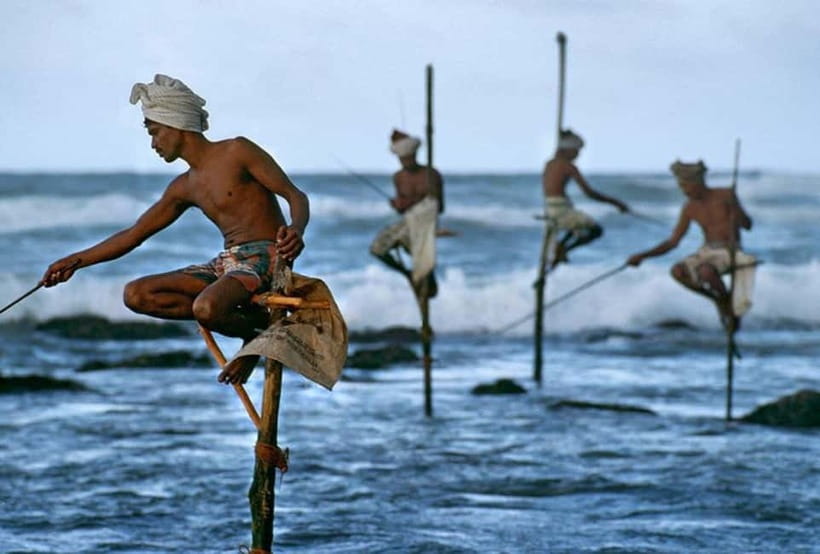
- Stilt fishermen and traditional south-coast fishing you’ll see up close
- Buddhist temple stop for a calmer, local-meaning moment
- Private driver-guide and comfortable transport with lunch and entry fees covered
Why Galle Fort Makes This Day Trip Feel Like More Than a Drive-By
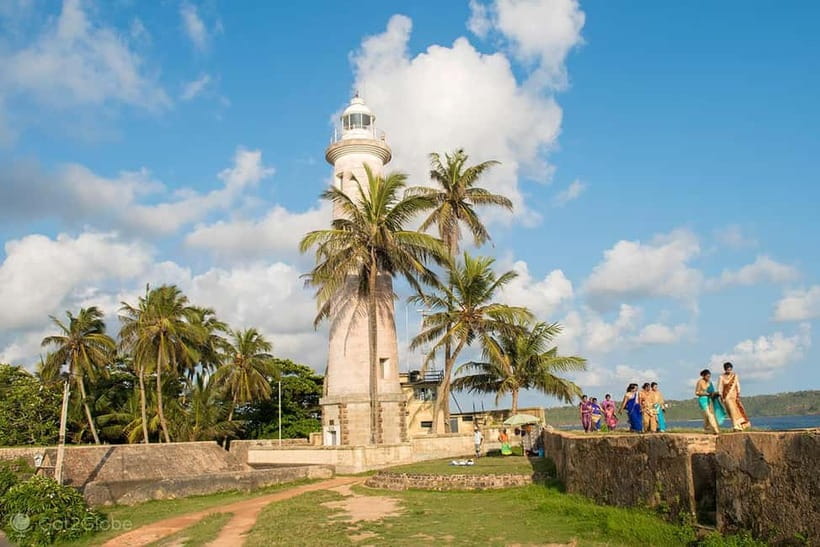
Galle Fort is the big anchor here. You get to walk one of South Asia’s most intact colonial-era defense towns—built by the Portuguese in 1588, then strengthened by the Dutch afterward. That mix matters. You see European-style ramparts, but the town life around them is unmistakably Sri Lankan, especially once you’re inside the fort lanes.
What I like about doing Galle Fort on a day trip like this is the pacing. You’re not just checking off walls. You’re also paired with other stops that explain the region—fishing culture, conservation work, and local spirituality—so the fort doesn’t feel like an isolated postcard.
Practical note: the fort area can mean stairs and uneven ground, so wear comfortable shoes. And if you’re the type who likes history with photos and quiet corners, you’ll enjoy the walking time.
You can also read our reviews of more tours and experiences in Colombo

Morning Pickup and the Comfort Factor (Even Before Breakfast)
This tour runs about 9–11 hours, with pickup typically between 6:30–7:30am depending on where you’re staying on the south coast. If you’re near the coast and you like to be early, you’ll appreciate it—but yes, it starts early.
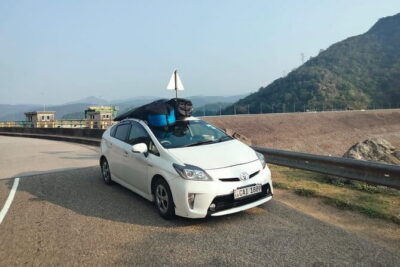
You’ll travel in private transport with an experienced English-speaking driver-guide. That’s a real value point in Sri Lanka, where traffic and timing can swing fast. In a private setup, your day stays more controlled: fewer waiting games, fewer unclear handoffs, and smoother transitions between scattered sights.
You also get bottle water and a lunch included. Drinks are not included, so if you’re the kind who wants juice or soda with lunch, plan on paying separately.
Bentota River Safari in Mangroves: Where Wildlife Often Steals the Show
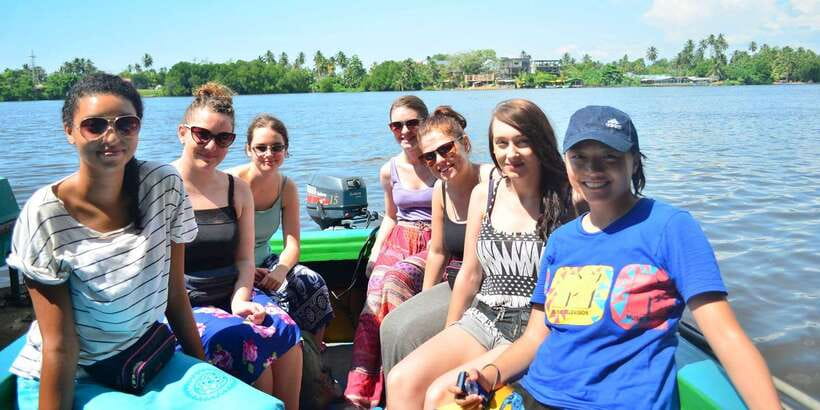
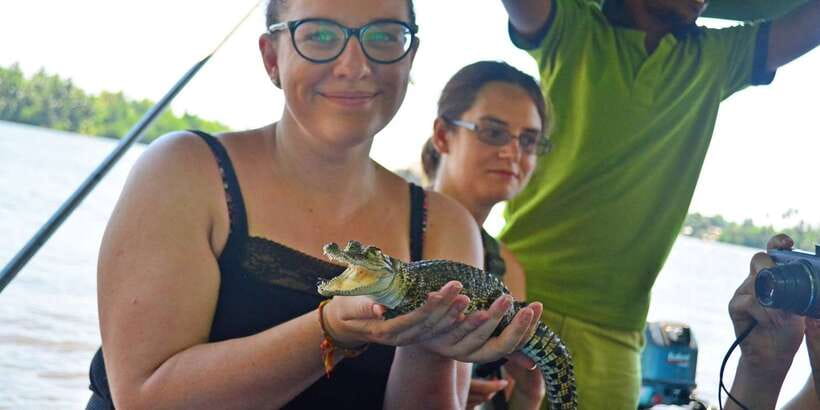
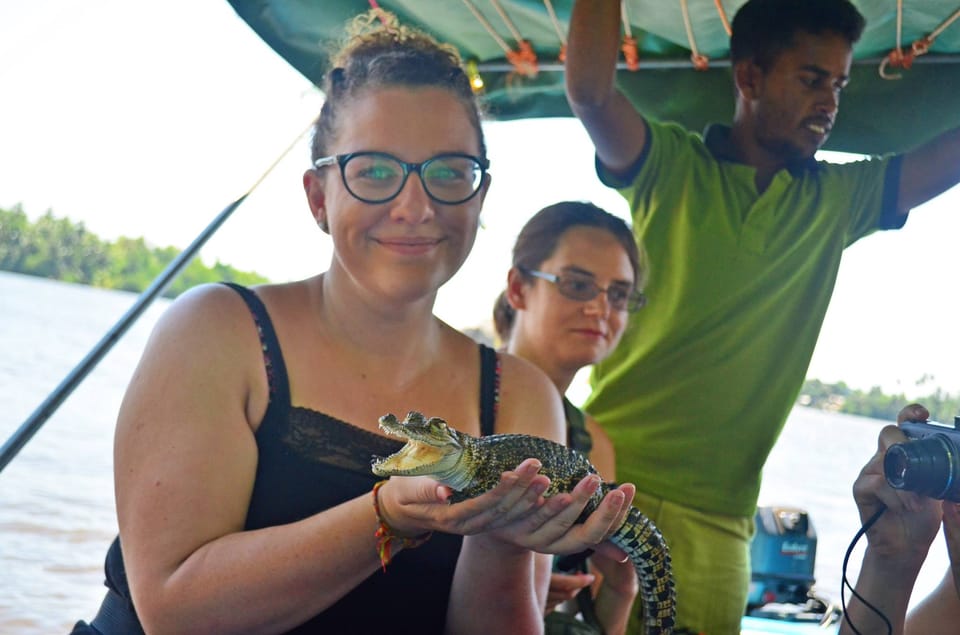
The Bentota River Safari is the heart-pump portion of the day. You’re on the water through mangroves, and that habitat is made for wildlife sightings—especially birds and reptiles that use the mangrove edges for hunting and resting.
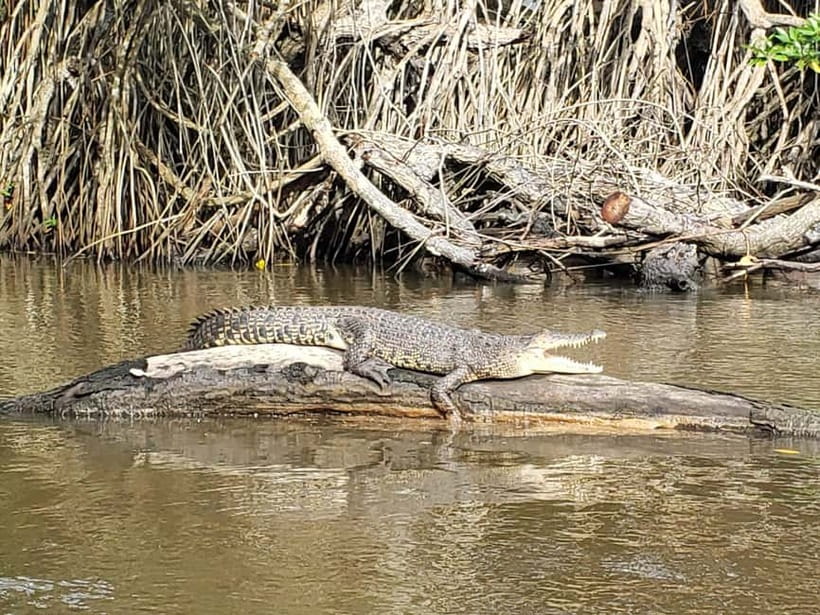
From the boat experience, you can expect chances to spot animals that are hard to see from land. One highlight I’d plan your day around is that you may see crocodiles, monkeys, fruit bats, monitor lizards, snakes, and lizards. Even when animals stay hidden, the mangrove scenery is still interesting in a hands-on way: you see how these swampy forests function like a living border between land and sea.
It also helps that the guide pays attention. In one case, the guide Samir was watching closely and timed breaks for snacks—coconut water and pineapple were served during the safari. That sort of small detail makes a long morning feel less like a checklist.
Two smart tips:
- Bring sunscreen and a hat. Boat trips move fast, and sun hits hard.
- Have your phone/camera ready early, because wildlife moments can be quick.
Turtle Conservation Project: A Meaningful Stop That’s Not Just for Photos
This tour includes a turtle conservation project, with time focused on turtle hatchery-style observation. Even if turtles are sleeping, you’ll still get the value of the visit: conservation here is about understanding how vulnerable these animals are and what local work is trying to change.
I like conservation stops on tours that also include nature (like the river safari) because it creates a story link. You see the ecosystem—then you see what people are doing to protect the species that depend on it.
One practical consideration: this stop can feel more structured and informational than the river safari. If you’re expecting pure scenery only, adjust your mindset. Think of it as education with a purpose, not a quick photo booth.
Buddhist Temple Visit: The Calmer, Local-Meaning Moment
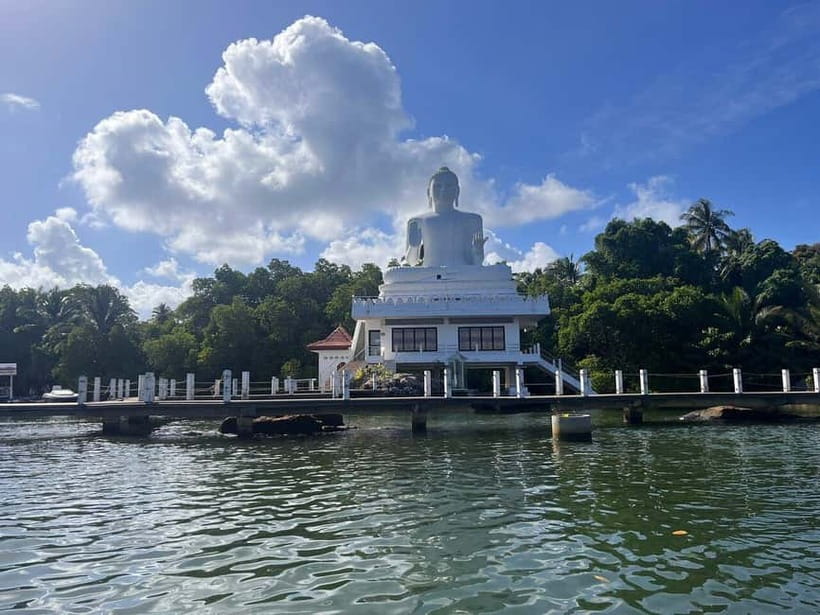
The itinerary includes a Buddhist temple stop. This isn’t a throwaway cultural stop. It’s tied to the region’s daily spiritual rhythm—places where learning, community, and quiet guidance live side-by-side.
Temple visits are also where you can slow down. The pace of the day is mostly vehicle-to-sight—fort, safari, conservation, fishing. Then you get a different type of atmosphere.
Respect matters here. Dress in a way that covers shoulders and knees, keep your voice low, and treat the place like an active community space, not a museum set.
You can also read our reviews of more tours and experiences in Colombo



Stilt Fishermen in Sri Lanka: Traditional Fishing Up Close
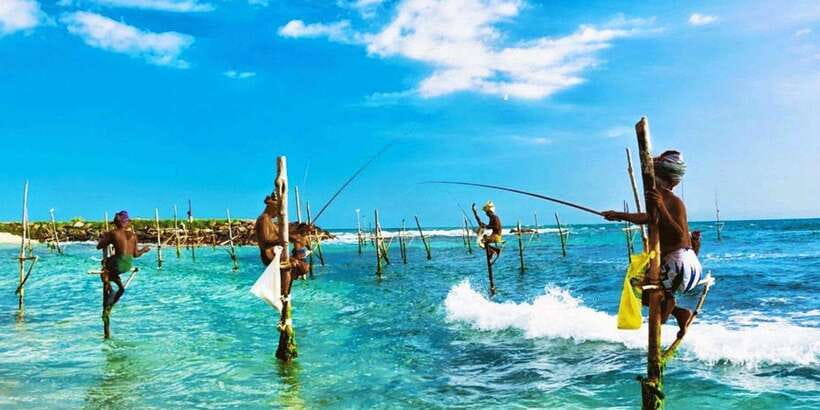
One of the most memorable parts is the stilt fishermen segment—one of the rare chances to see a traditional method of fishing used on the south coast. This isn’t only about watching boats. It’s about watching skill: fishermen standing on poles over the water and working their way through the tides and daily rhythm.
You’ll likely see nets being brought in and the system used firsthand. That’s valuable because the method is easier to understand when you’re seeing it in motion rather than in a diagram.
There’s also an emotional angle here. The tour framing makes it clear this way of fishing is under pressure—modern changes tend to erase old practices. So if you care about livelihoods and traditions, prioritize this stop and don’t rush it.
Craft Stops and Small Museums: Masks, Gem Info, and Tsunami Photos
The day also includes several culture-and-craft stops. You may visit:
- Mask factory
- Mini gem museum and showroom
- Tsunami photo museum
These are shorter stops than the fort or safari, but they add context. The masks give you a look at a popular Sri Lankan craft tradition. The gem/showroom stop can be interesting if you like learning how the business works and why tourists and locals are drawn to gemstones here. And the tsunami photo museum adds weight to Sri Lanka’s recent history—because disasters aren’t just statistics. They leave behind communities, recovery efforts, and long-term change.
A quick balanced note: if you’re museum-curious, these stops are fine. If you’re the type who wants only nature and major landmarks, you might feel the day includes a bit more “extra” than you need. It’s not wrong—it’s just a style choice in the tour design.
Price and Value: What $80 Really Buys You
At about $80 per person, this tour can feel like good value because so much is handled for you:
- Private round-trip transportation with an experienced driver-guide
- All entry fees and activity charges
- Lunch
- Bottle water
- Skip-the-line access via a separate entrance (at the main sites)
The bigger value is the time efficiency. A self-planned day from the south coast would mean juggling locations, tickets, and timing—plus trying to coordinate a river safari and the fort. Here, your guide handles the sequencing, and you get fewer gaps.
Drinks are excluded, so treat lunch as your main built-in meal. If you want extras beyond lunch and water, budget a little.
Logistics That Matter: Timing, Return Drop-Off, and Being Ready
Pickup points are broad across the south coast, including places like Wadduwa, Kalutara, Waskaduwa, Beruwala, Bentota, Kosgoda, Ahungalla, Balapitiya, Hikkaduwa, Galle, Unawatuna, Talpe, Ahangama, Koggala, Habaraduwa, Weligama, Mirissa, Matara, Dikwella, Tangalle, Hambantota, Tissamaharama, Yala, Weerawila. If you’re staying anywhere in that zone, you should be covered.
Drop-off is also back to southern coast locations, and the tour ends the day with return to your pickup region. One traveler even timed the return to match a cruise departure, which is a good reminder: if you have a ship, flight, or strict schedule, confirm the expected end time with your provider before you pay.
Also: keep your expectations aligned with a full-day format. You’re not just going to one place. You’re going to several.
Donation Boxes and Other Small Practicalities
One thing that surprised me (in a practical sense) is that there can be donation boxes at multiple stops. This is common at heritage and religious sites, and it shows how local conservation and maintenance work get funded.
You don’t have to make this complicated:
- Carry some small cash for modest donations if you want to participate.
- Don’t feel pressured, but don’t ignore it either. If a place asks for support, you’re usually better prepared if you have something on hand.
And one more tip: bring insect repellent for the river/mangrove day, and wear shoes you don’t mind getting damp.
Who This Tour Suits Best (and Who Might Find It Too Much)
This is a great match for you if you want a day that mixes:
- Wildlife (river safari)
- Conservation (sea turtle project)
- Culture and spiritual life (Buddhist temple)
- Working tradition (stilt fishermen)
- A major cultural site (Galle Fort)
You’ll also appreciate the private setup if you value comfort and clear communication. It’s English-hosted, and you’re not shoved into a big crowd where you lose track of what’s important.
It may be less ideal if:
- You want only one or two big highlights and zero extra stops
- You strongly prefer downtime over travel
- You get cranky with an early start (and this one is early)
Should You Book This Galle Day Trip?
If you’re staying on the south coast and you want a well-packed day that still feels purposeful, I’d book it. This tour doesn’t just stack sights. It links themes—wild places, conservation, and living coastal traditions—around the dramatic setting of Galle Fort.
Book it especially if the river safari wildlife and stilt fishing are on your must-see list. Those are the moments that tend to make the day feel worth the early departure.
If your style is slow travel and minimal stops, ask yourself whether you’ll enjoy craft and museum-style additions. If yes, this trip hits a sweet spot. If not, you might prefer a shorter fort-and-safari combination.
FAQ
FAQ
Where is this tour based?
It’s listed as starting in Kotapola, Sri Lanka, and it runs across the southwest coast region with pickup and drop-off across many nearby towns.
How long is the experience?
The duration is 9–11 hours.
How early is pickup?
Pickup happens between 6:30am and 7:30am, depending on your location. Some pickup points may feel very early based on the route.
What’s the price per person?
The price is listed as $80 per person.
Is transportation included?
Yes. You get private round-trip transportation with an experienced driver-guide.
What’s included in the ticket price?
Entry fees and activity charges are included, along with lunch and bottle water, plus free pickup and drop-off from listed south-coast areas.
Are drinks included?
No. Drinks are excluded.
What are the main activities?
You can expect visits to Galle Fort, a sea turtle conservation project, a Buddhist temple, Bentota River Safari through mangroves, and stilt fishermen.
Is there a skip-the-line option?
Yes. There’s skip-the-line access via a separate entrance.
Is the tour hosted in English?
Yes. The host or greeter provides English.
Are there donation boxes at stops?
Based on on-the-ground experience shared with the tour, you may see donation boxes at multiple stops, so it helps to have some small cash if you want to contribute.