REVIEW · COLOMBO
Day Tour from Colombo to Sigiriya, Dambulla & Polonnaruwa
Book on Viator →Operated by JK Travels sri lanka · Bookable on Viator
Three ancient sites, one long day.
This private day trip from Colombo (or Negombo) packs Sigiriya Rock, Dambulla’s Golden Temple cave-temples, and Polonnaruwa’s ruins into one chauffeured loop, so you can spend your time looking instead of sorting transport.
I like the hotel pickup and drop-off with private transport, plus bottled water for the road. I also like the clear pacing: about 3 hours at Sigiriya, then 2 hours at Dambulla, then 2 hours at Polonnaruwa, which helps you actually see the highlights instead of feeling lost in a fog of stops.
The main trade-off is time. Even though it’s advertised as 11–13 hours, real driving and occasional crowding can stretch it closer to 14–15 hours on some days.
In This Review
- Key highlights to plan for
- Why this day trip works: three sights, one driver, less stress
- Price and value: what $92 buys (and what it doesn’t)
- The 7:30 a.m. start: road time, traffic, and why 11–13 can stretch
- Stop 1: Sigiriya Rock fortress—what you’re really paying to see
- Stop 2: Dambulla Cave Temple—Golden Temple caves and a World Heritage stop
- Stop 3: Polonnaruwa ruins—11th-century ruins and irrigation stories
- Driver quality and the difference between explanations and official guides
- Crowds and public holidays: when the plan gets slower
- What to bring for comfort on a 11–15 hour day
- Who this tour suits best (and who might skip it)
- Should you book this Colombo to Sigiriya day trip?
- FAQ
- What time does the tour start?
- How long is the day trip from Colombo?
- Does the tour include hotel pickup and drop-off?
- Are entrance fees included for Sigiriya, Dambulla, and Polonnaruwa?
- Is lunch included?
- Do I need a passport?
Key highlights to plan for
- Hotel pickup and private vehicle from Colombo or Negombo, with bottled water included
- Time-boxed visits: 3 hours at Sigiriya, 2 at Dambulla, 2 at Polonnaruwa
- Entrance fees are not included, and you may want a National Guide at your own fee
- Driver vs official guide: your driver can explain, but government-run sightseeing guidance is separate
- Crowds can change the day on busy public-holiday periods, especially around Sigiriya and Dambulla
- Real-world timing varies with road conditions, traffic, and trucks on the route
Why this day trip works: three sights, one driver, less stress
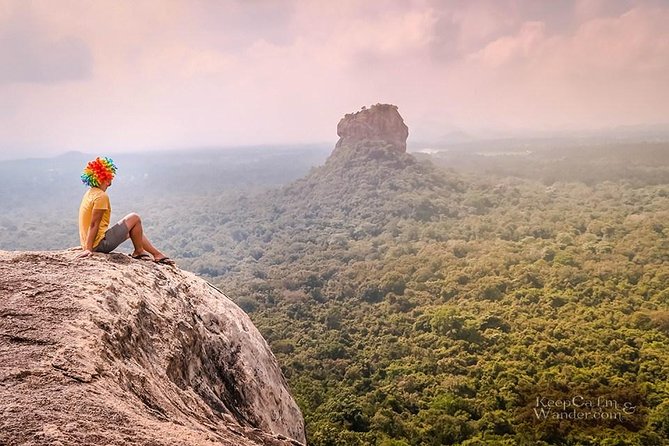
This tour is built for one thing: cutting down the hassle of getting between Sri Lanka’s big-name stops. Instead of piecing together rides, you get a private chauffeured vehicle and the day is structured into three focused sightseeing blocks. That matters, because the distance between Colombo and the cultural triangle is real, and a day like this can go sideways if you’re relying on guesswork.
What I appreciate most is the balance between structure and freedom. You’re not doing a checklist of quick photo stops. You’ve got enough scheduled time at each place to slow down, look around, and still end the day without feeling like you were hurried every ten minutes. That’s especially important at Sigiriya Rock, where climbing and walking take more time than you might expect.
You should go in with the right expectations, though: this is not a short day. It’s a full-day outing that starts early and can run long, depending on traffic and how busy the sites feel that day.
You can also read our reviews of more tours and experiences in Colombo.

Price and value: what $92 buys (and what it doesn’t)
At $92 per person, you’re mainly paying for transport, driver time, and door-to-door convenience. The tour includes bottled water, your driver, and hotel pickup and drop-off, plus private vehicle transport for the long haul between Colombo/Negombo and the three sites.
Where the value gets tricky is what’s not included. Food and drinks are not included, and entrance fees are not included either. That means the final cost is higher once you add tickets at Sigiriya, Dambulla, and Polonnaruwa. National guides are also optional and available at your own fee.
So here’s the practical way to think about the price: if you would otherwise spend money on multiple separate transport arrangements, plus you want one driver handling the route, this is often good value. If you’re traveling with people who want to move at different speeds, or you hate long days, you might decide it’s not worth the trade-off.
Also, the tour is private, which helps. Even though there can be group discounts, the experience is for your group only—no mixing with strangers during the drive. That privacy is a real quality-of-life upgrade on a long day.
The 7:30 a.m. start: road time, traffic, and why 11–13 can stretch
This day tour kicks off at 7:30 am. On paper, you’re looking at about 11 to 13 hours. In real life, expect the day to be longer if roads are slower than usual or if crowds build at the sites.
One pattern that shows up: road conditions and heavy traffic can add time. Trucks on major routes and slower traffic moments can easily shift the schedule. In at least one case, the day ran from 7:30 am until around 10:00 pm, which is a reminder that the itinerary is a plan, not a guarantee.
There’s also a timing curve at the cultural sites. Sigiriya and Dambulla can get crowded during public holidays, and that can affect how smoothly your visit times flow. Even when the stops are timed (3 hours / 2 hours / 2 hours), crowds can mean you spend more time waiting, walking farther than expected, or simply moving at slower speed.
My advice: don’t book this tour if you’re planning anything else the same night that absolutely must happen. Build in buffer time at both ends of your day.
Stop 1: Sigiriya Rock fortress—what you’re really paying to see
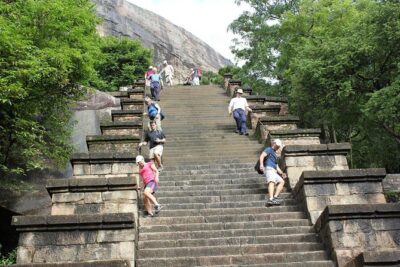
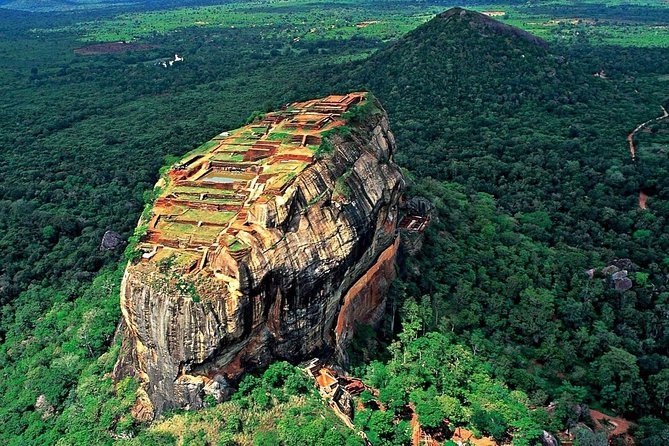
Sigiriya Rock is the kind of stop you understand instantly once you see it: an extinct volcanic magma outcrop rising about 200 meters above the ground. The site is associated with very old chronology, and the tour frames Sigiriya as an ancient rock fortress with murals.
The scheduled time here is about 3 hours, and that feels like the minimum you’d want. Even without discussing any specific route details, a 200-meter-high rock is going to involve walking and climbing, which is why the tour asks for a moderate fitness level.
What’s good about making Sigiriya your first stop is energy and light. Starting earlier generally helps you cope with the physical side of the visit and reduces the odds you’ll arrive to peak crowd pressure. If you’re sensitive to heat or tired easily, arriving earlier can make a big difference in how enjoyable the experience feels.
Possible drawback: if the day is already stretched by travel delays or a crowded period, 3 hours at Sigiriya can start to feel rushed. In those situations, your best move is to focus on what you most want from the visit—whether that’s the fortress viewpoint, the murals, or just time to wander calmly—so you don’t feel like you’re trying to do everything.
Stop 2: Dambulla Cave Temple—Golden Temple caves and a World Heritage stop
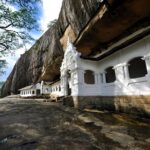
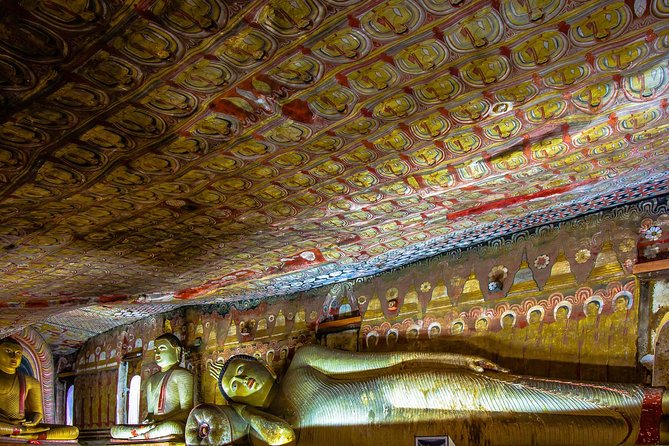
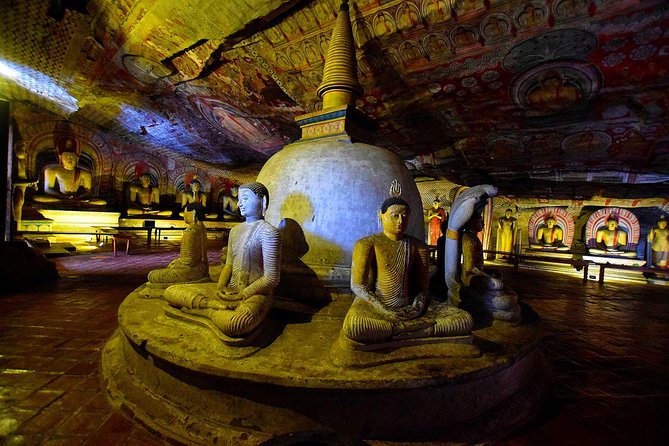
Dambulla Cave Temple, also known as the Golden Temple of Dambulla, is a World Heritage Site. The tour describes it as art-filled cave-temples, and that’s a big part of its appeal. This isn’t just open-air ruins; it’s a more enclosed, slow-down kind of visit where you’re surrounded by what’s essentially the interior of the caves.
The scheduled time here is about 2 hours. For a place defined by art and cave interiors, 2 hours is a reasonable chunk. It gives you time to look, pause, and still keep the day on track toward Polonnaruwa.
One practical detail: Dambulla is roughly 148 kilometers east of Colombo, so it’s not a quick roadside stop. Even with private transport, you’re spending real travel time to get there, which is why the tour groups it with Sigiriya and Polonnaruwa.
What to consider: since entrance fees aren’t included, you’ll want to have the money plan ready for tickets. And because this is a cave-temple experience, you may prefer comfortable shoes and a steady pace, especially if you’re also dealing with the physical side of Sigiriya earlier that morning.

Stop 3: Polonnaruwa ruins—11th-century ruins and irrigation stories
Polonnaruwa is the final stop, and the tour frames it as an ancient city with 11th-century importance—Sri Lanka’s second kingdom in that era. It’s especially known here for its irrigation system, plus architecture, art, and culture.
The allocated visit time is about 2 hours, which is enough to get a sense of the scale without turning the day into an all-day archaeological marathon. Polonnaruwa’s biggest value on this kind of tour is the variety it adds. After Sigiriya and Dambulla, Polonnaruwa feels more open and city-like—ruins tied to daily life themes such as water systems and built environments.
Possible drawback: by the time you reach Polonnaruwa, you’re usually a long day into it. If you’re not used to early starts and extended drives, the last stop can feel more like a finish line than a fresh discovery. That’s not the tour’s fault; it’s the physics of a day itinerary.
My suggestion: when you’re tired, don’t try to do “everything.” Pick a few areas that catch your attention, give yourself permission to move slower, and treat the last stop as the place to soak up atmosphere rather than rush for every photo.
Driver quality and the difference between explanations and official guides
This tour includes a driver, and the driver is described as a certified tourist driver. The role is mainly transportation plus keeping the day running smoothly. They can also explain things during stops, but there’s an important distinction: your driver is not authorized to act as a formal sightseeing guide at the sites, since that is controlled by the government.
In other words, if you want deeper interpretation at each stop, plan for a National Guide at your own fee. The tour even notes that national guides are available for an additional cost. This can be a great choice if you care about meaning and context rather than just seeing the structures.
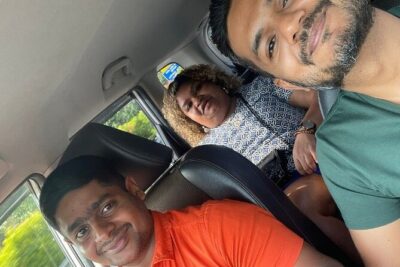
One review detail I found especially useful: the driver experience can vary. In one case, the driver felt more like a driver than a talker. In another case, a driver named Dilanka was praised as excellent, and communication from the operator was described as strong, with guidance and instructions before the day.
There’s also a practical lesson here: if you want the tour to feel more personal, ask questions early and directly. A driver may not be the official guide, but they can still help you understand what you’re looking at and how to pace your time.
Crowds and public holidays: when the plan gets slower
This itinerary is designed for normal travel conditions. The reality is that crowds can spike, especially around public holidays. There’s an example of a situation involving a 3-day public holiday period (Friday to Sunday), when Dambulla and Sigiriya were crowded with locals.
On those days, even if the route is the same, your visit time can feel different. You might spend more time waiting, moving in slow streams, or walking extra distances due to how people flow inside the sites.
If you can, check local holiday calendars before booking. If you’re traveling during a busy period, keep your patience turned on. This isn’t a sign the tour is bad—it’s a sign you’re in Sri Lanka during high-demand days.
What to bring for comfort on a 11–15 hour day
The tour calls for moderate physical fitness, which likely means you should be ready for walking and climbing, especially during the Sigiriya portion. I’d treat this as a “comfortable shoes and steady pace” kind of day.
A few things you’ll want:
- A clear plan for entrance fees, since they’re not included
- Food and drinks covered, since lunch isn’t included
- Your current valid passport, required on the day of travel
- Bottled water is included, but bringing extra water logic (like plan to hydrate) can help on a long day
Also, since this is a private tour with only your group, you can coordinate what you need with your driver in advance: bathroom breaks, pacing, and how you want to spend your time at each stop.
Who this tour suits best (and who might skip it)
This is a good fit if you:
- Want a private, chauffeured day trip that hits three major Sri Lanka highlights
- Prefer a set schedule instead of figuring out transport between sites
- Are okay with a long day and early start
- Have the moderate fitness level needed for the Sigiriya portion
It may be less ideal if you:
- Hate long driving days or you’re easily worn out by schedule pressure
- Want long, unhurried visits without time limits
- Are traveling during a known high-crowd period and you dislike crowds
If you fall in the middle—okay with a long day, but you want more context—consider adding National Guides at the sites. The tour structure supports that, because your driver can handle logistics while a national guide can handle site-specific history and explanations.
Should you book this Colombo to Sigiriya day trip?
I’d book it if you want one day to cover Sigiriya, Dambulla, and Polonnaruwa with private transport and hotel pickup. The biggest win is simple: your time is spent on sights, not on logistics, and you get a structured amount of time at each location.
I’d think twice if you’re very schedule-sensitive, because this day can stretch due to traffic, road conditions, and occasional holiday crowding. The itinerary is a solid plan, but you should treat it as an all-day commitment.
If you decide to go, plan smart: start early, expect extra time sometimes, and don’t ignore the fact that entrance fees and food are on you. With that mindset, this tour can be a very efficient way to see three standout Sri Lanka stops in one day.
FAQ
What time does the tour start?
The start time is 7:30 am.
How long is the day trip from Colombo?
The duration is listed as 11 to 13 hours (approx.), though real-world timing can be longer depending on roads and crowds.
Does the tour include hotel pickup and drop-off?
Yes. Hotel pickup and drop-off are included, along with transport by private vehicle.
Are entrance fees included for Sigiriya, Dambulla, and Polonnaruwa?
No. All entrance fees are not included.
Is lunch included?
No. Food and drinks are not included, and lunch is not included.
Do I need a passport?
Yes. A current valid passport is required on the day of travel.