REVIEW · COLOMBO
Colombo by Tuk Tuk – Sightseeing Entry Fees included
Book on Viator →Operated by Black Caviar Tours & Travels · Bookable on Viator
Colombo in four hours needs a plan. This private tuk-tuk sightseeing route keeps you focused on landmarks instead of traffic math, and it starts and ends with hotel pickup and drop-off. I like the sightseeing-first pacing and the fact that many entry fees are handled up front, so your day stays simple. One caution: it’s a lot of stops in a short window, and two places (Gangaramaya and Old Town Hall) charge small extras.
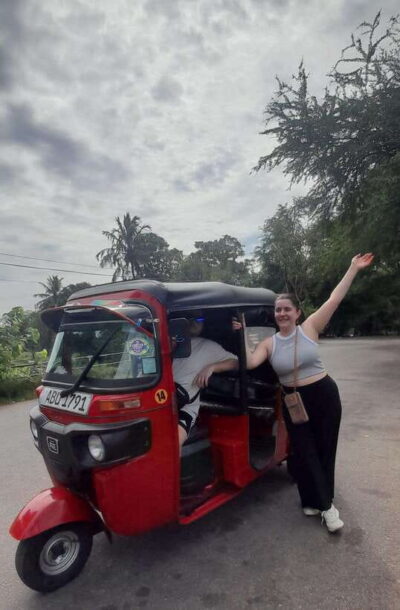
In the best version, you’re guided by a friendly driver such as Mr. Mugilan, who’s known for answering questions and checking in so the tour keeps moving at your pace. The only real drawback is practical: Pettah can feel tight and noisy, and a tuk-tuk can’t hide Colombo’s busy energy.
In This Review
- Key highlights at a glance
- Why this tuk-tuk route works in Colombo
- Price and what you truly get for $35
- Start near Colombo Lighthouse, then let the city unfold
- Stop 1: Sri Kailawasanathan Swami Devasthanam Kovil (Dravidian-style start)
- Lotus Tower: a skyline marker you can’t miss
- Colombo Fort: colonial facades plus museum time
- Pettah: markets, old gateways, and short culture stops
- Old Town Hall (small fee, quick look)
- Vegetable Market and Kayman’s Gate: sensory Colombo, no ticket stress
- Grand Mosque and Wolvendaal Church: faith and colonial layers
- Floating Market and Beira Lake: modern-day Colombo shopping by water
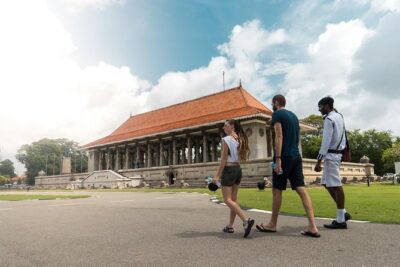
- Old Parliament, Independence Memorial Hall, and the Cenotaph: national meaning
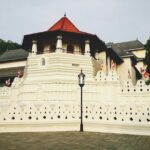
- Gangaramaya Temple: a major stop with a small extra fee
- Ports and tea: Lighthouse, Maritime Museum, and Zylen Tea tasting
- The route also passes Colombo Municipal Council and Viharamahadevi Park
- Timing reality: quick stops, smart priorities
- Who should book this Colombo tuk-tuk tour
- Should you book Colombo by Tuk Tuk (Sightseeing Entry Fees included)?
- FAQ
- How long is the tuk-tuk sightseeing tour?
- How big is the group?
- Is hotel pickup and drop-off included?
- What’s included in the price?
- Are all temple and attraction fees included?
- Do I get a ticket for entry?
- Where does the tour start?
- Does the tour end where it starts?
- Can I cancel for a full refund?
Key highlights at a glance
- Private, up-to-2 group: you set the pace while your driver handles the turns
- Hotel pickup and drop-off: less time hunting, more time seeing
- Entry fees included for many stops: value adds up across forts, museums, and viewpoints
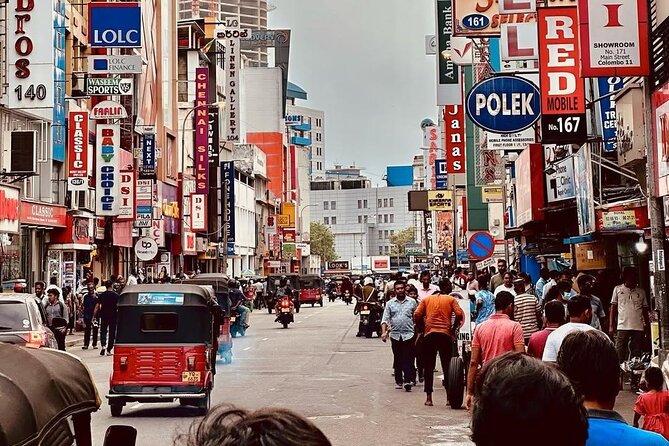
- Pettah market segment: see daily trade up close without getting lost
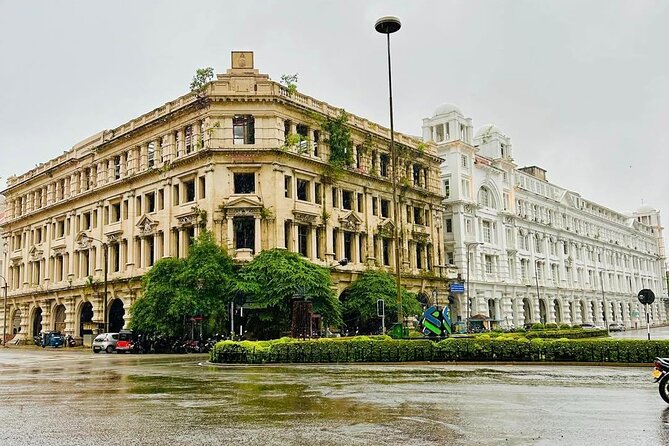
- A smart mix of old and new Colombo: temples, colonial buildings, Beira Lake sights, and port-area stops
- Mobile ticket: no paper scramble at the counter
Why this tuk-tuk route works in Colombo
Colombo can be a mental workout. Streets are busy, traffic can slow your progress, and landmark-hopping on your own turns into lots of waiting. A tuk-tuk changes the equation. You’re not spending your time staring at your phone, arguing with directions, or losing half your energy to detours.
This tour also has a clear style: it compresses a day of sightseeing into a half-day while keeping you in control. You’re not rushing someone else’s plan all day. You’re choosing how long to linger at places that catch your eye—within the overall timing, of course.
I also like that the experience is built for convenience. Hotel pickup and drop-off matters in Colombo because moving from neighborhood to neighborhood can chew up hours. Here, the transport is private, and you get a straightforward “go here, then here” flow.
You can also read our reviews of more tours and experiences in Colombo.
Price and what you truly get for $35
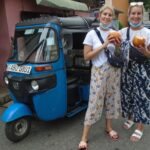
The price is $35 per group (up to 2) for about 4 hours. That matters because you’re not only paying for a vehicle—you’re paying for a bundle of time-saving and tickets.
Here’s where the value shows up:
- Private tuk-tuk transportation for a set route keeps you from paying for multiple separate rides.
- Bottled water is included, which sounds small until you’re out in the heat for hours.
- Multiple admissions are included across the day: temple entry, key fort-area stops, the Floating Market, port-area museum time, and several national monuments.
Two places do charge extra: Gangaramaya Buddhist temple ($2 per person) and Old Town Hall ($1 per person). That means you’re not getting a “totally free everywhere” deal. But compared with piecemeal tickets across the city, it still feels like solid coverage.
If you’re traveling as a pair, the per-person value tends to be best. If you’re solo, it’s still reasonable, but you’ll want to be honest with yourself about whether you’ll actually want to enter the ticketed sites included on the route.
Start near Colombo Lighthouse, then let the city unfold
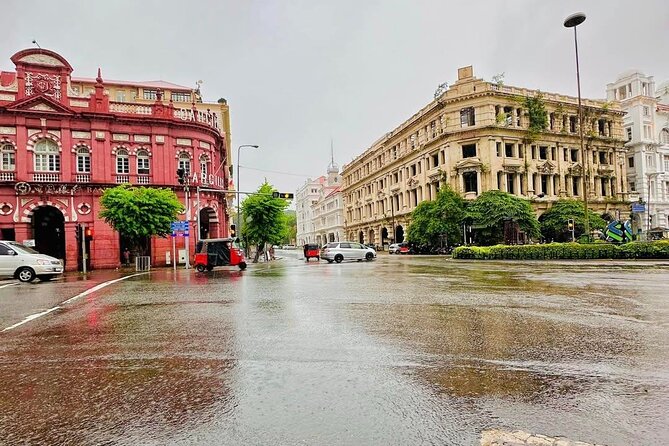
The meeting point is by Colombo Lighthouse (Chaithya Rd area), and the tour ends back there. That’s helpful because you’re not hoping you can navigate back at the end of a long half-day.
A practical tip: Colombo mornings and afternoons can move fast. Bring sunglasses, wear closed-toe shoes (especially for Pettah), and keep your camera ready for quick stops. The tour rhythm is “short look, quick photo, then move”—so you’ll get the most out of it if you’re ready to react.
Also, you get a mobile ticket. That’s a win in a city where paper tickets can get lost in bags.
Stop 1: Sri Kailawasanathan Swami Devasthanam Kovil (Dravidian-style start)
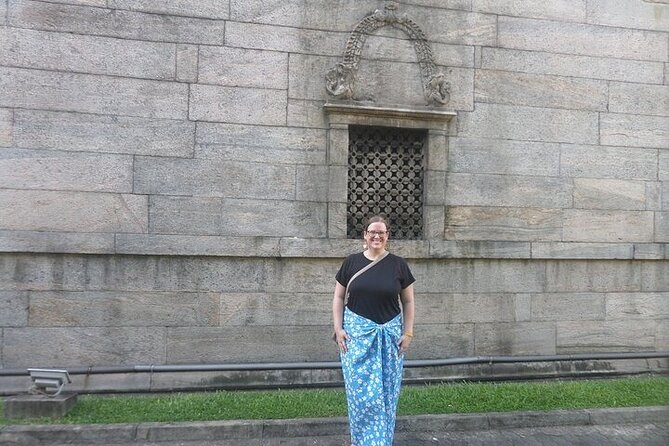
Your day kicks off at Sri Kailawasanathan Swami Devasthanam Kovil, one of Colombo’s older and more significant Hindu temples, dedicated to Lord Shiva. Expect Dravidian-style architecture and a chance to see how local religious life shapes the city’s visual identity.
You’ll spend around 15 minutes, and the admission ticket is included. Fifteen minutes won’t make you a temple expert—but it’s long enough to notice the architecture, take a few respectful photos, and feel the place without turning it into a rushed checklist.
The possible catch is dress and behavior. Temples often come with expectations for modest clothing and a calm tone. If you’re not used to that, take a moment to cover shoulders and knees and plan to move quietly.
Lotus Tower: a skyline marker you can’t miss
Next comes Lotus Tower, the tall, needle-like landmark rising 350 meters. It’s described as the tallest self-supported structure in South Asia, making it an easy “yes, I really am in Colombo” moment.
This stop works best as a photo-and-spotting moment rather than a long visit. The information provided doesn’t clearly list an admission window here, so think of it as orientation: you’ll use it later as a mental landmark when you look back across the route.
If you like architecture and big-city scale, you’ll appreciate how quickly the tour moves from older temple styles to a modern skyline icon.
Colombo Fort: colonial facades plus museum time
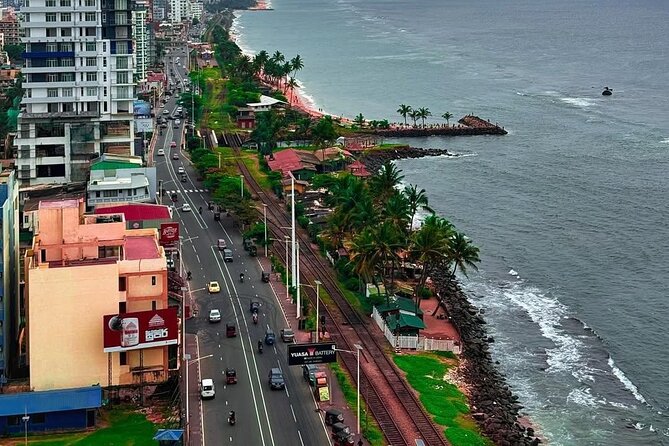
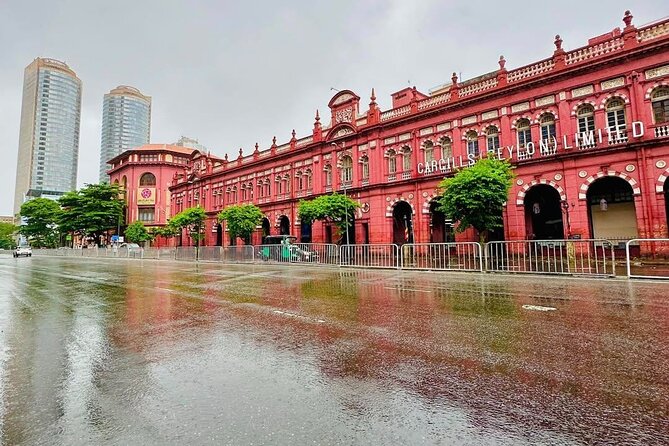
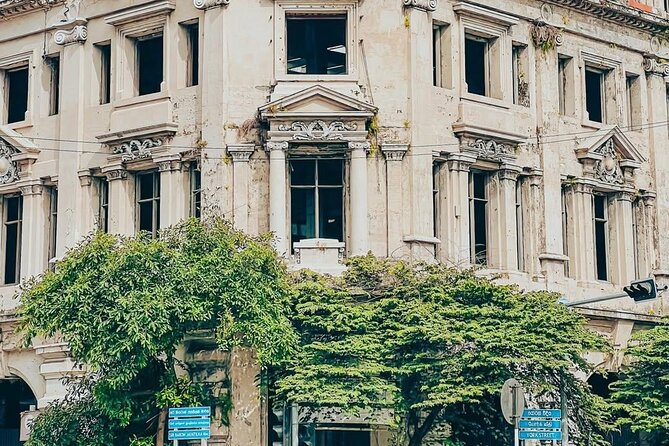
Colombo Fort is where the city feels most “layered.” Portuguese influence first built the fortified area in the 16th century, later expanded under the Dutch and British. On this tour, you get a concentrated look at the area without needing to plot a route yourself.
You’ll spend about 10 minutes in the Fort zone, and the stop description indicates admission ticket included for at least part of this segment. Within the Fort area, the listed highlights include:
- Colombo Fort Railway Station (a major rail hub)
- Colombo Fort (historic fortified center, commercial hub)
- Colombo Economic History Museum (Currency Museum) at the Central Bank premises
- Colombo Fort Clock Tower, originally built in 1857
- President’s Museum inside the historic President’s House
- Old Post Office (late 19th-century British-era building)
- Cargills Building (late 19th-century mercantile headquarters)
- Grand Oriental Hotel (GOH), opened in 1837
What makes this stop special is not just the buildings—it’s the compression. In a short time, you can see the British colonial-era vibe, learn how the city’s systems ran, and spot the “old money” feel of the Fort district.
The drawback: with only around 10 minutes, you can’t expect deep museum time in multiple indoor stops. If you’re the type who wants to read every label, you may want to prioritize one indoor museum and treat the rest as exterior/photo time.
Pettah: markets, old gateways, and short culture stops
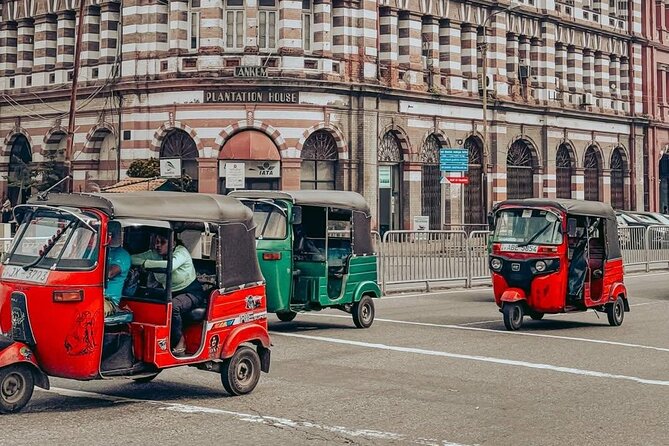
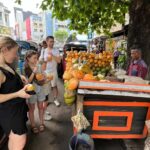
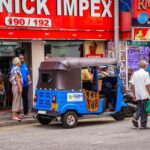
After Fort, the tour shifts into the real everyday Colombo neighborhood: Pettah, east of the city center Fort area. Pettah is famous for its market world—open-air bazaars and busy trade. You’ll have around 15 minutes, and the market segment is listed as free admission.
This is one of the most rewarding parts of the route because it’s not just monuments. It’s daily life.
What you’ll likely feel:
- People moving in close quarters
- Vendors and shoppers sharing the same lanes
- That quick “you’re in the middle of things” sensation
For many visitors, Pettah is the “wow, this is Colombo” contrast to the calmer monument zones.
Old Town Hall (small fee, quick look)
Inside Pettah, there’s Old Town Hall, described as sitting in the middle of shops and street stalls, with arches, needle point columns, crumbly yellow walls, and creaky staircases. It’s the kind of place that makes you slow down just to look at the details.
Here’s the practical part: Old Town Hall charges $1 per person, and that fee is not included. You’re also only scheduled for about 15 minutes in that area, so you’ll want to decide quickly if the building experience is worth that extra dollar and time.
If you’re into architecture and colonial-era interiors, take the fee. If you’re more interested in the market streets, you can skip the ticket and just enjoy the surrounding streetscape.
Vegetable Market and Kayman’s Gate: sensory Colombo, no ticket stress
Two quick stops keep the Pettah vibe grounded:
- Vegetable Market: listed as free, a wholesale-and-retail hub where vendors and buyers trade fresh produce.
- Kayman’s Gate Belltower: also free, marking an original entrance to the Dutch Fort of Colombo, built in the 17th century.
These are short—think photo and atmosphere—not “sit down and tour.” But they’re worth it because they break up Pettah into meaningful chunks: trade, then a historic edge marker.
Grand Mosque and Wolvendaal Church: faith and colonial layers
Pettah also includes two important religious landmarks:
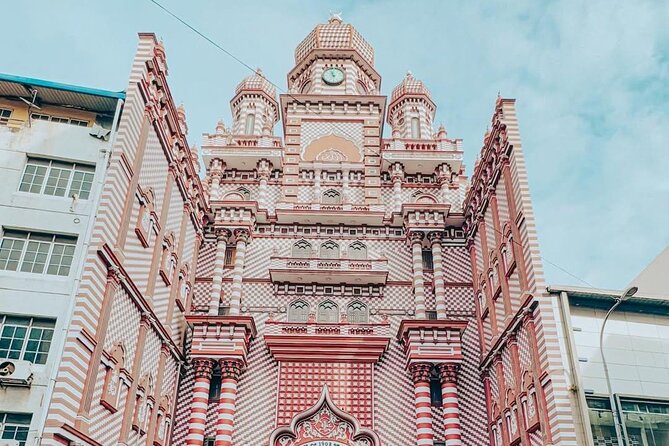
- The Grand Mosque of Colombo (Jami Ul-Alfar Mosque), noted for its iconic architecture
- The Christian Reformed Church of Sri Lanka, specifically the Wolvendaal Church, built in 1749 by the Dutch and described as one of the oldest and most significant Dutch colonial churches in the country
Admission details for these exact stops are listed as free for the Wolvendaal Church segment, while the mosque segment doesn’t specify an entry fee in the provided info.
The good part: these short visits give you a sense of how multiple faiths shaped city life. The consideration: religious sites can have rules about visitor behavior and clothing, so keep it respectful and watch for local cues from staff.
Floating Market and Beira Lake: modern-day Colombo shopping by water
Next you reach the Floating Market, built over Beira Lake and opened in 2014. The description highlights that it blends commerce with scenic beauty.
Your stop is around 10 minutes, and the admission ticket is included here. This one is more about atmosphere and views than a long cultural deep dive. You’ll likely enjoy it most if you like places that show how a city turns a water setting into public space.
If you want to linger, you can often do it nearby, but on this tour the timing nudges you forward—so enjoy what you can within the moment.
Old Parliament, Independence Memorial Hall, and the Cenotaph: national meaning
After the water, the tour shifts into national landmarks near the Independence area. You get a mix of architecture and a pause for reflection.
Included highlights:
- Old Parliament Building: a grand colonial-era structure near Galle Face Green, described as neo-baroque
- Independence Memorial Hall: commemorates Sri Lanka’s independence on Feb 4, 1948, with admission included (listed as 10 minutes)
- Cenotaph War Memorial: a solemn monument honoring those who died in military conflicts, especially World War I and World War II, also admission included (listed as 10 minutes)
These stops are short, but they hit different emotions. Independence Hall gives you civic scale. The Cenotaph turns your attention to cost, sacrifice, and memory.
If you’re the type who rushes past serious monuments, slow down slightly here. Even on a fast tour, a few minutes of stillness can make the day feel complete rather than chaotic.
Gangaramaya Temple: a major stop with a small extra fee
Gangaramaya Temple sits on the route as a key religious visit. It’s described as a mix of modern architecture and cultural essence, completed in the late 19th century.
Here’s the important detail: the temple charges are not included—listed as $2 per person. That means you’ll pay directly on-site if you want to enter.
Also, this stop is not the kind of place you should treat like a drive-by photo spot. Even if you only spend your scheduled time, be ready for a real temple atmosphere and spend a little time looking rather than sprinting for angles.
Ports and tea: Lighthouse, Maritime Museum, and Zylen Tea tasting
The final stretch leans practical and modern.
You’ll encounter:
- Colombo Lighthouse (Galbokka Lighthouse): a maritime landmark built in 1952 near the harbor area; the tour lists admission included for about 10 minutes
- Colombo Port Maritime Museum (Sri Lanka Ports Authority Maritime Museum): located at 19 Chaithya Road, adjacent to the port, with admission included for about 15 minutes
- Zylen Tea (Ceylon Tea tasting): described as a tea culture stop tied to the birthplace of Ceylon tea, with admission included for about 15 minutes
This is a good balance for a half-day. Earlier you saw temples and colonial buildings. Here you get the working side of Colombo: shipping, ports, and then the national product story of tea.
If you love food and drink experiences, the tea tasting can be a memorable payoff because it’s a chance to interact with Colombo’s export identity. If you’re not a tea person, you’ll still learn why Sri Lanka’s tea reputation isn’t just a slogan—it’s part of the island’s economy and culture.
The route also passes Colombo Municipal Council and Viharamahadevi Park
Two more city landmarks show up as quick segments:
- Colombo Municipal Council (CMC): described as the oldest and largest local government authority in Sri Lanka, established in 1865, in a white-domed building
- Viharamahadevi Park: described as the oldest and largest public park in Colombo, formerly called Victoria Park and later renamed for Queen Vihara
These stops are likely more for seeing the setting than for major ticketed visits. Still, they help you understand how the city holds government, public space, and everyday recreation together.
Timing reality: quick stops, smart priorities
A half-day tour means you’ll get many “looks,” not one long deep experience. That’s the trade.
Here’s how to get the most out of it:
- If you love museums, choose one indoor museum in the Fort zone and treat other sights as exterior/photo moments.
- If you love markets, prioritize Pettah street time and vegetable market atmosphere. Don’t try to cram everything.
- If you care about temple depth, budget for the Gangaramaya temple fee and slow down there.
The driver’s job is also about pace. In the best tours, you’ll get gentle steering rather than hard stops.
Who should book this Colombo tuk-tuk tour
This is a great fit if you:
- want a private half-day plan
- prefer a driver to handle navigation through traffic
- like a mix of religious sites, colonial architecture, markets, and port-area culture
- appreciate that many admission fees are included so you can stay in “enjoy mode”
You might think twice if you:
- hate crowds or tight spaces (Pettah can be intense)
- need long time inside museums or expect deep, slow visits at every stop
- want a totally “no extra fees” day (Old Town Hall and Gangaramaya are extra)
Should you book Colombo by Tuk Tuk (Sightseeing Entry Fees included)?
If you want the fast, practical Colombo sampler that still hits meaningful places, I’d say yes. The strength is the structure: private tuk-tuk touring, hotel pickup/drop-off, and entry fees handled for most stops means you spend your time seeing rather than planning.
Book it when you want convenience and variety in one afternoon—and when you’re okay with short visits at each place. If you’re planning a full day in Colombo too, this half-day works as the perfect opener. It gives you landmarks to anchor your later exploring, especially around Fort and Pettah.
If you want total control and unlimited time at one museum or one temple, you may be happier with a longer, single-focus day. But for a well-paced overview, this tour makes a strong case.
FAQ
How long is the tuk-tuk sightseeing tour?
It runs for about 4 hours.
How big is the group?
This is a private tour for your group, with pricing listed per group up to 2.
Is hotel pickup and drop-off included?
Yes, hotel pickup and drop-off are included.
What’s included in the price?
Bottled water and private transportation are included, and many sightseeing entry fees are included as part of the route.
Are all temple and attraction fees included?
No. The Gangaramaya Buddhist temple charges $2.00 per person, and Old Town Hall charges $1.00 per person.
Do I get a ticket for entry?
Yes, you get a mobile ticket.
Where does the tour start?
The start meeting point is Colombo Lighthouse (WRPR+G86, Chaithya Rd, Colombo 00100, Sri Lanka).
Does the tour end where it starts?
Yes, it ends back at the meeting point.
Can I cancel for a full refund?
Yes. There is free cancellation, and you can cancel up to 24 hours in advance for a full refund.