REVIEW · COLOMBO
10 Days Sri Lanka Tour with Sujeewa
Book on Viator →Operated by Sri Lanka Tour with Sujeewa · Bookable on Viator
Ten days, and Sri Lanka shows fast. I like the Sujeewa driver-guide approach because it keeps the trip moving without feeling rushed, and I like how the route blends UNESCO-level sights with wildlife and coast time so each day feels like a different Sri Lanka.
One thing to weigh: it is a road trip with a lot of transfers, and the package does not include hotel costs or a restroom on board, so you’ll want to plan around longer drives.
In This Review
- Key Things I’d Lock In Before You Go
- Why This 10-Day Sri Lanka Loop Works So Well
- From Colombo to Sigiriya Rock and a Tuk-Tuk Craft Village
- Minneriya Jeep Safari Morning: Birds First, Elephants as the Bonus
- Polonnaruwa Ruins, Thirukoneswaram Kovil, and Pigeon Island’s Marine Time
- Trincomalee: Beach Calm and a WWII War Cemetery
- Dambulla Cave Monastery, Sacred Tooth Relic in Kandy, and the 5 pm Dance Show
- Tea Country at Damro Labookellie, Ambuluwawa’s Multifaith Tower, and Ramboda Falls
- Ella Rail Views: Nine Arches Bridge and Little Adam’s Peak
- Diyaluma Falls and Yala National Park: The Wildlife Day You’ll Remember
- Galle Fort’s Portuguese Streets, Coconut Tree Hill Sunset, and a Coastal Finish
- Madu River Safari with Fish Spa and Kosgoda Turtle Care
- Price and Logistics: Value, What You Pay For, and What You Still Need
- Should You Book This Tour with Sujeewa?
- FAQ
- How much does the 10 Days Sri Lanka Tour with Sujeewa cost?
- How long is the tour?
- What’s included in the price?
- Does the tour include airport pickup?
- What’s not included?
- Is this tour private?
Key Things I’d Lock In Before You Go
- Sujeewa’s guide-and-driver continuity, with backup support from Sameera if anything happens with the car
- Sigiriya plus a craft village tuk-tuk ride for royal-rock views and everyday village life
- Minneriya safari focus on birds, with a realistic chance at elephants
- Kandy’s evening culture slot tied to the cultural dance show timing
- Yala wildlife and a finish on the coast, pairing river mangroves, fish spa, and Kosgoda turtle care
Why This 10-Day Sri Lanka Loop Works So Well
This tour is built for people who want the headline sights, but also want the in-between moments that make Sri Lanka feel personal. You’re not stuck in one climate zone. You’re moving from the cultural triangle area into the east coast, then up through tea country, down toward Yala, and finally to the southwest coast.
I also like how the day flow is practical. You get a breakfast included, and the schedule is loaded with specific stops rather than vague drive-bys. Sri Lanka rewards curiosity, and this route gives you the chance to learn as you go: why Sigiriya mattered, what Polonnaruwa replaced, how temple traditions shape the calendar, and how tea is made in the hill country.
If your priority is comfort, the private-group setup matters. This is only for your group, not a packed bus. In the same spirit, you should know what you are signing up for: private road trips in Sri Lanka come with real driving time. So if you hate car hours, this might feel like too much.
You can also read our reviews of more tours and experiences in Colombo.
From Colombo to Sigiriya Rock and a Tuk-Tuk Craft Village
Your journey starts at Colombo Bandaranaike International Airport, with a meet-and-assist and then a comfortable start to the trip. From there, the first big wow lands fast: Sigiriya, the ancient rock fortress and UNESCO World Heritage Site.
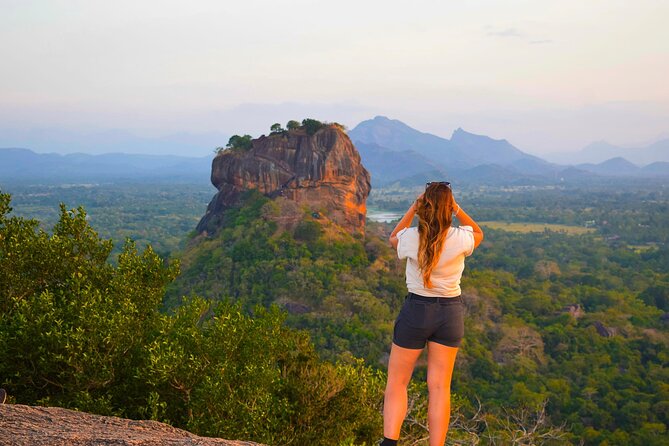
Sigiriya isn’t just a viewpoint. It’s a whole story in stone. The royal palace and capital were abandoned after the king’s death, and the rock was later used as a Buddhist monastery until the 14th century. That timeline is part of what makes it so striking. You’re looking at one place that can feel royal, then religious, then historical all at once.
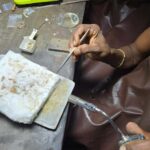
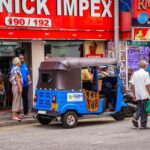
After you’ve done the rock fortress, you switch gears with the Sigiriya Craft Village stop. This is the part that often gets skipped on quick tours. You depart using a tuk tuk to reach the village, ride in an oxen cart through the village, and get guide-led time focused on daily life. The payoff is simple: you see how people live around the famous site, not only the site itself.
What to watch for: Sigiriya time is long enough that you’ll want good walking shoes. Also, this is early in the trip. If you’re jet-lagged, plan to pace yourself and save some energy for Day 2’s safari morning.
Minneriya Jeep Safari Morning: Birds First, Elephants as the Bonus
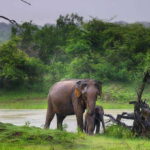
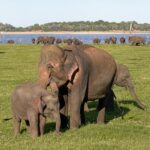
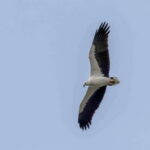
Day 2 keeps the momentum but changes the tempo. You start with a Minneriya Jeep Safari in the morning, specifically framed around wildlife viewing. The emphasis here is on birds: peacock, eagle, pelicans, parrots, crane, parakeet, owl, hornbill, and more.
That bird focus is not a small detail. It means you’re not gambling on seeing elephants every minute. You still get action in the canopy and along the landscape edges. You might see only about 20% elephants, but you get more consistent wildlife variety.
Later, the experience shifts into a more relaxed format with a Minneriya village safari. The standout is the idea of taking lunch in the forest with the views around you. It’s not just food. It’s a change in rhythm, and that matters when you’re doing a packed 10 days.
What to consider: Safari timing depends on animal movement and conditions, so keep expectations flexible. Think of the safari as a chance to read nature, not as a guaranteed checklist.
Polonnaruwa Ruins, Thirukoneswaram Kovil, and Pigeon Island’s Marine Time
Day 3 is built like a history-and-coast day, with three distinct flavors.
First up is Polonnaruwa, Sri Lanka’s second capital after Anuradhapura fell in 993. You’re walking through a mix of monumental ruins and the remnants of Brahmanic monuments built by the Cholas. Even if you don’t love reading walls of history, the scale lands. You can feel why capital cities were built where they were.
Next comes Thirukoneswaram Kovil, a well-known temple tied to traditional festivals, including the Ther chariot festival and events like Navaratri and Sivarathri. This is where timing and cultural context matter. If you visit during the relevant festival season, the temple’s role becomes more obvious. Even outside that window, it’s meaningful because it tells you how religion drives community rhythms.
Then you pivot to the sea with Pigeon Island National Park, a marine national park located about 1 km off Nilaveli in the Eastern Province. This is the day’s change of scenery: from ruins and temples to ocean life and coastal views.
What to watch for: Marine stops often mean more sun exposure and salt air. Bring something that protects you from the heat. If you’re prone to motion sickness, coastal time can be calm, but you might still want to be ready.
Trincomalee: Beach Calm and a WWII War Cemetery
Day 4 is an east-coast mood shift. You’ll spend time around Trincomalee Beach, known for an uninterrupted stretch of sand and clear blue waters along almost 30 kilometres, including the Uppuveli area. This is the kind of beach that feels made for slow walks and long pauses.
Next is Trincomalee War Cemetery, a British military cemetery linked to World War II, with graves of the British Empire and also Dutch and French soldiers. It’s not the kind of stop you do for fun, but it’s deeply human. Sri Lanka’s history connects to global history more than many first-timers expect.
How to make it click: On beach days, people rush. Don’t. Give yourself time to switch from sightseeing mode to reset mode. Then, when you hit the cemetery, you’ll be able to absorb it more calmly.
Dambulla Cave Monastery, Sacred Tooth Relic in Kandy, and the 5 pm Dance Show
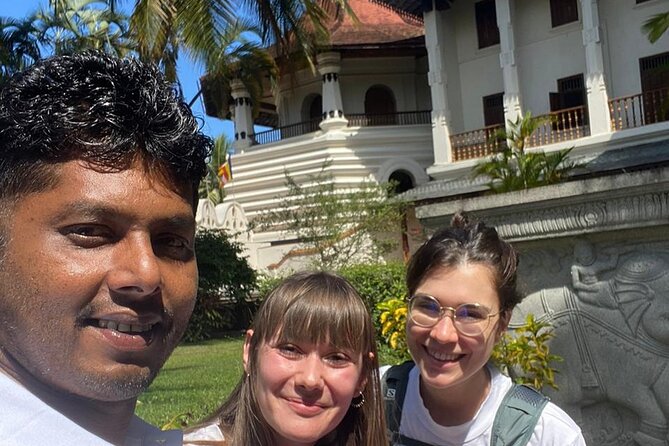
The Day 5 mix is pure Sri Lanka spirituality plus evening culture.
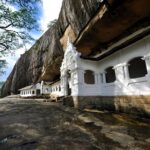
You start with the Golden Temple of Dambulla, a cave monastery complex with five sanctuaries. It’s described as the largest and best-preserved cave-temple set in the country, with Buddhist mural paintings across a big area. The big idea here is continuity: a sacred pilgrimage site that has been respected for centuries.
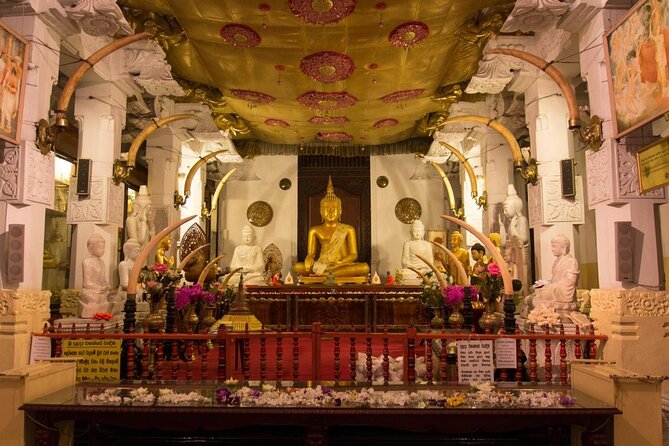
From there, you head to Temple of the Sacred Tooth Relic in Kandy, Sri Lanka’s former royal palace complex setting. This temple houses the relic of the tooth associated with Buddhism’s historical tradition. Even if you’ve never studied the story before, the temple’s importance is clear once you’re inside and see how it functions as a living religious center.
Then, in the evening, you catch the Kandy cultural dance show. The timing is fixed at 5:00 pm, and the show runs for one hour. I like this structure. You get a full day of sights, then a scheduled cultural moment that doesn’t spill into your whole night.
Consideration: Sacred sites often have rules around dress and entry. Keep your clothing practical for a mix of temple steps and evening seating.
Tea Country at Damro Labookellie, Ambuluwawa’s Multifaith Tower, and Ramboda Falls
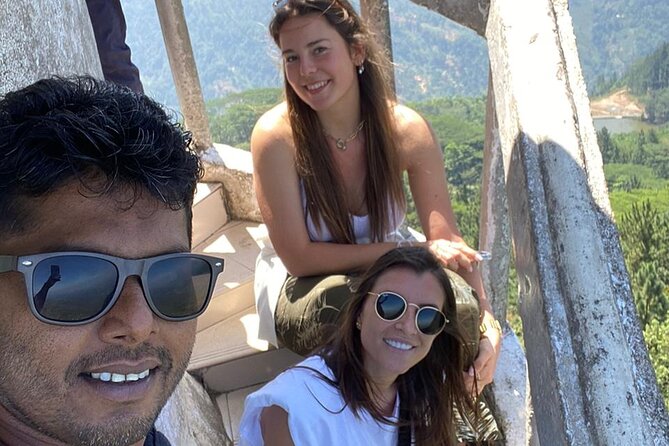
By Day 6, you’re in hill-country rhythms.
You visit Damro Labookellie Tea Centre and Tea Garden, described as the oldest tea centre in Sri Lanka, the former Mackwoods. If you only see tea plantations from a car window, you miss the real point. Here, you get a focused tea setting that helps you understand what you’re looking at later on the roads.
Next is Ambuluwawa Tower, a biodiversity complex and the first multi-religious shrine in Sri Lanka, with a temple, kovil, mosque, and church in the same complex. The idea is about coexistence and variety in one place, not just scenery.
Then you close with Ramboda Falls, a waterfall listed as 109 m high. It’s a straightforward “stand and watch” stop, and that’s a nice contrast after the walking involved at tea and tower.
What to watch for: Weather in the hills can change. If you’re carrying thin layers, bring them. Also, waterfalls mean mist and damp. Dry shoes are a luxury you’ll appreciate later.
Ella Rail Views: Nine Arches Bridge and Little Adam’s Peak

Day 7 goes full scenic.
You spend time in Ella, known for laid-back energy and hiking trails. It’s also tied to the famed Kandy–Ella train route, which helps explain why the town has such a rail and viewpoint reputation.
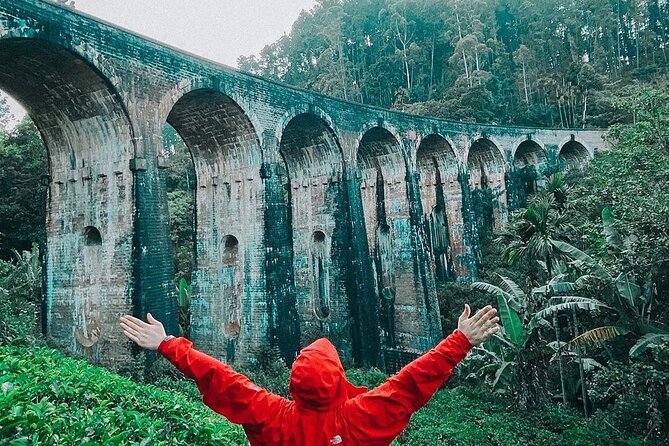
The highlight stop is Nine Arches Bridge, often called the bridge in the sky. It’s a colonial-era railway viaduct construction. The shape is what hits you first, then you start thinking about engineering and how people built this in the hill-country.
Then you head to Little Adam’s Peak View Point. It’s described as a moderately challenging route, with an average completion time of about 34 minutes. It’s popular, so you’ll likely meet other hikers on the way up.
My practical advice: Go early enough to avoid harsh light and heat, and don’t treat it like a race. Views are the goal. If you’re with friends who push, tell them to slow down. Better photos and safer footing.
Diyaluma Falls and Yala National Park: The Wildlife Day You’ll Remember
Day 8 is about waterfalls, then serious wildlife odds.
First is Diyaluma Falls, listed at 220 m high and described as the second highest waterfall in Sri Lanka. This is the kind of stop where you want to arrive with time to take it in, not just a quick glance. Waterfall sound changes how you think.
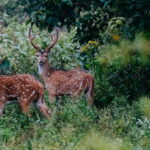
Then you move to Yala National Park. Here, the data is clear: Yala is home to 44 varieties of mammal and 215 bird species. It’s also famous for the world’s biggest concentration of leopards, and you can see elephants, sloth bears, sambars, jackals, and spotted deer.
How I suggest you mentally prepare: Wildlife is wildlife. Even with the best planning, sightings are not guaranteed on any day. What you can control is your attitude. If you treat it like a long nature watch rather than a demand for a specific animal, you’ll get way more enjoyment out of the time.
Galle Fort’s Portuguese Streets, Coconut Tree Hill Sunset, and a Coastal Finish
Day 9 brings you to the southwest coast with two very different moods.
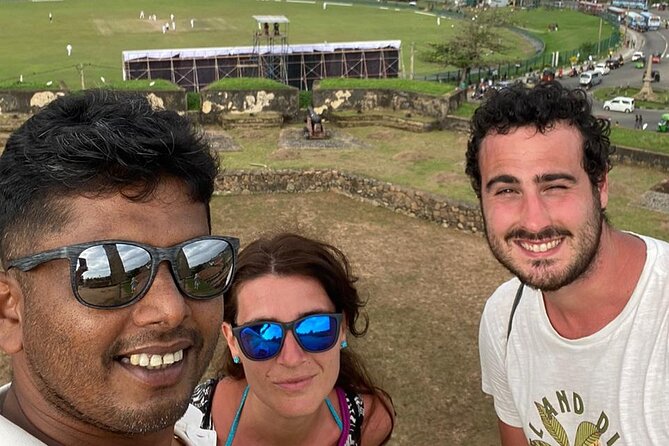
In Galle, you focus on the Galle Fort, a World Heritage Site known for Portuguese architectural buildings. Even if you love history, this isn’t only about museums. Fort areas reward slow strolling. You see how different cultures left layers, street by street and wall by wall.
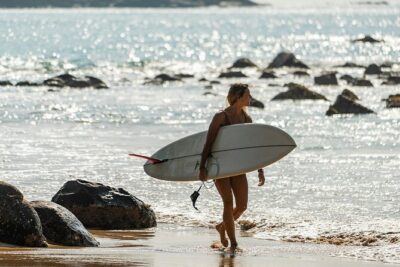
Then you head to Coconut Tree Hill for sunset time. The focus is simple: sea breeze, coconut trees, and photos. If you want one “easy win” moment where you don’t need to think too hard, this is it.
Practical note: Sunset spots are short by nature. Keep your phone charged and your schedule flexible so you don’t miss the light.
Madu River Safari with Fish Spa and Kosgoda Turtle Care
Day 10 is a feel-good close to the loop, and it has two stops that stand apart from the typical sightseeing pattern.
First is Madu River Safari by Buddhi. The river encircles nearly sixty-four islands, with only six inhabited. The safari passes through mangroves, and it’s also described as including fish spa. That fish spa element is something you should only do if you’re comfortable with the idea, since it’s a hands-on interaction.
Then you go to Kosgoda Turtle Care, a program aimed at protecting sea turtle eggs, increasing hatching rates, and treating disabled turtles. This is one of those stops that can stick with you long after the photos fade, because it connects tourism to conservation work.
Who this suits: If you’re traveling with kids, it’s a meaningful education stop. If you’re traveling as adults, it still feels worthwhile because it turns the end of the trip into something more than sightseeing.
Price and Logistics: Value, What You Pay For, and What You Still Need
This tour is priced at $651.44 per group (up to 2) for the full 10 days. That price can be a strong value if you compare it to piecing together a similar mix of major attractions plus a private guide and transport. You’re also getting breakfast included, and you can tell the plan is designed around major stops that are marked as ticket-included (like Sigiriya, Dambulla, the Sacred Tooth Relic, and key cultural and tea/tower stops).
A few costs are not included: hotel charges and a restroom on board. In other words, you’ll still pay for where you sleep, and you’ll want to plan restroom breaks during the day rather than assuming convenience inside the vehicle.
On timing, you’ll likely want to book with some margin. The average booking window is listed at 63 days in advance, and safaris plus popular cultural times tend to move quickly.
Should You Book This Tour with Sujeewa?
If you want a guided road trip that covers Sri Lanka’s big contrasts in just 10 days, this is a smart fit. I’d especially recommend it if you care about more than just checkboxes and you like the way a person with local relationships can smooth the day. The biggest proof is consistency around Sujeewa’s professionalism, safety focus, and caring guidance, plus a real backup plan using Sameera if there’s an issue with the car.
I’d hesitate only if you’re sensitive to long drives or you dislike days with multiple active stops. This route keeps moving, and it will ask you to walk, climb stairs at temple sites, and do short hikes.
If your budget allows hotels separately and you’re comfortable with a structured 10-day pace, I’d book. And since free cancellation is offered up to 24 hours in advance, you can still adjust if plans change.
FAQ
How much does the 10 Days Sri Lanka Tour with Sujeewa cost?
It costs $651.44 per group, up to 2 people.
How long is the tour?
The tour runs for 10 days (approx.).
What’s included in the price?
Breakfast is included, and some attraction admissions are listed as included while others are listed as free.
Does the tour include airport pickup?
Yes. You meet at Colombo Bandaranaike International Airport to begin the journey.
What’s not included?
Hotel charges are not included, and there is no restroom on board.
Is this tour private?
Yes. It’s a private tour/activity, and only your group participates.